Introduction
Athletic training is a beautiful kind of brutality. Whether you’re logging fifty miles a week on the pavement, pulling twice your bodyweight off the floor, or grinding through two-a-day practice sessions, your body is constantly being pushed to its structural limits. The athletes who consistently perform at the highest levels aren’t necessarily the ones with the most raw talent they’re the ones who have mastered the art of recovery.
“Deep tissue massage is not just about relaxation it’s about recovery, performance, and injury prevention for athletes. It is the secret weapon that separates good competitors from great ones.”
And yet, for all the obsession over protein timing, sleep optimization, and periodized training plans, soft tissue work remains criminally underutilized in most athletes’ recovery protocols. Deep tissue massage for athletes isn’t a luxury reserved for professional sports teams with six-figure training budgets.
What Is a Deep Tissue Massage?
Before understanding why it works so well for athletic recovery, it helps to understand what deep tissue massage actually is and more importantly, what it isn’t.
Deep tissue massage is a therapeutic technique that targets the deeper layers of muscle tissue, tendons, and fascia the connective tissue that surrounds and supports your muscles. It uses slow, deliberate strokes and sustained pressure to break down adhesions, release chronic tension patterns, and restore normal tissue mobility. The therapist works methodically through superficial layers to access structures that ordinary touch simply cannot reach.
This is fundamentally different from the experience you’d have on a spa table. A traditional Swedish massage the kind with warm lighting, gentle music, and feather-light effleurage strokes is designed primarily for relaxation and general circulation.
It serves a real purpose, but it isn’t treating the IT band that’s been pulling your knee out of alignment for three months. Deep tissue work is clinical by nature. It’s a conversation between a trained therapist and dysfunctional tissue, conducted in the language of targeted, intentional pressure.
The distinction matters because athletes sometimes dismiss massage as something passive or indulgent. Deep tissue massage is neither. It is active rehabilitation in the most literal sense.
The Science of Muscle Fatigue and Damage
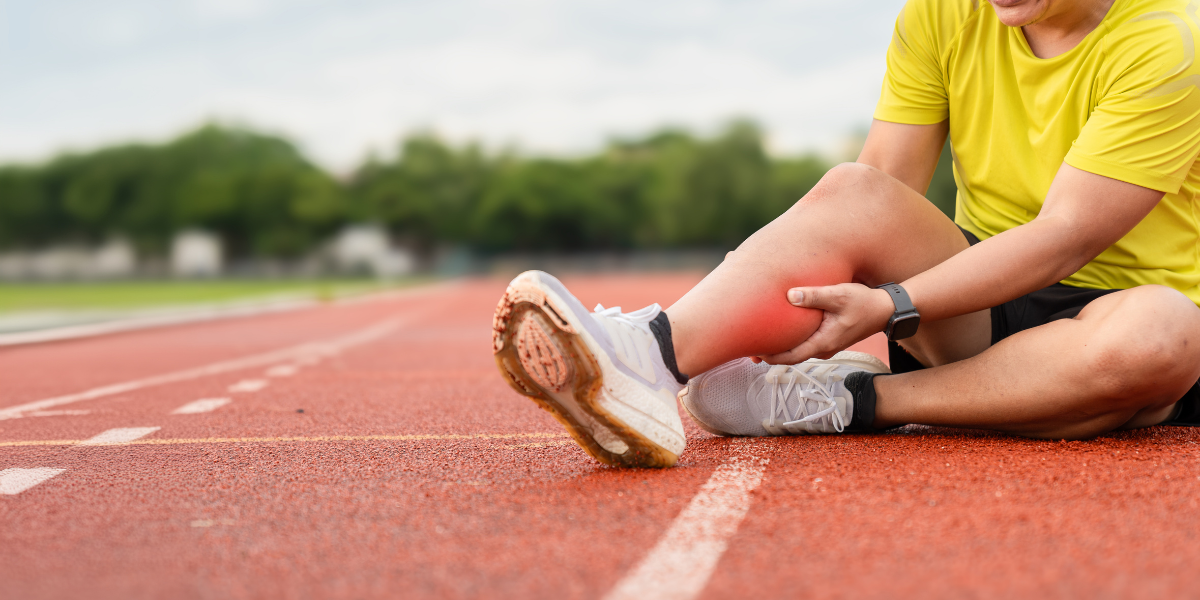
To appreciate how massage therapy for athletes creates such measurable improvements in recovery, you need to understand what actually happens inside a muscle during intense training.
Every hard workout creates microscopic tears in your muscle fibers. This isn’t a flaw in the system — it’s the mechanism of adaptation. Your body responds to those micro-tears by rebuilding the tissue slightly stronger than it was before. That’s the fundamental biology of athletic progression.
But the process creates significant metabolic byproducts. Lactic acid accumulates. Inflammatory cytokines flood the damaged tissue. Cellular debris needs to be cleared. And the nervous system, responding to this perceived threat, begins tightening the surrounding musculature as a protective response. The result is what most athletes simply call being “wrecked” after a hard session the deep aching fatigue that makes stairs feel like mountaineering.
Delayed Onset Muscle Soreness, the specific phenomenon that peaks 24 to 72 hours after intense exercise, is largely a product of this inflammatory cascade combined with neural sensitization of the damaged tissue. It’s the body doing exactly what it’s supposed to do but it costs you training days, degrades movement quality, and, if chronic, creates compensatory patterns that lead to injury.
“Training is nothing more than calculated structural damage. Your true athletic progress doesn’t happen when you lift the weight—it happens when your body repairs the tissue. Deep tissue massage is the ultimate catalyst for that repair.”
This is precisely where deep tissue massage enters the equation.
How Does Deep Tissue Massage Help Athletes Recover Faster?
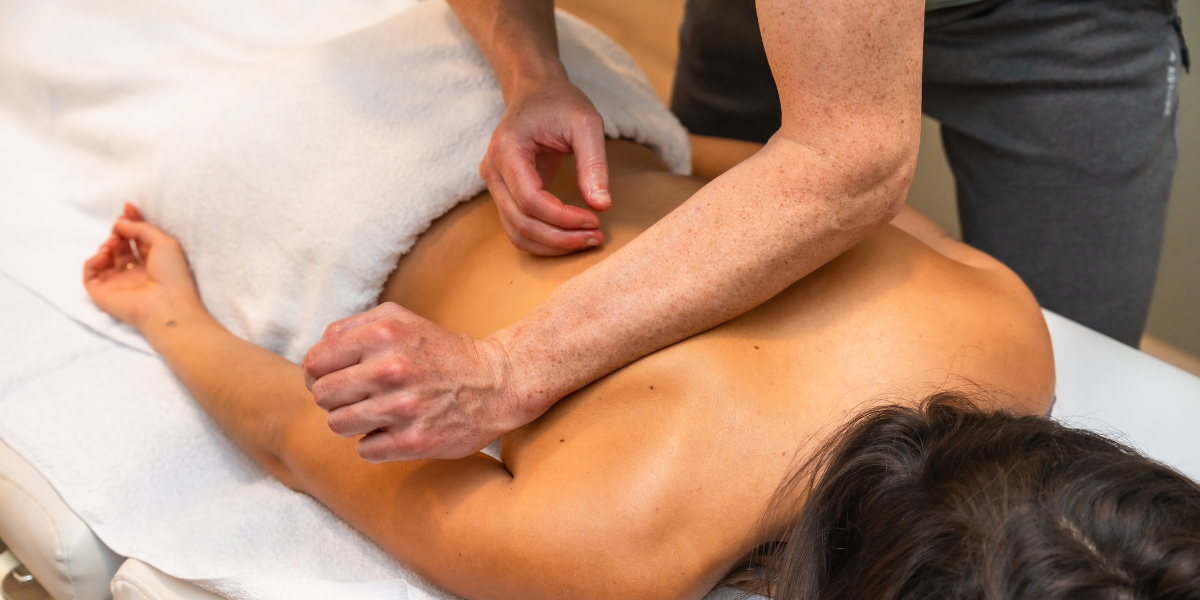
The best massage for athletes recovery operates through three distinct physiological mechanisms, each addressing a different aspect of the post-training recovery process.
Cellular Repair: The mechanical pressure applied during deep tissue work stimulates fibroblast activity the cellular process responsible for rebuilding damaged connective tissue. Research has consistently shown that massage accelerates the clearance of inflammatory markers from muscle tissue, shortening the window of soreness and accelerating the return to full training capacity.
Inflammation Reduction: Unlike pharmaceutical anti-inflammatories, which can actually blunt the adaptive response you’re training for, massage modulates inflammation rather than suppressing it wholesale. It helps move fluid out of congested areas and supports the lymphatic system in clearing cellular waste, reducing the chronic low-grade inflammation that accumulates over a training season.
Oxygen and Nutrient Delivery: Tight, compressed muscle tissue has reduced blood flow. When circulation is compromised, the very nutrients your muscles need to rebuild oxygen, glucose, and amino acids can’t reach the cells that need them most. Deep tissue work physically opens those pathways.
Need a Fast Post-Workout Reset? > Don’t let lactic acid and tight fascia dictate tomorrow’s performance.
Book our 45 Min Express Recovery Session for . It’s the perfect, highly targeted intervention to flush out your most fatigued muscles before the tension has a chance to set in.
Deep Tissue Massage for Muscle Pain and Stiffness Relief

One of the most dangerous habits athletes develop is normalizing pain. The culture of sport rewards toughness, and somewhere along the way, that ethos gets misapplied to chronic muscular dysfunction. “It’s just tight” becomes the explanation for a range of symptoms that, left unaddressed, eventually sideline you entirely.
Muscle tension relief through deep tissue massage works in large part through the treatment of trigger points, hyperirritable spots within a muscle fiber that create both local pain and referred pain patterns in distant areas. A trigger point in your piriformis, for example, can send pain radiating down your leg in a pattern nearly indistinguishable from sciatica. A trigger point in your subscapularis can create anterior shoulder pain that mimics rotator cuff pathology.
A skilled deep tissue massage specialist can identify these points through palpation and apply sustained, targeted compression that interrupts the pain-spasm cycle and allows the tissue to release. The relief is often profound and immediate and completely drug-free. For athletes who spend significant portions of their training year managing chronic soreness, this approach to deep tissue massage helps is often revelatory.
The Vital Role of Improved Circulation in Muscle Recovery
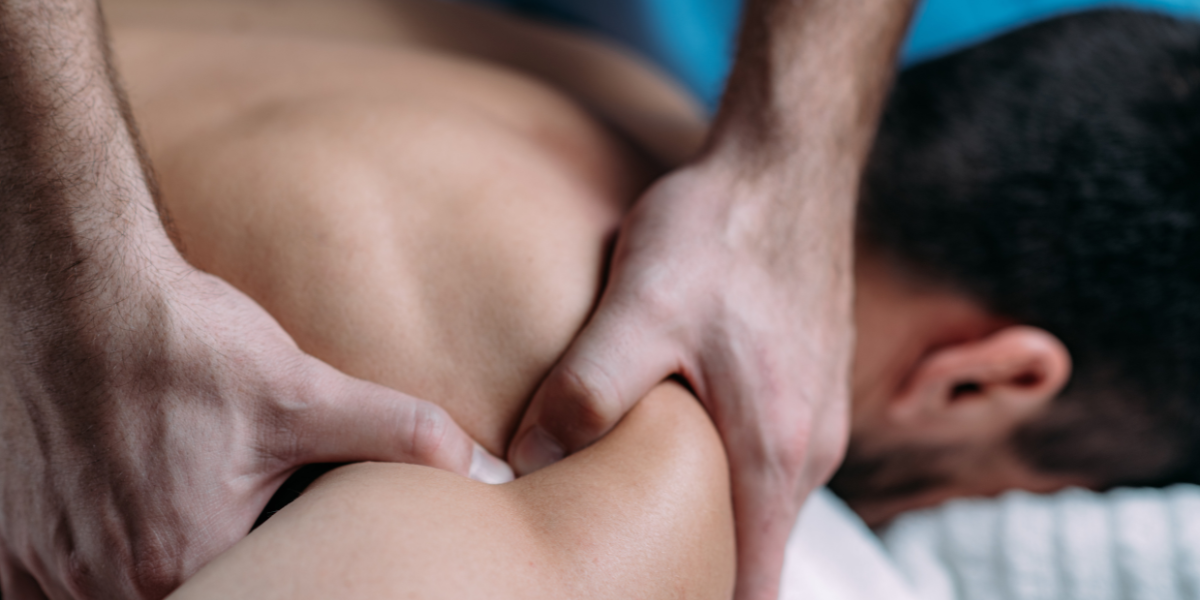
Circulation is the logistics network of athletic recovery, and deep tissue massage is one of the most effective tools available for optimizing it. Understanding the circulatory benefit is easiest through a three-part framework:
The Flush: Deep, directional strokes applied toward the heart accelerate venous return the flow of deoxygenated blood and metabolic waste products back out of the working muscles. This is why post-exercise massage consistently reduces the measurable presence of inflammatory markers in the bloodstream.
The Rush: The pressure and release of deep tissue techniques triggers local vasodilation the widening of blood vessels in the treated area. This increases overall blood flow to tissue that may have been chronically restricted due to tension and compression.
The Nourishment: With improved arterial flow comes improved delivery of everything your muscles need to repair and rebuild. Nutrients arrive faster. Oxygen saturation in the tissue improves. The healing process accelerates measurably.
This is a massage for muscle recovery at its most mechanistic not relaxation theater, but actual physiological intervention in the tissue repair process.
Proactive vs. Reactive Recovery: How Deep Tissue Massage Prevents Injury
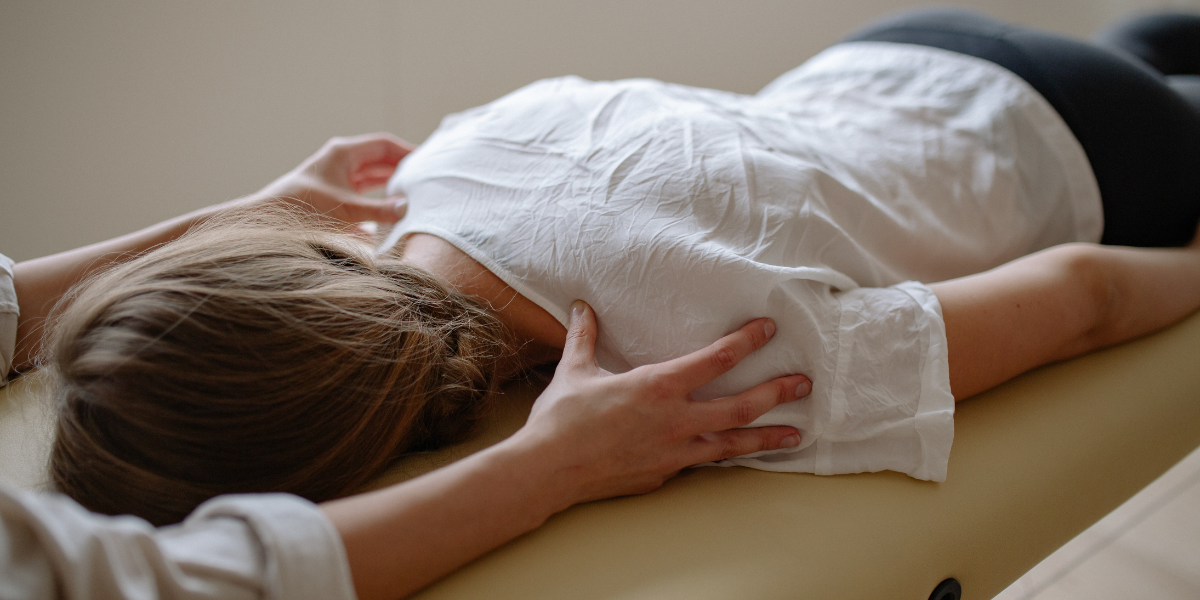
Most athletes come in for their first deep tissue massage center visit because something hurts. They’ve finally reached the threshold where ignoring the problem is no longer an option. This reactive approach to bodywork is understandable but it’s also leaving significant value on the table.
The more sophisticated application of sports massage for injury prevention is proactive. Regular sessions before the pain arrives allow a therapist to identify developing imbalances in tissue quality and muscle tone before they become structural problems.
An area of chronic tightness that hasn’t yet produced symptoms is far easier to address than one that has already altered your movement patterns and created compensatory dysfunction up and down the kinetic chain.
“The greatest threat to an athlete isn’t the competition; it’s the bench. Routine bodywork is the ultimate insurance policy. It fixes the whisper of a muscle imbalance today so you don’t have to hear it scream as a torn ligament tomorrow.”
Think of it as maintenance rather than repair. You change the oil in your car before the engine seizes, not after.
Deep Tissue Massage for Flexibility and Joint Health
Flexibility isn’t just about muscle length it’s about the quality of the connective tissue that surrounds and invests through every muscle in your body. Fascia, when healthy, is supple and hydrated. Under chronic mechanical stress, it becomes dehydrated, dense, and restrictive. It develops adhesions areas where fascial layers that should glide freely against one another become stuck together.
Deep tissue massage for flexibility works by mechanically disrupting these adhesions and restoring the gliding capacity of fascial planes. The result is an expansion of active range of motion that passive stretching alone cannot reliably produce, because stretching addresses muscle extensibility without necessarily resolving the fascial restrictions that are limiting movement.
At the joint level, the increased circulation and reduction in compressive forces also supports synovial fluid production the joint’s internal lubrication system. Hips, knees, and shoulders that have felt persistently “crunchy” or restricted frequently respond well to consistent deep tissue work targeting the musculature surrounding those joints.
Train Hard, Recover Together. > Do you have a dedicated training partner or spouse who grinds just as hard as you do?
Share the ultimate recovery tool with our 60 Min Double Deal (4Hands Dream Massage) (Now $209.42). It’s a comprehensive, shared investment in your athletic longevity.
Specialized Approaches for Different Types of Athletes
The best deep tissue massage for sports recovery is one that’s tailored to the specific demands of your sport and the characteristic failure points of your movement patterns.
Runners and Cyclists accumulate the majority of their dysfunction in the lower extremity chain. The IT band, perpetually overworked in repetitive single-leg loading, develops the kind of lateral thigh tension that resists everything except direct, skilled manual work. The piriformis a deep external hip rotator that serves as a stabilizer in the gait cycle frequently becomes chronically shortened. Hamstring work, particularly at the proximal attachment near the sitting bones, addresses the posterior chain tightness that limits stride length and contributes to low back pain.
Weightlifters and CrossFit Athletes need concentrated attention to the erector spinae and quadratus lumborum the deep spinal extensors that bear enormous compressive load under heavy barbell work. The latissimus dorsi, one of the largest muscles in the body, often develops significant restriction that limits overhead mobility and contributes to shoulder impingement. Glute work is essential for maintaining hip extension strength and preventing the low back from picking up the slack during heavy pulling movements.
Swimmers and Overhead Athletes present with a predictable pattern of anterior dominance the pectoralis minor in particular becomes chronically shortened, pulling the scapula forward and down into a position that creates impingement risk for the rotator cuff. Scapular stabilizer work, combined with thoracic spine mobility, addresses the postural foundation that overhead mechanics depend upon.
What to Expect: Does a Deep Tissue Massage Hurt?
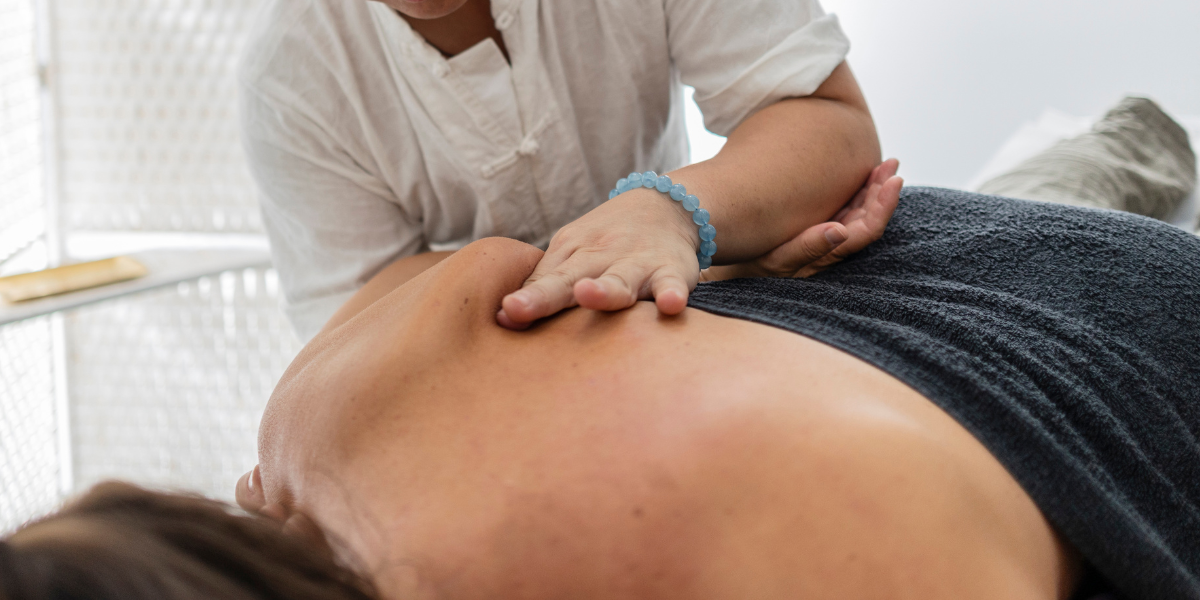
This is the question that keeps many athletes from booking their first session, and it deserves a direct answer.
Deep tissue massage involves therapeutic discomfort. There is a difference important and categorical between the productive sensation of pressure being applied to restricted tissue, and the sharp, shooting quality of nerve pain.
The first is expected and appropriate. The second is a signal to communicate with your therapist immediately.
Good pain feels like a “hurts so good” pressure that the tissue seems to want and respond to. Bad pain feels electric, sharp, or refers in unusual patterns. A skilled therapist will continually monitor your response and adjust accordingly.
Here’s what a typical session looks like:
Consultation: Your therapist will ask about your training schedule, current complaints, previous injuries, and your goals for the session. This isn’t small talk — it’s clinical intake.
Assessment: The therapist will observe your posture and may ask you to perform a few basic movements to identify areas of restriction and asymmetry.
The Work: Beginning with the superficial layers and progressively accessing deeper tissue, your therapist will work systematically through the targeted areas. Communication is essential throughout.
The Aftermath: You may feel some soreness in the 24 to 48 hours following a deep tissue session similar in character to DOMS. Hydration accelerates recovery from this. Within 48 hours, most athletes report feeling substantially better than they did before the session.
Read More -> Does Deep Tissue Massage Hurts
Conclusion
Elite athletic performance isn’t built only in the gym. It’s built in the hours and days between training sessions in how intentionally and effectively you support your body’s capacity to recover, adapt, and return stronger.
Deep tissue massage for athletes isn’t a reward for working hard. It’s a component of working hard intelligently. Every hour of accumulated tension that you carry into your next training session is a ceiling on what that session can produce. Every imbalance that goes unaddressed is a future injury waiting for a moment of vulnerability to announce itself.
Stop letting muscle tension dictate your training ceiling. The athletes who are available to train consistently, who move with integrity across a full range of motion, and who manage the cumulative stress of a training season without breaking down those are the athletes who improve over the long arc of a career.
Your body is your instrument. Treat it accordingly.
Visit Massage Parlor Honolulu today and invest in the recovery your training deserves.
Frequently Asked Questions
Should athletes get deep tissue massage?
Absolutely. Deep tissue massage directly addresses the muscular and fascial changes that result from intense training — accelerating recovery, reducing injury risk, and improving movement quality. It’s not a supplement to an athletic recovery program; for serious athletes, it’s a cornerstone of one.
What type of massage is best for athletes?
Deep tissue massage is generally considered the gold standard for athletic recovery due to its ability to access and treat deeper musculature and connective tissue. Sports massage which incorporates similar techniques within a framework specifically designed around athletic demands — is equally valuable, particularly in the days surrounding competition.
Should I get a deep tissue massage or a sports massage?
Think of Swedish vs deep tissue massage as the foundational comparison relaxation versus rehabilitation. Sports massage and deep tissue massage are closely related, with sports massage being more periodized around training cycles (pre-event, post-event, maintenance). For general recovery and injury prevention, deep tissue work is typically the most appropriate choice.
Who should avoid deep tissue massage?
Individuals with active blood clots, bleeding disorders, open wounds, skin infections, osteoporosis, or those who are pregnant should consult a physician before receiving deep tissue work. Anyone currently taking blood-thinning medications should also discuss massage with their doctor first.
What muscles should not be massaged?
Direct pressure over the anterior neck (carotid triangle), the popliteal space behind the knee, and the axillary region should be avoided or handled with extreme care. Additionally, inflamed, acutely injured, or recently operated tissue should not receive direct deep tissue work until healing is sufficiently advanced.
What kind of massage for athletes?
The best massage for athletes depends on timing and goal. Deep tissue massage is ideal for maintenance and recovery during training blocks. Sports massage is structured around performance cycles. For acute post-event soreness, lighter lymphatic and circulatory techniques may be most appropriate before deeper work is introduced. A qualified deep tissue massage specialist can help you determine the right approach for your specific situation.