Introduction: The Hidden Detoxification Power of Touch
Most people book a massage to relax tight muscles or escape the noise of a busy week. But the most profound healing that happens during your session isn’t something you can feel in the moment it’s happening on a microscopic level, deep within your tissues, your lymph nodes, and your bloodstream.
A massage is not just a luxury. It is a full-body detox.
“A massage doesn’t just relax your muscles; it acts as a manual reset button for your body’s internal filtration system, actively pushing out the physical and chemical debris that no longer serves you.”
Every stroke, every press, every deliberate movement is working to dislodge what has built up the metabolic waste, the stress hormones, the stagnant fluids sitting in tired tissue.
Understanding what toxins are released after a massage and why that matters for your long-term health transforms how you think about bodywork entirely. It isn’t an indulgence. It is maintenance.
What Exactly Happens to Your Body During a Massage?
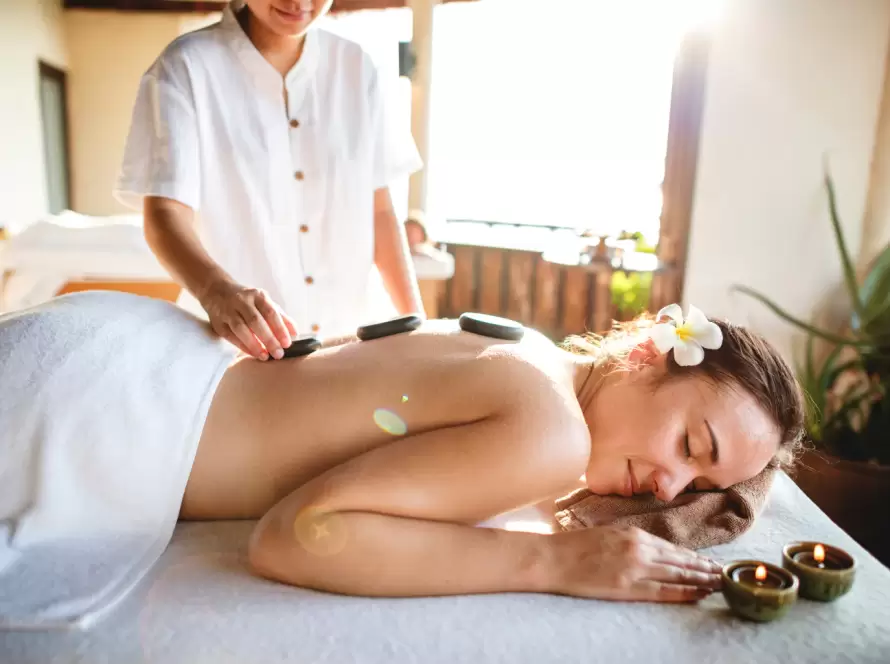
When a skilled therapist applies pressure to your muscles and fascia, the effect goes far beyond surface relaxation. The mechanical force being used creates what physiologists describe as a “sponge effect.” Imagine squeezing a saturated sponge the old, stagnant fluid is pushed out, and when the pressure releases, fresh fluid rushes back in to fill the space.
Your muscles work exactly the same way. Tight, overworked tissue tends to trap blood, interstitial fluid, and metabolic byproducts in a kind of biological gridlock. Massage for better circulation breaks up this gridlock. It compresses and releases the tissue repeatedly, stimulating blood flow, encouraging oxygen delivery, and critically moving waste products toward the organs responsible for filtering them out of the body.
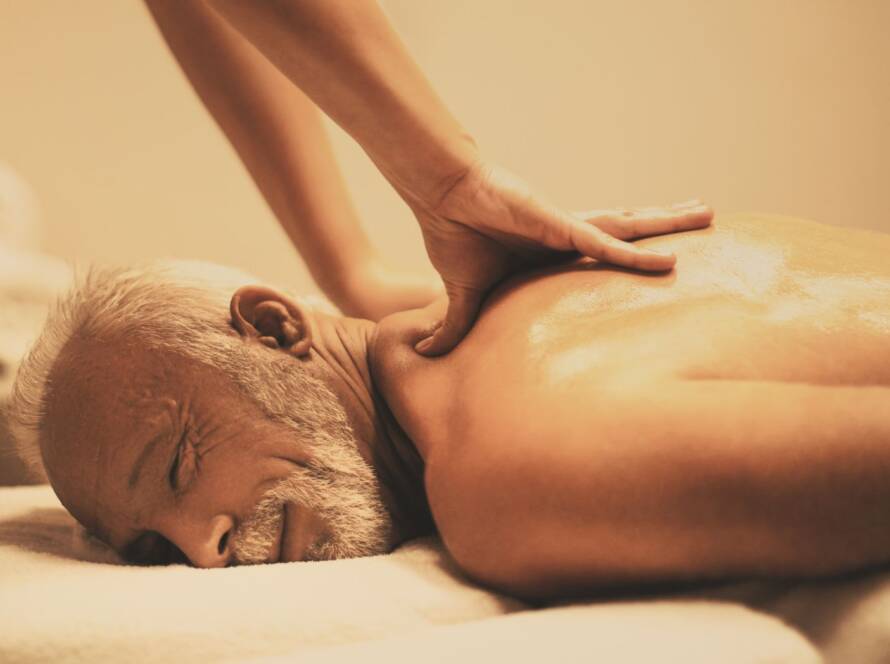
The fascia, the connective web that wraps every muscle and organ, responds to sustained pressure by softening and releasing adhesions areas where tissue has essentially stuck together due to inflammation or chronic tension. When those adhesions break up, everything trapped within them gets released into circulation. That is where massage detoxification truly begins.
What Toxins Are Released After a Massage?
This is the question most people ask after they leave a session feeling unexpectedly drained or sore. The answer is more specific than most people realize. Here is a breakdown of the primary waste compounds mobilized during bodywork:
Lactic Acid
This is perhaps the most well-known culprit in post-exercise soreness, and massage is uniquely effective at releasing it. When muscles work hard and don’t receive enough oxygen, they produce lactic acid as a metabolic byproduct. It accumulates in the tissue and contributes to that familiar burning, achy sensation. Massage for muscle recovery and toxin release works precisely because it flushes this acid out of the muscle fibers and back into general circulation, where it can be converted and eliminated.
Cortisol
Chronic stress doesn’t just affect your mood; it physically embeds itself in your tissue. Cortisol, the body’s primary stress hormone, builds up in elevated concentrations in people experiencing prolonged psychological or physical stress. Multiple studies have shown that massage therapy measurably reduces cortisol levels in the bloodstream not by suppressing its production, but by helping the body process and eliminate what has already accumulated.
Cellular Debris
Every living cell produces waste as part of normal metabolism. Carbon dioxide, damaged protein fragments, and other byproducts of cellular activity need to be removed continuously. In areas of restricted circulation or chronic tension, this debris accumulates faster than it can be cleared. Massage physically dislodges it and moves it toward the lymphatic and circulatory systems for disposal.
Inflammatory Cytokines
These are chemical messengers produced during inflammation. While short-term inflammation is a healing response, chronically inflamed tissue generates an ongoing flood of cytokines that can contribute to pain and immune disruption. Bodywork helps normalize this chemical environment by improving drainage from inflamed areas.
Histamines and Prostaglandins
Released from damaged or overworked cells, these compounds contribute to localized pain and swelling. Mobilizing them through massage allows the body to neutralize them more efficiently.
How Massage Stimulates the Lymphatic System
Here is something most people never learn about their own bodies: unlike the circulatory system, which has the heart to push blood through miles of vessels, the lymphatic system has no pump. It moves entirely through physical movement, muscle contraction, and — crucially — external manipulation.
Your lymphatic system is a parallel network of vessels carrying lymph fluid, a clear substance that collects toxins, pathogens, and cellular waste from the spaces between your cells. It transports this waste to lymph nodes, where it is filtered, and eventually returns the cleaned fluid to the bloodstream. When you are sedentary, stressed, or chronically tense, lymph can stagnate. The toxins it should be carrying simply sit there.
“Think of your lymphatic system as your body’s internal plumbing. When stress and tension create a blockage, massage therapy acts as the vital pump to get everything flowing freely again.”
Detoxing through massage therapy works by providing that missing pump action. The rhythmic compression and release of soft tissue physically moves lymph fluid through its vessels, clears congestion from lymph nodes, and re-establishes the flow that keeps your immune system functioning at its best. This is why people who receive regular massage tend to get sick less frequently they are maintaining a system that most people allow to stagnate.
Which Massage Styles Are Best for Toxin Removal?
Not all massage is created equal when it comes to detoxification. Different modalities target the process in different ways, and choosing the right one depends on your specific needs.
Lymphatic Drainage Massage is the gold standard for targeted fluid movement. Using extremely light, rhythmic strokes that follow the pathways of the lymphatic system, this technique is specifically designed to decongest lymph nodes and encourage the flow of lymph fluid. It is the gentlest option, making it ideal for people new to detox-focused bodywork, those recovering from illness, or anyone dealing with puffiness and fluid retention.
Deep Tissue Massage for Detox takes a more aggressive approach, using sustained pressure to reach the deeper layers of muscle where lactic acid and cellular debris become most entrenched. The hardened knots you feel in a chronically tense muscle — known as trigger points — are essentially pockets of accumulated waste surrounded by restricted tissue. Deep tissue work breaks these up physically, releasing everything trapped inside them. This is the most effective option for people with significant muscle tension, athletic recovery needs, or long-standing chronic pain.
Shiatsu Massage for Toxin Removal operates on a different philosophy altogether. Rooted in traditional Japanese medicine, Shiatsu applies rhythmic pressure to specific points along the body’s meridian pathways — channels believed to govern the flow of vital energy to organs and systems. From a modern physiological perspective, the sustained pressure applied along these meridians stimulates the organs directly involved in detoxification, particularly the liver and kidneys. By activating these pathways, Shiatsu supports the body’s ability to process and eliminate the toxins that other massage styles mobilize.
The “Massage Hangover”: Understanding Detox Side Effects
You booked a massage to feel better. So why do you feel slightly worse the next morning?
This is called the “Healing Crisis,” and it is a well-documented response to deep bodywork. When a significant volume of metabolic waste is released from the tissues all at once, it floods the bloodstream faster than the kidneys and liver can immediately process it. The result is a temporary state of systemic overload — and you feel it as tiredness after massage, mild headache, a runny nose, or a faint sense of nausea.
This is not a sign that something went wrong. It is a sign that something went very right.
The toxins that are causing those symptoms were previously sitting in your tissues, contributing to chronic tension, inflammation, and fatigue on a low-grade, constant basis. Now they are in transit. Your body is processing them. Within 24 to 48 hours, provided you support the process with adequate hydration and rest, those symptoms pass and leave you feeling genuinely lighter.
Need Quick Relief? Try Our Massage Service!
Short on time but desperately need to release some tension? We offer a perfect introductory session to get you back on your feet during a busy workday.
Shiatsu Massage (No Oil) Quick Session: Just $31.41 for 15 Minutes. > Ideal for a lunchtime reset or targeted relief for a stiff neck.
Post-Massage Care: Why Hydration Is Non-Negotiable
Post-massage care is not an afterthought. It is the completion of your treatment.
When your therapist finishes working, the toxins that have been dislodged from your tissue are circulating in your bloodstream, waiting to be filtered by your kidneys and liver. Those organs need water to do their job. Without adequate hydration, the process stalls. The waste that was successfully mobilized simply reabsorbs into the surrounding tissue — and you wake up sore, heavy, and confused about why you feel worse after spending money to feel better.
“Drinking water after a massage isn’t just a polite suggestion – it is the essential final step of your treatment. We have pushed the debris into your bloodstream; now you have to flush it out, or it will simply resettle in your muscles.”
Post-massage hydration for toxin removal means drinking at a minimum of two to three large glasses of water in the hours immediately following your session, and continuing to hydrate well through the rest of the day. Avoid alcohol for at least 12 hours it competes with your liver’s detox capacity and dramatically slows elimination. Light, easily digestible food supports the process; heavy meals divert energy away from detoxification.
Read More -> Post Massage Care Tips
Support Your Body’s Natural Detox Journey
Your body was designed to detoxify itself. The lymphatic system, the kidneys, the liver they are sophisticated, elegant systems built for exactly this purpose. But they were not designed for the sedentary lives, chronic stress, and accumulated tension that characterize modern living. Massage detoxification is not a trend or a wellness gimmick. It is the manual support these systems need to function as they were meant to.
Do not wait for chronic pain to become your normal. Do not allow metabolic waste to build up until it is causing inflammation, immune suppression, and persistent fatigue. Regular bodywork whether monthly, bi-weekly, or weekly depending on your lifestyle — is one of the most evidence-backed things you can do to maintain the kind of internal environment where you genuinely feel well.
Book Your Detoxifying Massage at Shiatsu Massage Center Waikīkī
Ready to reset? At Shiatsu Massage Center Hawaii, every session is designed with your body’s natural detox pathways in mind. Whether you are looking for a targeted deep tissue session to address chronic muscle tension or a gentle lymphatic treatment to ease you into the process, the therapists here bring both technical knowledge and genuine care to every session.
Frequently Asked Questions
How do you know when toxins are leaving your body?
Common signs include increased urination, mild fatigue, slight muscle soreness, a runny nose, or temporary skin flushing in the hours after a massage. These are all indicators that your lymphatic and circulatory systems are actively processing and eliminating waste. The symptoms are typically mild and resolve within 24–48 hours with proper hydration.
What chemical is released when you get a massage?
Several key compounds are mobilized, including lactic acid, cortisol, cellular debris, inflammatory cytokines, and histamines. Simultaneously, the body increases production of serotonin and dopamine — the neurochemicals associated with wellbeing — while measurably reducing circulating cortisol levels.
How do I flush toxins out of my body after a massage?
Drink plenty of water immediately after your session and continue hydrating throughout the day. Avoid alcohol, eat lightly, and if possible, take a gentle walk to support lymphatic flow. Rest is equally important — your body does significant processing work during sleep.
What are three signs you need to detox?
Persistent fatigue that sleep doesn’t resolve, chronic muscle tension or unexplained soreness, and frequent illness or slow recovery from sickness are three of the clearest signals that your body’s detox systems are overwhelmed and would benefit from therapeutic support.
What to avoid after a full body massage?
Avoid alcohol, strenuous exercise, heavy meals, and prolonged sun exposure for at least 12 hours following your session. All of these place additional metabolic demands on a body that is already working hard to process and eliminate the waste released during your treatment.