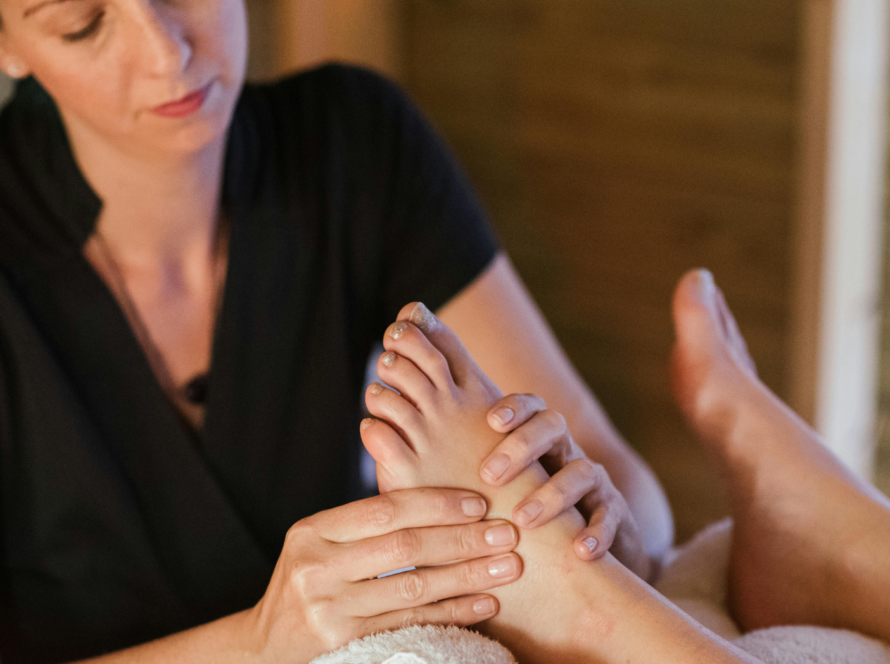
Introduction: The Checkout Counter Confusion
You know the feeling. You just floated off a massage table after an hour of pure bliss. Your muscles are loose, your mind is quiet, and your whole body feels like it got a factory reset. Life is good.
Then you walk up to the front desk, and suddenly your relaxed brain has to do math.
How much to tip a massage therapist? Is it like a restaurant? More? Less? Do you tip at all? You are standing there with your credit card in hand, trying not to look clueless, while the receptionist smiles at you patiently.
If this sounds familiar, you are not alone. It is one of the most commonly searched questions in the wellness world, and honestly, the confusion makes sense. Tipping norms differ depending on the setting, the type of massage, and even where you live. But the core principle is straightforward: tipping your massage therapist is a customary and meaningful way to show gratitude for a highly physical, deeply personalized service that directly improves your well-being.
Let us break it all down so the next time you finish a session, you can walk up to that counter with total confidence.
The Short Answer: What Is the Standard Tip?
Because you came here for a clear answer, here it is right away.
In the United States and across North America, the widely accepted standard tip for a massage therapist falls between 15% and 20% of the total service cost. That is the general rule of thumb across the industry, and most therapists consider a 20% tip the norm for a satisfying session.
Here is a quick cheat sheet to keep things simple:
-
Good, solid service: 15% is a respectful amount.
-
Excellent service (The Standard): 20% is the sweet spot most people aim for.
-
Exceptional service: 25% or more is a generous and deeply appreciated gesture for a therapist who went above and beyond.
For example: If you paid $100 for an hour-long deep tissue massage, a tip between $15 and $20 is perfectly appropriate. If the therapist truly changed the way your body feels, $25 speaks volumes.
The “Why”: Rewarding the Hard Work of Healing
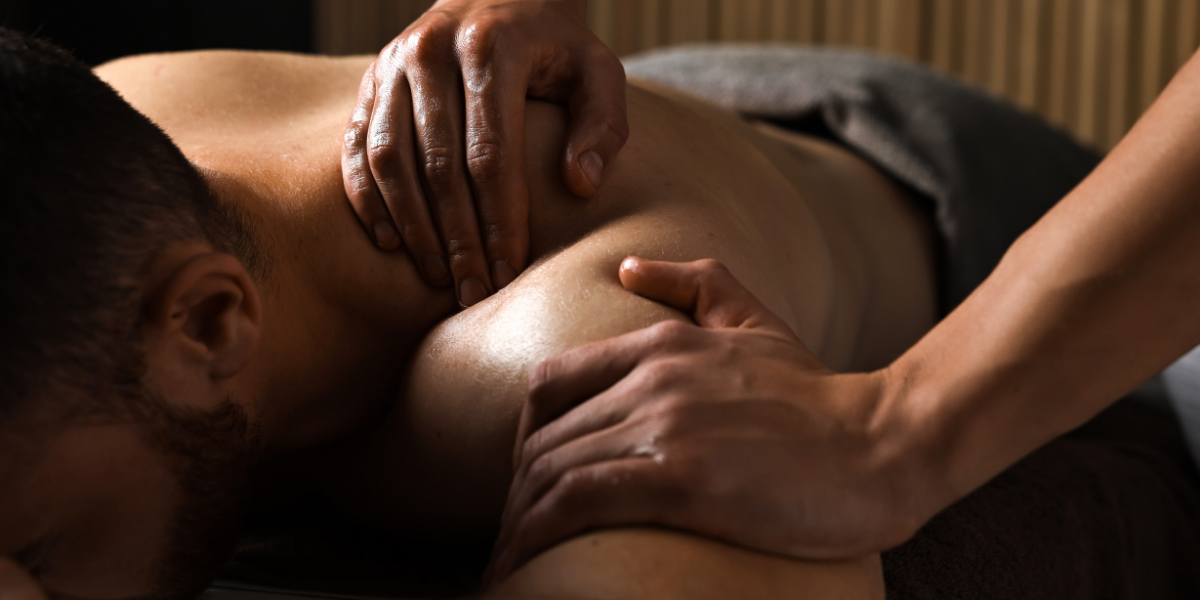
Now that you have the number, let us talk about the reason behind it. Massage therapy is not a passive job. It is not someone pressing a few buttons and letting a machine do the work.
The Physical Toll It is deeply physical, demanding labor that takes a real toll on the body over time. Therapists use their hands, wrists, forearms, elbows, and their full core strength to knead out your tension, work through stubborn knots, relieve chronic pain, and help reset your nervous system. A single session can leave a therapist physically drained, especially when they are performing multiple sessions in a day.
The Mental Focus Beyond the physical effort, there is also a level of care and intuition involved. A skilled massage therapist reads your body. They adjust pressure in real time, identify problem areas you did not even know you had, and tailor every session to what your muscles need in that moment. That kind of personalized attention is a craft that takes years of training and ongoing education.
When you visit a dedicated clinic that provides truly exceptional service like the practitioners at Shiatsu Massage Center in Honolulu the therapists pour their physical and healing energy into your relaxation. Whether you are experiencing a traditional Shiatsu massage, a sports massage after a long hike around Waikiki, or a Hawaiian-inspired relaxation massage, the level of effort behind the scenes is enormous. A tip is the best way to acknowledge that hard work and say a direct “thank you” for the relief they provided.
Think of it this way: your therapist just spent an hour making your body feel better using nothing but their own body. That kind of service deserves recognition.
When Should You Tip More? The 20%-Plus Zone
There are certain situations where going above the standard 20% is not just generous it is the right thing to do.
Physically demanding modalities like deep tissue massage, Shiatsu massage, or sports massage require significantly more exertion and clinical knowledge from the therapist. These are not gentle, flowing strokes. They involve sustained, targeted pressure that challenges the therapist’s body as much as it helps yours. If your therapist spent the session grinding out deep adhesions in your back or carefully working through layers of tight fascia, a tip closer to 25% reflects the extra effort involved.
Heavy customization is another reason to tip more generously. Maybe you came in with a specific complaint—a brutal knot between your shoulder blades, chronic lower back pain, or tension headaches that have been plaguing you for weeks. If the therapist adapted the entire session around your needs, spent extra focus on your problem areas, and gave you aftercare advice for post-massage care, that level of attention deserves recognition beyond the base rate.
Going over time is perhaps the most telling sign of a therapist who genuinely cares. If your 60-minute session quietly stretched to 65 or 70 minutes because the therapist wanted to fully release that stubborn muscle rather than stopping mid-work, that extra time came directly from their schedule and their energy. A higher tip is the perfect way to honor that generosity.
Are There Times You Should Not Tip?
Yes, and it is important to know about these exceptions so you do not feel awkward in situations where a tip is not expected.
-
Medical Settings: Tipping is generally not the norm and is sometimes actively discouraged or prohibited. If your massage is being performed in a physical therapy office, a chiropractor’s clinic, or is billed through your health insurance, the therapist is functioning in a medical capacity. A tip is not expected.
-
All-Inclusive Spas and Resorts: Especially at luxury properties in places like Hawaii, the gratuity is often already built into your bill. Many high-end resorts automatically add an 18% to 20% “service charge.” Always check your receipt carefully. If it is already there, you are covered.
Tip: If you are ever unsure about whether to tip in a particular setting, simply ask the front desk. There is no shame in the question!
What If You Cannot Afford to Tip?
Let us be honest: massages are an investment, and sometimes your budget is stretched to its limit just paying for the session itself. If tipping is genuinely beyond what you can manage, there are still highly meaningful ways to show your appreciation:
-
Express Verbal Gratitude: Tell the therapist directly how much the session meant to you. Specific compliments go a long way (“That work you did on my shoulders made a huge difference”).
-
Leave a Positive Online Review: In today’s world, a glowing review on Google or Yelp is incredibly valuable for a therapist’s career. Take five minutes when you get home and write something honest and specific.
-
Become a Repeat Client: Nothing supports a massage therapist’s livelihood more consistently than a loyal customer. Consistency is a form of appreciation all on its own.
-
Refer Friends and Family: Word-of-mouth recommendations are the lifeblood of the wellness industry. That referral might be worth more than any single tip.
Tipping Alternatives Worth Considering
Beyond the traditional cash or card tip, there are a few creative ways people show their gratitude. Some clients bring small gifts, especially around the holidays things like quality hand cream, essential oils, or gift cards to a local coffee shop. These thoughtful gestures show you see your therapist as a person, not just a service provider.
Writing a heartfelt thank-you note is another underrated option. In a world of quick digital transactions, a handwritten note can genuinely make someone’s day. You might also consider tipping extra during the holiday season, similar to how many people tip their hairstylist or barber a little more at the end of the year as a year-end thank you.
Cash vs. Card: Does It Matter?
Both are perfectly acceptable, so do not stress about this one. Most spas and massage clinics, including those in Honolulu and the Waikiki area, are set up to process tips on credit cards without any hassle.
That said, cash is still considered the gold standard in the service industry for one simple reason: the therapist can take it home that same day. There are no processing fees, no waiting for payroll, and no uncertainty about how the business distributes card-based tips. If you have cash on hand, it is a slightly more direct and immediate way to say thank you. But if you only have your card, use it without guilt. A tip on a card is always better than no tip at all.
Frequently Asked Questions
1. How much do I tip for a 60-minute massage?
For a standard 60-minute massage that costs around $80 to $120, a tip between $16 and $24 at the 20% mark is right on target. If the session was particularly good, rounding up to $25 or $30 is a kind gesture.
2. What is a good tip for a massage?
A good tip for a massage is 20% of the service price. This is the amount most therapists expect for a quality session and is the standard benchmark across the wellness industry.
3. How much do you tip a massage therapist?
You should tip a massage therapist between 15% and 20% of the total cost, with 20% being the most common and expected amount for satisfying service.
4. How much to tip for a 90-minute massage?
A 90-minute massage typically costs between $120 and $180. At 20%, your tip would be $24 to $36. Given the additional physical demand a longer session places on the therapist, erring toward 20% or slightly above is a thoughtful choice.
5. What is a normal tip for a massage?
The normal, widely accepted tip for a massage in the United States is 20% of the pre-tax service cost. This aligns with tipping culture across the broader service industry and is considered the respectful standard.
Conclusion: A Culture of Appreciation
Tipping your massage therapist is technically optional. No one is going to chase you out the door if you forget or choose not to. But within the wellness industry, gratuity is a vital part of the ecosystem that supports the therapists who dedicate their bodies and their careers to helping people feel better every single day.
The tipping culture in Hawaii and across the mainland reflects a shared understanding that massage therapy is skilled, physical, and deeply personal work. Whether you are a local in Honolulu booking your regular session or a visitor discovering the relaxation massage benefits after a day exploring Waikiki, your tip tells the therapist that their effort mattered.
Ultimately, a tip is a reflection of your gratitude. Whether you are treating yourself to a quick tension release or a luxurious 90-minute session at Shiatsu Massage Center, your generosity helps support the practitioners who dedicate their careers to helping you feel your best. So the next time you walk up to that front desk in a post massage haze, you will know exactly what to do and your therapist will feel the appreciation they have earned.
Ready to experience the level of care that makes tipping a joy?
Our expert therapists dedicate their energy to melting away your tension, pain, and stress.