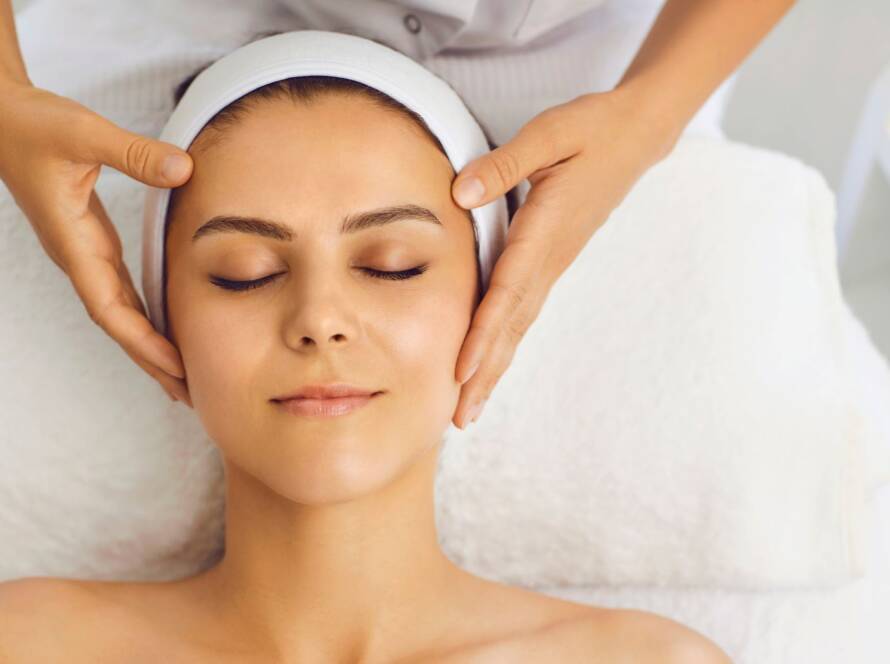
You book a massage to relax, ease your tight shoulders, and escape the stresses of daily life. You expect to walk out of the clinic feeling like you’re floating on a cloud. But then, a few hours later or perhaps the next morning something unexpected happens. Your muscles ache, your head throbs, and you feel like you’re coming down with the flu.
If this has happened to you, you’ve probably asked yourself: Can a massage make you sick?
The short answer is yes, it can but it isn’t usually a “sickness” in the way we think of a cold or a virus. It is a physical reaction to the changes happening inside your body. This phenomenon is so common that it is often referred to as “massage flu” or “post-massage malaise.”
In this guide, we will dive deep into why this happens, the science behind the “massage flu,” and what you can do to ensure your next session leaves you feeling refreshed rather than run down.
Can Massage Cause Illness? What Happens to Your Body
When you receive a massage, especially a deep tissue or remedial treatment, the therapist is doing much more than just rubbing your skin. They are applying pressure to manipulate muscles, fascia (the connective tissue), and the circulatory system. This physical intervention triggers several biological responses.
Firstly, massage increases blood flow. When muscles are tight or “knotted,” blood flow to those areas is restricted. Massage helps break up these adhesions, allowing fresh, oxygenated blood to rush in. While this is a good thing, the sudden shift in circulation can be a shock to the system if your body isn’t prepared for it.
Secondly, massage stimulates the lymphatic system. This system is responsible for moving waste products and excess fluid out of your tissues. By physically pushing these fluids through the body, a massage can temporarily overwhelm your system as it works to process and eliminate that waste. This internal “cleanup” is often the root cause of why some people feel unwell afterward.
Common Side Effects of Massage
While most people experience nothing but relaxation, it is perfectly normal to encounter some massage therapy side effects. The most common experience is “delayed onset muscle soreness” (DOMS).
This feels very similar to the soreness you might feel after a heavy session at the gym. Because the therapist has been stretching and putting pressure on muscle fibers, those fibers experience tiny micro-tears that the body needs to repair.
Other side effects can include mild bruising (particularly after deep tissue work), thirst, and a temporary feeling of lightheadedness. These symptoms are usually mild and disappear within 24 to 48 hours.
However, if you aren’t expecting them, they can be quite alarming. Understanding that these are signs of your body healing and responding to the treatment can help ease your mind.
Why Some People Feel Sick After a Massage
If you’ve ever felt “under the weather” after a session, you might be experiencing what is known as sick after deep tissue massage. Deep tissue work is more intense than a standard relaxation massage. It targets the deepest layers of muscle and connective tissue.
When a therapist works on deep-seated tension, they are effectively causing a controlled amount of inflammation in the area. This inflammation is what triggers the body’s repair mechanism.
However, for some individuals, this inflammatory response can feel like a systemic illness. You might experience body aches, a low-grade feeling of fatigue, or even a slight chill.
This isn’t because the massage “gave” you a virus, but because your immune system has been activated to deal with the micro-trauma in the muscles.
How Massage Affects the Nervous System and Detox Process
The connection between massage and nervous system function is one of the most fascinating aspects of bodywork. Most of the time, our bodies are in a “sympathetic” state the “fight or flight” mode triggered by stress. Massage helps switch the body into the “parasympathetic” state, also known as “rest and digest.”
While this shift is the goal of relaxation, the transition can sometimes cause “post-session grogginess.” Your heart rate drops, your blood pressure lowers, and your digestive system wakes up. This sudden change in your internal “settings” can leave you feeling disoriented or extremely tired immediately following the session.
There is also the widely debated topic of the toxins released after massage. While the idea that massage “squeezes” poisons out of your muscles like a sponge is a bit of a simplification, there is a grain of truth to it.
Physical manipulation helps move metabolic waste like lactic acid and carbonic acid out of the muscle tissue and into the bloodstream so the kidneys and liver can filter them out. If your body is already slightly dehydrated or stressed, the presence of these metabolic byproducts in your blood can make you feel temporarily nauseous or fatigued.
Hydration and Its Role in Preventing Post-Massage Sickness
If there is one piece of advice every massage therapist gives, it’s this: “Drink plenty of water.” Proper hydration after massage is the single most important factor in preventing the “massage flu.”
Water acts as a vehicle for your body’s waste management system. When those metabolic byproducts are pushed out of your muscles, they need to be flushed out of your body. If you are dehydrated, those waste products sit in your system longer, prolonging that “sick” feeling.
Drinking water helps your kidneys process the waste more efficiently and keeps your muscle tissues supple, which can also reduce the severity of post-massage soreness. Think of it as rinsing out a filter; the more clean water you put in, the faster the “dirt” gets washed away.
When to Avoid Massage (and Why)
As beneficial as bodywork is, there are times when you should definitely skip your appointment. If you are already feeling ill perhaps you have a fever, a bad cough, or a stomach bug a massage will likely make you feel significantly worse.
The reason for this is that your immune system is already working overtime to fight off an infection. As we discussed, massage stimulates the lymphatic system and can cause a temporary increase in inflammation. If you add those post-massage symptoms to an existing illness, you are essentially doubling the workload on your body.
Furthermore, if you have a contagious virus, you risk passing it on to your therapist and other clients. It is always better to wait until you are fully recovered before getting back on the table.
When to Avoid Massage include:
- Recent surgeries or acute injuries.
- Certain skin conditions or rashes.
- Severe osteoporosis or blood clots (DVT).
- High fever.
- Other contraindications.
How to Recover from Feeling Sick After a Massage
If you do find yourself feeling unwell, don’t panic. There are several steps you can take to speed up your deep tissue massage recovery and get back to feeling your best.
First, listen to your body and rest. If you feel tired, take a nap. Your body does its best repair work while you are sleeping. Second, continue to hydrate. Aim for at least 8-10 glasses of water over the 24 hours following your massage.
You might also find that an Epsom salt bath helps. The magnesium in the salts can be absorbed through the skin, helping to soothe sore muscles and calm the nervous system.
It is also common to experience a headache after massage. This is often a “tension release” headache or a result of dehydration. If this happens, avoid bright lights, stay hydrated, and use a cool compress on your forehead.
Usually, a good night’s sleep is all it takes for these symptoms to vanish, leaving you with the long-term benefits of the massage, such as increased flexibility and reduced chronic pain.
Conclusion
So, why massage can cause sickness isn’t a mystery it’s a sign of a body in transition. From the movement of metabolic waste to the shifting of your nervous system, a massage is a powerful physical event. While feeling “off” for a day or two can be frustrating, it is usually just a temporary hump on the road to better health.
By understanding massage side effects, staying hydrated, and knowing when to reschedule, you can minimize the risks and maximize the rewards.
The next time you feel a bit “flu-ey” after a deep tissue session, remember: your body is just doing some heavy-duty spring cleaning. Drink your water, get some rest, and soon enough, you’ll be feeling the true, revitalizing benefits of your treatment.