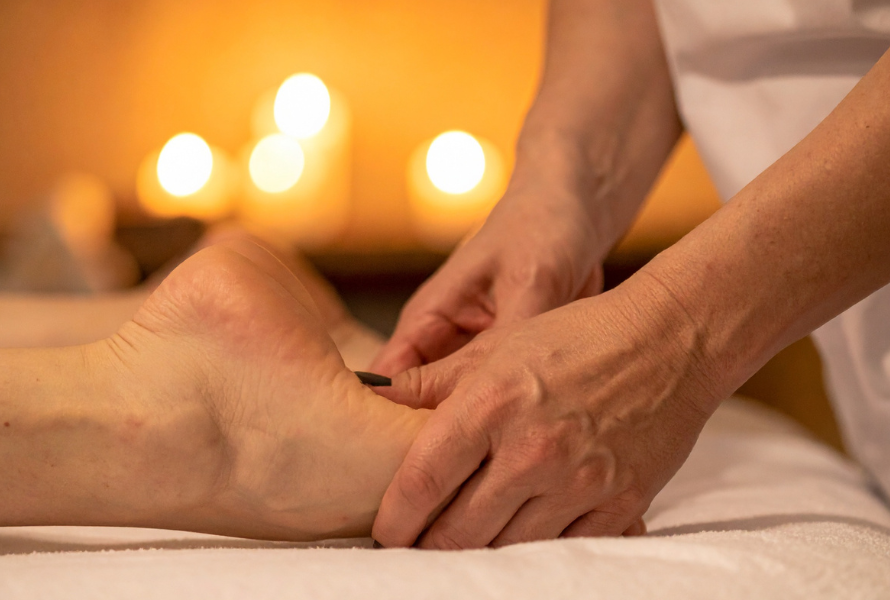
Have you ever kicked off your shoes at the end of a long day and noticed your feet looking puffy, feeling heavy, or just plain uncomfortable? You are not alone. Swollen feet are one of the most common physical complaints people deal with, and while it might seem like a minor inconvenience, persistent swelling can affect your mobility, your mood, and your overall quality of life.
The good news is that something as simple and soothing as a foot massage can make a real difference. Not just for relaxation, but for actually reducing the swelling, improving circulation, and helping your body move excess fluid the way it is supposed to. At Shiatsu Massage Center, we have seen firsthand how targeted foot massage therapies can bring genuine relief to people dealing with swollen, achy feet. Whether your swelling comes from being on your feet all day or from a more specific health concern, the right massage approach can offer meaningful, lasting comfort.
Let us walk through everything you need to know.
What Causes Swelling in Feet?
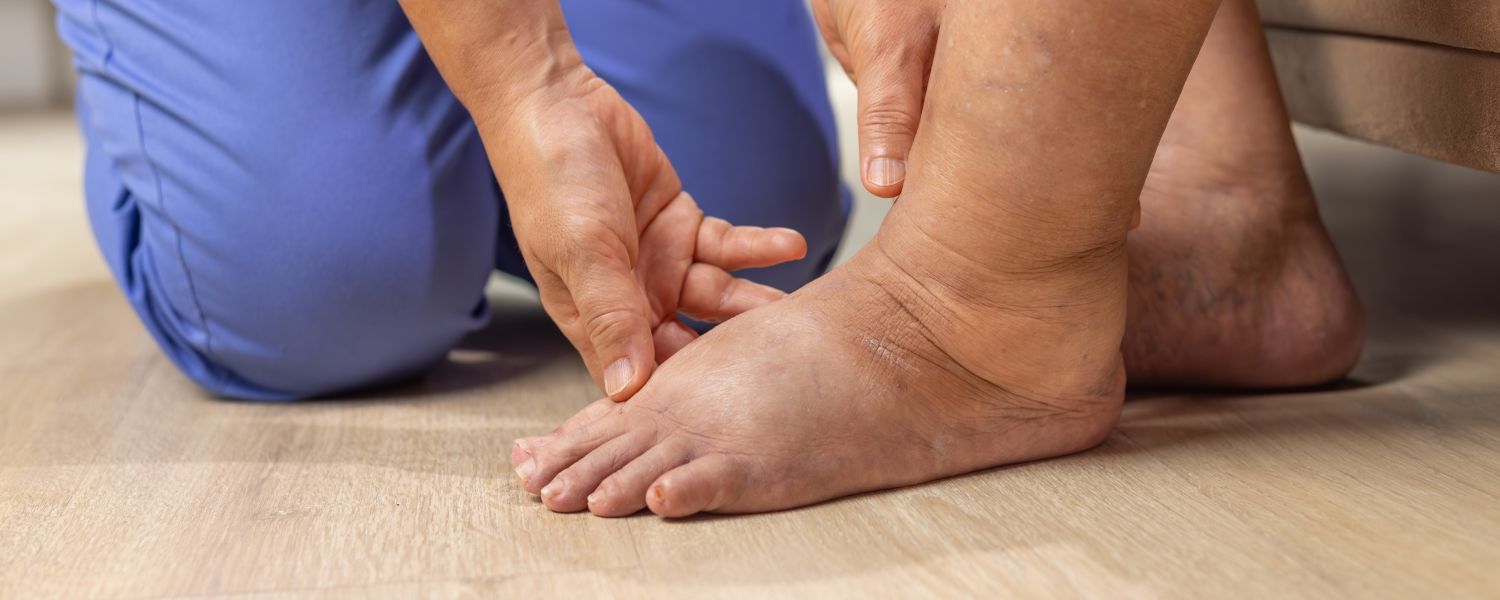
Before understanding how massage helps, it is useful to know why your feet swell in the first place. Swelling, also called edema, happens when excess fluid builds up in the tissues of your feet and ankles. This can be triggered by a number of everyday and medical causes.
Prolonged standing or sitting is one of the most common culprits. When you stay in one position for too long, blood and lymphatic fluid can pool in the lower extremities because gravity pulls them downward and the normal pumping action of movement is missing.
Pregnancy puts increased pressure on the veins that return blood from the legs back to the heart, which is why swollen feet are almost universally experienced during the later months. Hormonal changes also cause the body to retain more sodium and water, which makes things worse.
Injuries like sprains or fractures bring inflammation to the affected area, and that inflammation comes with fluid. Your body sends it there to protect and heal, but it also creates that uncomfortable puffiness.
Poor circulation is another major factor. When blood does not move efficiently through your veins and capillaries, fluid leaks into surrounding tissue. This is connected to conditions like varicose veins, heart issues, or kidney problems.
Lymphatic drainage problems are also worth mentioning. Your lymphatic system acts like the body’s drainage network, clearing away excess fluid and waste. When it is sluggish or blocked, fluid accumulates and swelling follows.
The great thing about foot massage is that it directly addresses several of these root causes at once, particularly poor circulation and sluggish lymphatic movement.
How Massage Helps Reduce Swelling in Feet
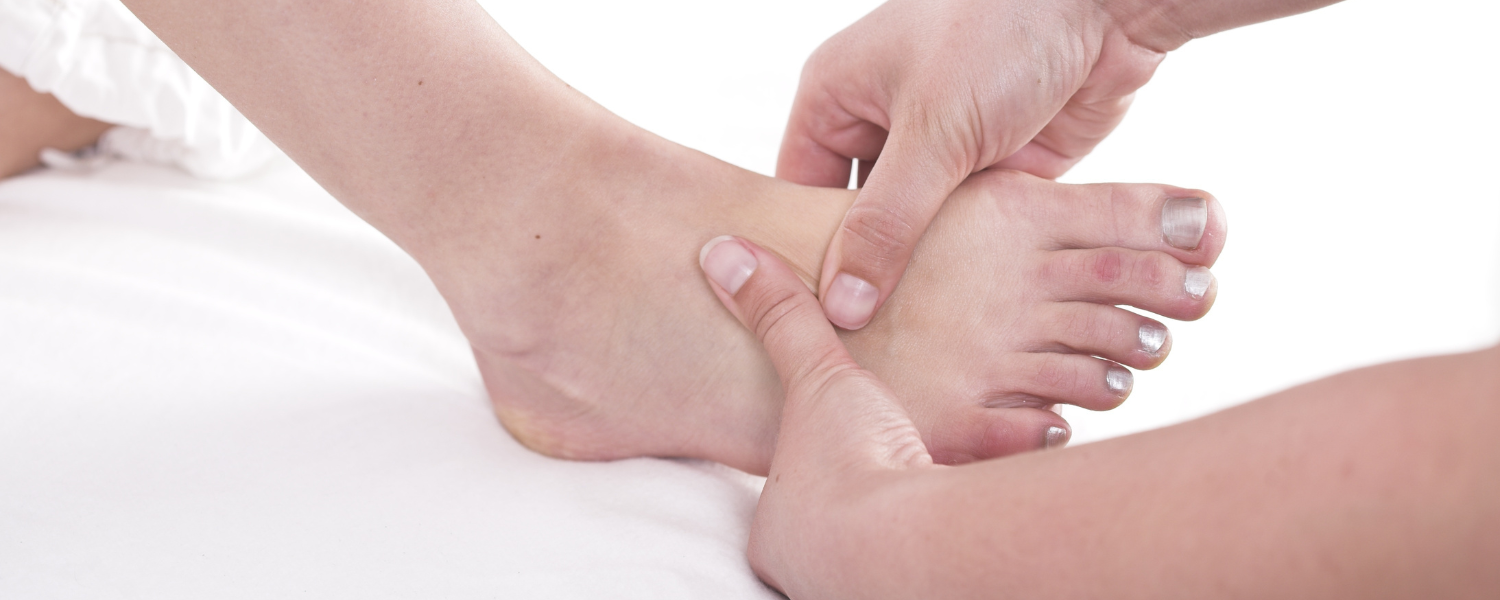
When a skilled therapist works on your feet, something important happens beneath the surface. The physical pressure applied during massage stimulates blood flow in the capillaries and veins, helping to push stagnant blood back upward toward the heart. This mechanical action mimics the pumping effect of walking and movement, which is exactly what swollen feet are missing.
At the same time, massage activates the lymphatic system. Gentle, rhythmic strokes toward the body help move lymphatic fluid out of the congested areas of the feet and ankles, reducing the amount of fluid trapped in the tissue. This is the same principle behind lymphatic drainage massage, which is specifically designed to address edema.
There is also a neurological component. Massage triggers the parasympathetic nervous system, which is the rest-and-digest mode of your body. When you are relaxed, your blood vessels dilate slightly, circulation improves, and the body becomes more efficient at regulating fluid balance.
In short, massage works on multiple levels: mechanical, circulatory, lymphatic, and neurological. That is why it can produce noticeable results for swelling, not just in how your feet feel but in how they actually look.
Benefits of Foot Massage for Swelling Relief
There are several clear, well-recognized benefits of regular foot massage when it comes to managing swollen feet.
Reduced fluid retention is the most immediate benefit. By stimulating lymphatic drainage and improving venous return, massage helps the body clear excess fluid from the lower legs and feet more effectively.
Improved blood flow means your tissues receive more oxygen and nutrients, which supports healing and reduces the inflammation that contributes to swelling in the first place.
Relaxed muscles play an important role too. Tight calf muscles and foot muscles can restrict circulation and make swelling worse. Massage releases that tension, allowing blood and lymph to move more freely.
Pain and discomfort reduction goes hand in hand with swelling relief. When fluid pressure decreases and circulation improves, that heavy, aching, tight feeling in swollen feet tends to ease significantly.
Better sleep and stress relief are added bonuses. Many people with swollen feet struggle to sleep comfortably. Massage promotes relaxation deeply enough that sleep quality often improves alongside the physical symptoms.
For people in Honolulu dealing with swelling from the heat, long workdays, or travel, foot massage in Honolulu has become a go-to solution for exactly these reasons.
Techniques Used in Foot Massage to Address Swelling
Not all foot massage techniques are created equal when it comes to swelling. Some approaches are particularly effective at moving fluid and improving circulation.
Effleurage strokes are long, gliding movements that follow the direction of venous and lymphatic flow, moving fluid upward toward the heart. These are often used at the beginning and end of a session to warm up the tissue and consolidate the effects.
Thumb pressure on specific reflex points helps stimulate the internal organs and systems associated with fluid regulation, including the kidneys and lymphatic nodes. Reflexology massage maps the feet as a reflection of the whole body, and pressing these points is believed to encourage the body’s natural drainage functions.
Petrissage involves kneading and squeezing the muscles of the foot and calf. This technique is particularly good for breaking up congestion and encouraging fluid movement out of tight, swollen areas.
Circulatory strokes around the ankle and lower leg help address the areas where fluid most commonly pools. Light, upward strokes in this area can have a surprisingly strong effect on visible swelling.
The key is that these techniques should always be applied with awareness and skill. Overly deep or aggressive pressure on severely swollen feet can actually aggravate the problem, which is why working with trained therapists matters.
Shiatsu Foot Massage: A Powerful Remedy for Swollen Feet
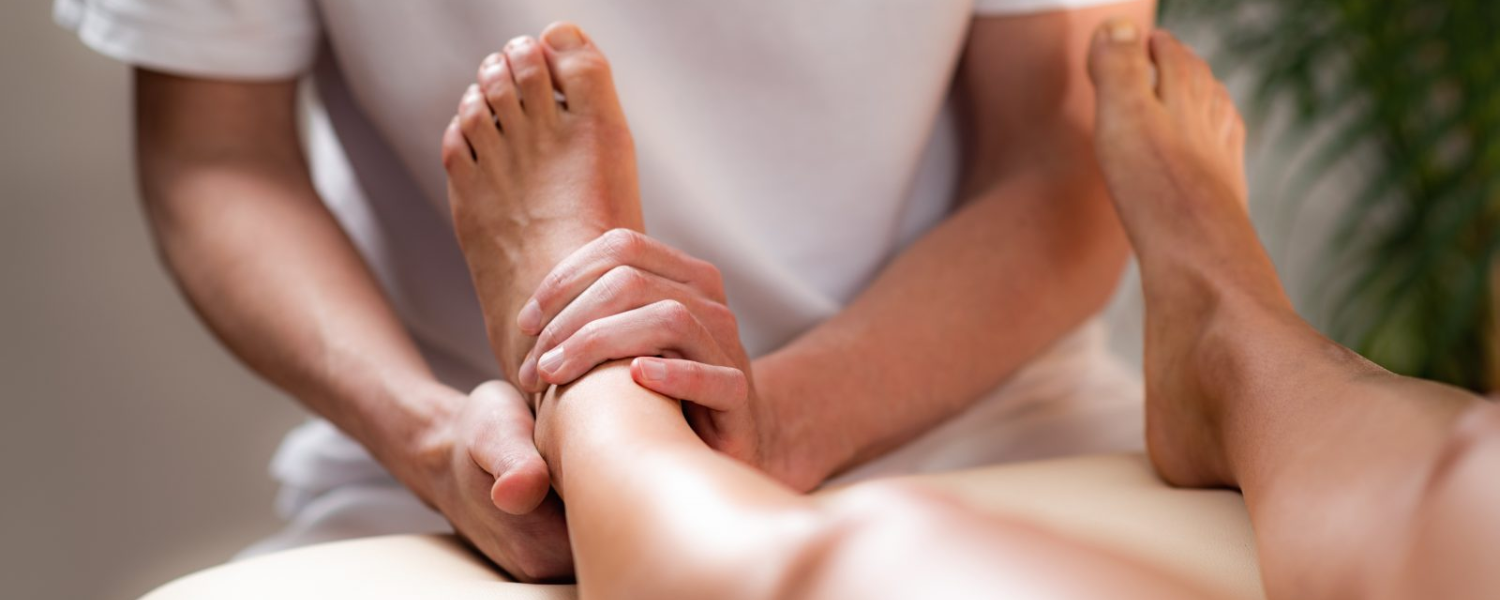
Shiatsu is a Japanese massage technique rooted in the same energy principles as acupuncture. Instead of needles, it uses firm, focused finger and thumb pressure applied along specific meridian lines and pressure points throughout the body, including the feet.
For swollen feet, Shiatsu foot massage is particularly powerful because it targets the energetic pathways associated with the kidneys, spleen, and bladder, all of which play a direct role in how the body manages fluid. By stimulating these points with precise, sustained pressure, Shiatsu encourages the body to release built-up fluid and restore its natural balance.
Unlike some deeper forms of massage, Shiatsu works gently but with intention. The pressure is steady and rhythmic, and the effect builds over the course of the session. People often notice their feet feeling lighter and less puffy within a single session, with more sustained results developing over regular treatments.
At Shiatsu Massage Center, this technique is combined with other approaches like deep tissue massage and lymphatic drainage massage to create a well-rounded treatment plan tailored to each person’s specific needs. The combination of these methods gives the body the best possible support for reducing swelling and maintaining better circulation long term.
How Often Should You Get a Foot Massage for Swelling?
Frequency matters when you are using massage to manage ongoing swelling. For most people, one to two sessions per week is the sweet spot for seeing consistent improvement. This gives your body enough regular stimulation to maintain better circulation and lymphatic flow without overdoing it.
If your swelling is related to a temporary cause like travel, pregnancy in its later stages, or a recent injury, even a few targeted sessions can make a meaningful difference. For chronic conditions or recurring edema, building massage into your regular wellness routine over several weeks will produce the most noticeable and lasting results.
Between professional sessions, self-massage at home can help maintain the benefits. Even a few minutes of gentle upward strokes along the feet and calves, combined with keeping your legs elevated when resting, can support what your therapist is doing during your visits.
What to Expect During a Foot Massage for Swelling
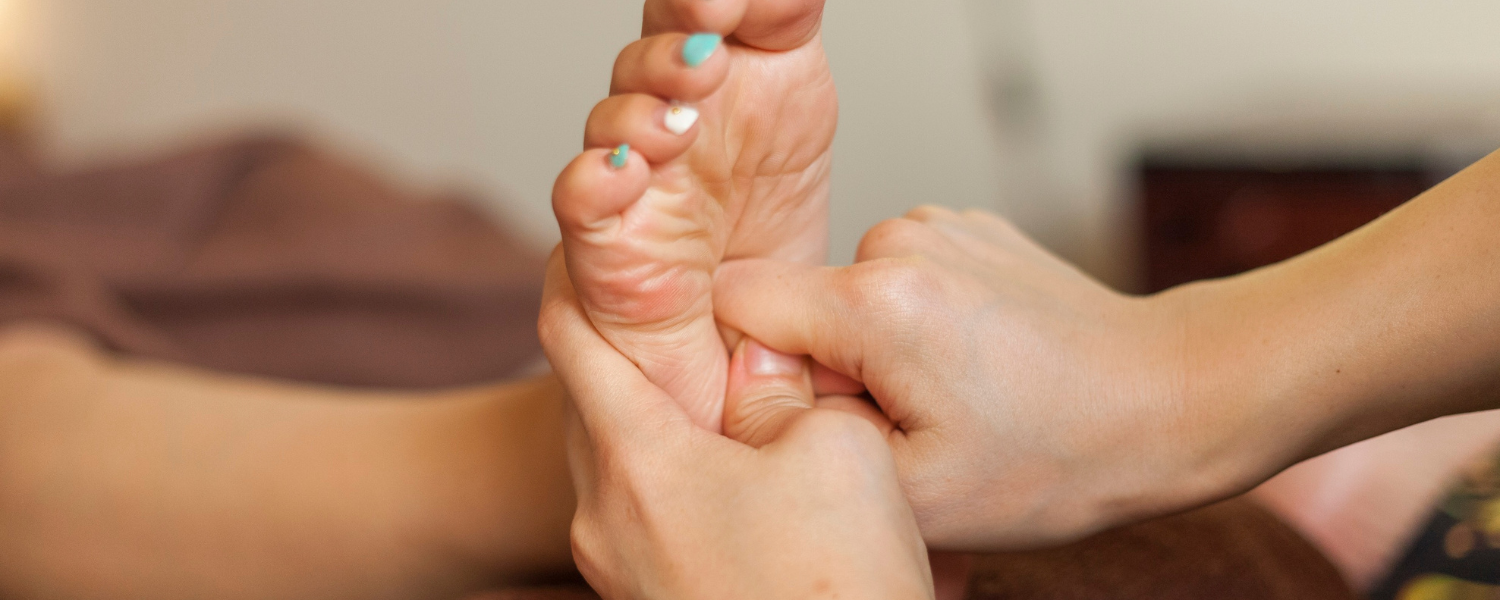
If you have never had a foot massage focused specifically on swelling relief, knowing what to expect can help you feel prepared and comfortable.
Your therapist will likely begin by assessing the degree of swelling and asking about any underlying health conditions. This helps them choose the right pressure level and techniques for your situation.
The session usually begins with gentle warming strokes to get circulation moving before progressing to more specific techniques. You might feel some mild discomfort if areas are particularly congested, but the overall experience should be calming and relieving rather than painful.
Toward the end of the session, slower, integrating strokes bring everything together and encourage your body to settle into its improved state. You will likely be advised to drink water afterward to support the flushing of any released fluid and metabolic waste.
Many people notice immediate relief, with feet feeling lighter, less tight, and visibly less puffy right after a session. The results build with consistency.
Conclusion
Swollen feet do not have to be something you simply endure. Massage, particularly Shiatsu foot massage combined with techniques like lymphatic drainage and deep tissue work, offers a proven, natural way to address the root causes of foot swelling and bring genuine relief.
By improving circulation, supporting lymphatic drainage, relaxing tight muscles, and working with the body’s own systems, regular foot massage can reduce swelling, ease discomfort, and help you move through your day with far greater comfort. Whether you are dealing with occasional puffiness or a more persistent pattern of swelling.
Ready to feel the difference that expert hands can make?
At Shiatsu Massage Center, we specialize in the perfect balance of relaxation and clinical relief.