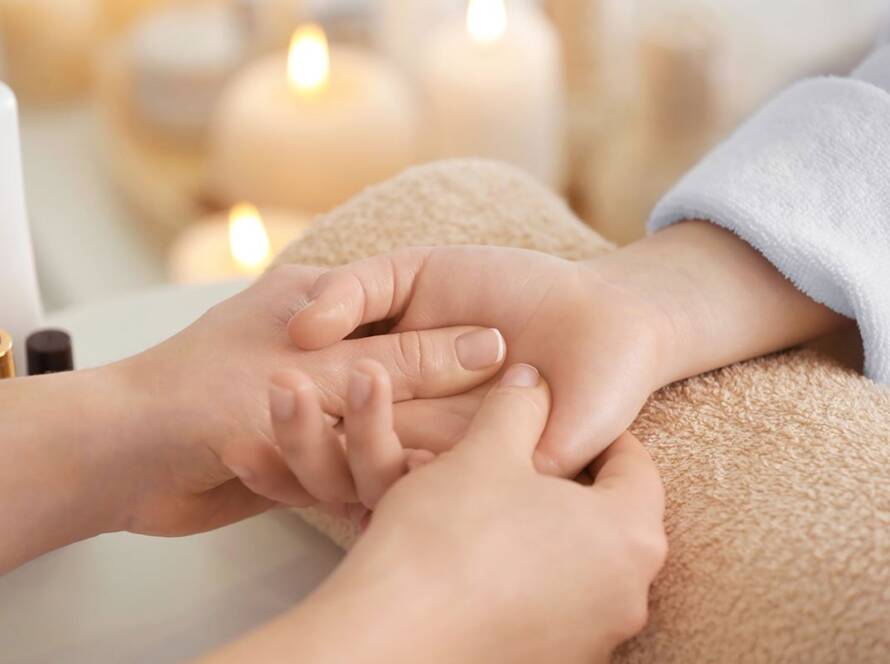
If you have ever come home after a long day and noticed your feet looking puffy and feeling tight, you are not alone. Swollen feet are one of the most common complaints people deal with, whether it comes from standing all day, sitting through a long flight, or dealing with a health condition. The discomfort can range from mildly annoying to genuinely painful, and it often leaves people searching for a simple, natural way to find relief.
So, does foot massage help swelling? The short answer is yes. Foot massage is one of the oldest and most effective natural remedies for reducing puffiness, easing discomfort, and getting your feet back to feeling normal. In this post, we will take a deep look at why feet swell in the first place, how massage therapy works to bring that swelling down, and why a professional Shiatsu foot massage might be exactly what your body needs.
What Causes Foot Swelling?
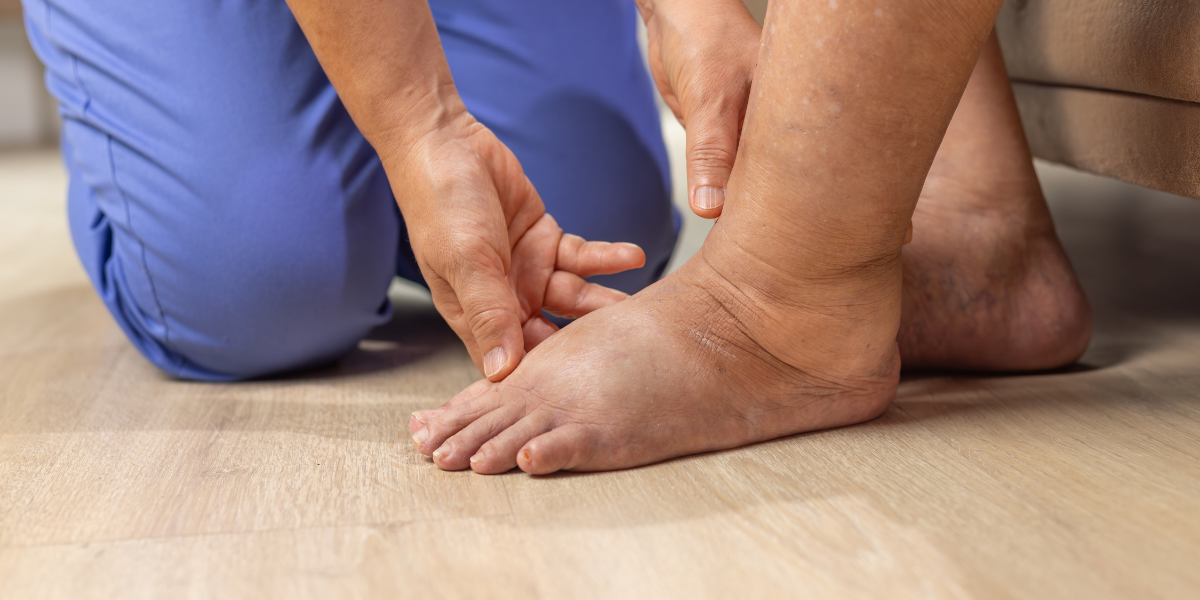
Before we talk about the solution, it helps to understand the problem. Foot swelling, which doctors call edema, happens when excess fluid builds up in the tissues of your feet and ankles. There are many reasons this can happen, and most of them are tied to everyday life:
-
Standing or Sitting for Too Long: When you stay in one position for hours, gravity pulls fluid down into your lower legs and feet. Your circulatory system struggles to push that fluid back up toward your heart. People who work on their feet all day, like nurses, teachers, restaurant workers, and retail employees, know this feeling all too well.
-
Pregnancy: As the body changes and blood volume increases, many pregnant women notice significant puffiness in their feet and ankles, especially during the third trimester. Hormonal shifts also cause the body to retain more water than usual.
-
Injuries: Sprains, fractures, or even minor bumps can trigger swelling as part of the body’s natural healing response. Inflammation rushes to the injured area, bringing extra fluid along with it.
-
Poor Circulation: Conditions like diabetes, heart disease, and venous insufficiency can reduce the efficiency of blood flow in the legs and feet, leading to chronic swelling. Even wearing tight shoes or crossing your legs for too long can interfere with healthy circulation.
-
Diet and Medications: Eating too much sodium causes the body to hold onto water, and that extra fluid often settles in the feet. Certain medications, including blood pressure drugs and steroids, can also contribute to edema as a side effect.
How Foot Massage Helps Reduce Swelling
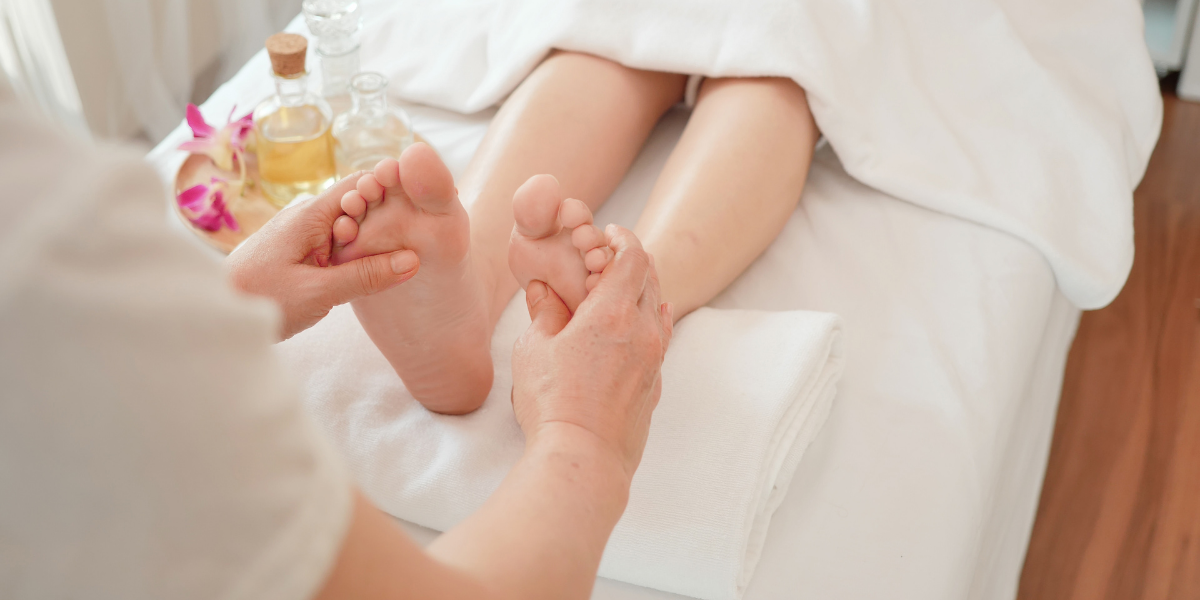
Now for the question everyone wants answered: does foot massage help swelling, and if so, how does it actually work? When a skilled therapist massages your feet, several things happen inside your body at once:
-
The “Sponge” Effect: The physical pressure applied to the soft tissue of your feet helps push trapped fluid out of the swollen areas and back into your circulatory system. Think of it like gently squeezing water out of a sponge. The fluid gets redirected to where your body can process and eliminate it naturally.
-
Stimulated Blood Flow: The kneading, pressing, and stroking motions encourage your blood vessels to dilate. More oxygen-rich blood reaches your feet, while stale, deoxygenated blood gets moved back toward your heart more efficiently.
-
Lymphatic System Drainage: Your lymphatic system is a network that acts like a drainage system for excess fluid and waste. It relies entirely on muscle movement and external pressure to keep flowing. Foot massage for lymphatic drainage manually stimulates this system, helping your body clear out the buildup that causes swelling.
-
Stress Hormone Reduction: When you are stressed, your body holds tension in ways that restrict blood flow and increase inflammation. A good foot massage triggers your parasympathetic nervous system (rest and recovery). As you relax, your blood vessels open up, your muscles release their grip, and your body becomes much better at healing itself.
Benefits of Foot Massage Beyond Swelling
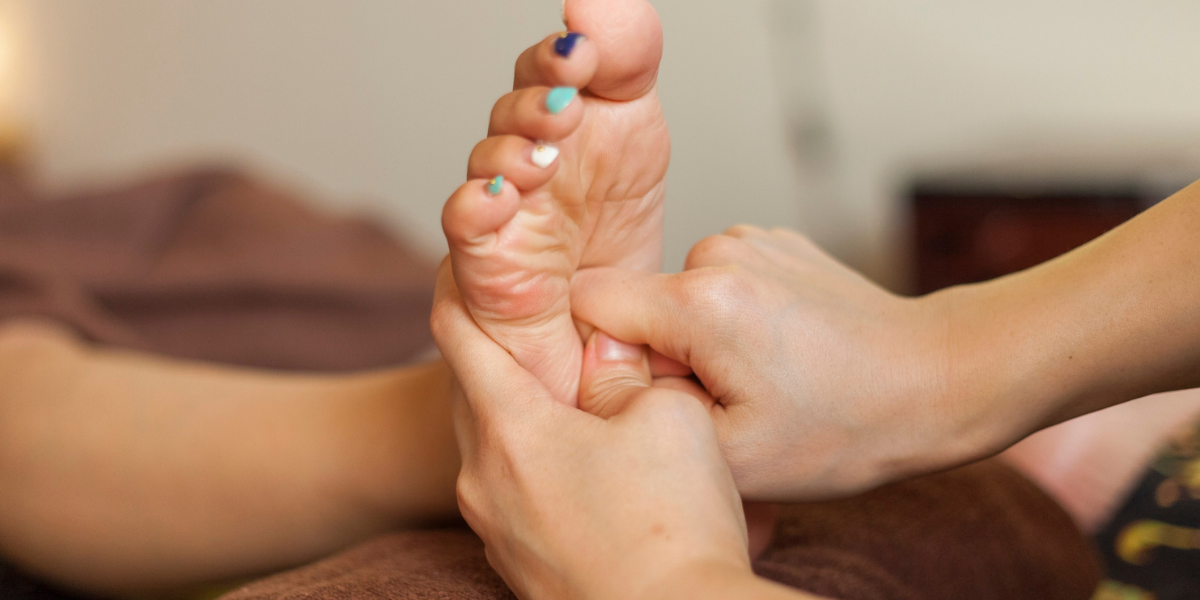
While swelling relief is a major reason people seek out foot massage, the benefits stretch much further than that. Your feet contain thousands of nerve endings, and working on them has a ripple effect throughout your entire body.
-
Stress Relief: A relaxation massage focused on the feet can lower cortisol levels, slow your heart rate, and create a deep sense of calm that lasts well beyond the session.
-
Pain Reduction: Whether you are dealing with plantar fasciitis, arch pain, or general soreness, massage therapy for foot pain targets the muscles, tendons, and connective tissue causing your discomfort.
-
Improved Flexibility and Range of Motion: Stiff, swollen feet do not move well, which can affect your ankles, knees, and lower back. Massage loosens these joints and prevents compensatory injuries higher up in your body.
-
Muscle Recovery: For athletes, foot massage helps flush out metabolic waste products like lactic acid, speeding up recovery time and reducing post-workout soreness.
-
Better Sleep: The deep relaxation that comes from a thorough foot massage can help regulate your sleep cycle, making it easier to fall asleep and stay asleep.
Techniques Used in Foot Massage for Swelling Relief
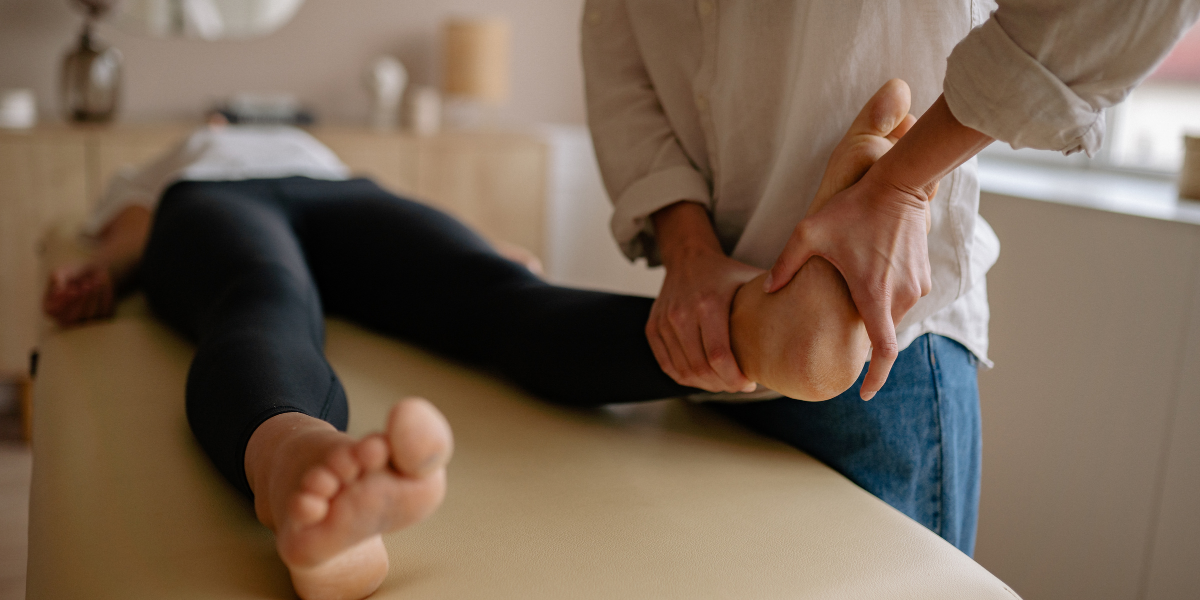
Not all massage techniques are created equal when it comes to reducing swelling. A knowledgeable therapist will use specific methods that target fluid retention and circulation problems.
Thumb pressure is one of the foundational techniques. By applying firm, steady pressure with the thumbs along the sole of the foot, a therapist can break up tension in the deep muscles and encourage fluid to move out of congested areas. This technique is especially effective along the arch and the ball of the foot, where tightness tends to build up.
Circulatory strokes involve long, sweeping movements that follow the natural direction of blood flow, always working from the toes up toward the heart. These strokes are gentle but purposeful, designed to guide excess fluid back into the circulatory system where it can be processed. This is one of the key techniques that makes foot circulation massage benefits so noticeable even after a single session.
Reflexology is a specialized approach that views the foot as a map of the entire body. Specific points on the foot correspond to different organs and systems. By pressing on points linked to the kidneys, adrenal glands, and lymphatic system, a reflexologist can encourage your body to release excess fluid more efficiently. The benefits of reflexology for swelling have been recognized in healing traditions around the world for centuries.
Joint mobilization is another technique where the therapist gently rotates and flexes the toes and ankle to improve range of motion and encourage fluid drainage from the joints themselves. This is particularly helpful for people whose swelling concentrates around the ankle area.
Shiatsu Foot Massage: A Natural Remedy for Swelling
Shiatsu is a Japanese massage technique that uses finger and palm pressure applied to specific points along the body’s energy pathways, known as meridians. When applied to the feet, Shiatsu foot massage for swelling is remarkably effective because it combines the circulation-boosting benefits of traditional massage with the targeted energy work of Eastern healing practices.
During a Shiatsu foot massage, the therapist applies rhythmic pressure to points on the feet that correspond to areas of blockage or imbalance in the body. This approach does not just treat the symptom of swelling; it addresses the underlying patterns that cause fluid to accumulate in the first place. By restoring balance to your body’s energy flow, Shiatsu helps your circulatory and lymphatic systems function at their best.
What makes Shiatsu different from a standard foot rub is the intentionality behind every touch. Each point of pressure is chosen for a reason, and the rhythm of the session is designed to bring your whole body into a state of harmony. Many people describe feeling lighter on their feet almost immediately after a Shiatsu session, and the results tend to build over time with regular visits.
How Often Should You Get a Foot Massage for Swelling?
The ideal frequency depends on the severity of your swelling and what is causing it. For people dealing with occasional puffiness from a long day or a salty meal, a foot massage once or twice a month can be enough to keep things under control and provide ongoing foot swelling relief massage benefits.
If you are dealing with chronic swelling related to circulation issues, pregnancy, or a medical condition, more frequent sessions are usually recommended. Many people in this situation find that weekly sessions for the first month or two make a dramatic difference, after which they can transition to every two weeks for maintenance.
Athletes and people with physically demanding jobs often benefit from regular sessions as part of their overall recovery routine. Post-massage care is also important. Drinking plenty of water after your session helps your body flush out the fluid that was mobilized during the massage. Elevating your feet for a short time afterward and avoiding standing for long periods can extend the benefits of your treatment.
Want to make swelling relief a regular part of your routine?
Schedule your recurring sessions at Shiatsu Massage Center in Waikīkī!
What to Expect During a Foot Massage at Shiatsu Massage Center
If you have never had a professional foot massage before, walking into Shiatsu Massage Center Waikīkī for the first time is a welcoming experience. The session begins with a brief conversation about your concerns, including where you are experiencing swelling, how long it has been going on, and any underlying health conditions the therapist should know about.
You will then settle into a comfortable position while your therapist begins working on your feet. The session typically starts with gentle warming strokes to increase blood flow and prepare the tissues for deeper work. From there, the therapist moves into more targeted techniques, applying Shiatsu pressure to specific points, using circulatory strokes to guide fluid upward, and working through any areas of tightness or pain.
The atmosphere is calm and quiet, designed to help you relax fully. Many clients close their eyes and drift into a deeply restful state during their session. The therapist will check in with you about pressure levels to make sure everything feels comfortable and effective.
After the session, you will likely notice that your feet feel lighter, less tight, and more flexible. The therapist may offer post massage care suggestions, such as stretches you can do at home, hydration tips, and lifestyle adjustments that can help keep swelling at bay between visits.
Conclusion: Book Your Foot Massage Today for Relief
Swollen feet are more than just a cosmetic annoyance. They can cause real pain, limit your mobility, and signal that your body needs attention. The good news is that foot massage is a proven, natural, and deeply enjoyable way to address the problem. From boosting circulation and supporting lymphatic drainage to relieving stress and reducing pain, the benefits of foot massage for swelling are backed by both tradition and modern understanding of the body.
Whether you are dealing with occasional puffiness or chronic edema, a professional Shiatsu foot massage can make a meaningful difference in how your feet feel and how your whole body functions.
Don’t wait for the swelling to worsen! experience soothing relief and better circulation.