Introduction
You just had a relaxing massage. You expected to feel refreshed and light. But instead, you feel tired, a little achy, and maybe even slightly nauseous. What is going on?
Many people search online for something called massage flu that tired, slightly sick feeling some people get after a massage session. If this has happened to you, you are not alone. It can feel a bit alarming, especially when you went in expecting to feel better.
The good news is that massage flu is usually a completely normal response. It is your body’s way of adjusting after deep muscle work. Understanding why it happens, what symptoms to expect, and how to recover quickly can help you get the most out of every session.
What Is Massage Flu?
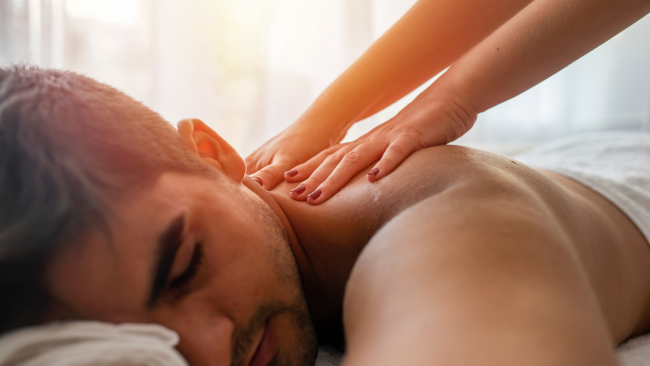
Massage flu is not actually the flu. You have not caught a virus. The name simply describes a group of mild symptoms that some people feel after receiving a massage — particularly a deeper or more intense one.
Common massage flu symptoms include:
- Fatigue or low energy
- Mild headache
- General muscle soreness
- Slight nausea
- Runny nose or cold-like feelings
- Sensitivity to light
- A general sense of heaviness
Feeling sick after a massage like this usually fades within a day. It is the body processing all the changes that happened during the session. Think of it less like being unwell and more like your body working hard behind the scenes.
Why Some People Feel Sick After a Massage
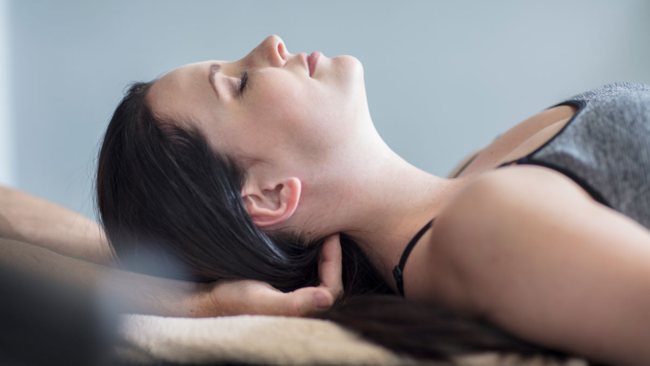
So why does this happen? There are several real physiological reasons why you might feel sick after a massage, and none of them are cause for panic.
Increased circulation is one major factor. During a massage, blood flow throughout your body speeds up. This is great for your muscles and organs, but it also means your cardiovascular system is working a bit harder than usual. For some people, this temporary shift in circulation can bring on mild dizziness or fatigue.
Lymphatic stimulation is another reason. The lymphatic system is responsible for clearing waste and toxins from tissues. Massage physically moves fluid through this system. When it gets stimulated, especially during a long or deep session, your body starts processing more waste than usual. This can temporarily make you feel run-down.
Muscle tension release can also trigger soreness. When a therapist works on tight or knotted muscles, those areas go through real physical change. Tissues that have been holding tension for weeks or months suddenly let go. This process, while deeply beneficial, can leave you feeling achy in the hours that follow.
Dehydration plays a role too. Many people come to a massage already slightly dehydrated, and massage increases the demand on your body’s fluids. If you do not drink enough water before and after, you may experience headaches or fatigue as a result.
Finally, there is the nervous system reset. A good massage shifts your body from a high-alert, stress-driven state into a calm, rest-and-digest mode. While this is exactly what you want long-term, the sudden shift can leave you feeling groggy or emotionally soft for a little while.
These are all natural responses. They are signs that the massage is doing something real inside your body.
Common Massage Flu Symptoms
Here is a simple breakdown of what people typically feel after a session. These symptoms are usually mild and short-lived:
- Fatigue — the most common complaint; your body is in repair mode
- Muscle soreness — especially after deep tissue work on tight areas
- Mild headache — often linked to dehydration or tension release in the neck and shoulders
- Dizziness — usually brief and related to circulation changes
- Nausea — uncommon but possible, especially after abdominal or deep work
- Thirst — your body asking for more water
- Sleepiness — a sign your nervous system is fully relaxing
Most of these disappear within 12 to 24 hours. A good rest, plenty of water, and some light movement are usually all you need.
What Toxins Are Released During Massage?
You may have heard that massage releases toxins from the body. This is partly true, but it helps to understand what that actually means.
When muscles are worked deeply, metabolic waste products that have built up inside the tissue get pushed into the bloodstream and lymph. These include things like lactic acid the substance responsible for that burning feeling after exercise as well as inflammatory chemicals that sit in areas of chronic tension.
The lymphatic system then has to filter and process all of this. The liver and kidneys do most of the heavy lifting. This is why drinking water after a massage is so strongly recommended. Water supports the kidneys in flushing everything out efficiently.
The concept of toxins released after massage is sometimes overstated, but there is a real biological basis for it. When circulation improves and lymph moves more freely, your body does go through a kind of clean-up process. The temporary fatigue or mild headache you feel afterward may simply be the cost of that internal housekeeping.
When Massage Flu Is More Likely to Happen
Not every massage leads to massage flu. Certain situations make it more likely.
Deep tissue massage is the most common trigger. Because this style targets the deeper layers of muscle and connective tissue, the physical effect on your body is more intense. Deep tissue massage Honolulu clients often report this kind of post-session fatigue, especially after their first visit or after a long gap between appointments.
Sports massage, which targets muscle recovery and injury prevention, can also bring on these symptoms due to its intensity.
If it is your first-ever massage, your body simply is not used to the experience. Everything is new the circulation changes, the lymphatic stimulation, the nervous system response. It is more likely to produce a strong reaction.
People who come in with very tight or chronically tense muscles tend to feel it more as well. The more built-up tension there is, the more the body has to process once it is released.
Finally, being dehydrated before your session significantly increases the chance of experiencing headache, fatigue, and nausea afterward.
How to Prevent Massage Flu
A little preparation and post massage care goes a long way. Here are practical steps to reduce or avoid these symptoms altogether:
- Drink plenty of water before and after your session this is the single most effective step
- Rest for a few hours after your massage rather than rushing back into a busy schedule
- Avoid alcohol on the day of your massage, as it increases dehydration
- Take a warm shower afterward to help your muscles relax and support circulation
- Do some gentle stretching in the evening to keep your muscles loose
- Eat a light meal beforehand so you are not going in on an empty stomach
- Tell your therapist if any area feels too intense communication prevents over-working sensitive tissue
How Long Does Massage Flu Last?
For most people, the post massage flu feeling clears up within 12 to 24 hours. Some people feel completely fine by the next morning after a good night’s sleep.
If you are still feeling unwell after 48 hours, that is worth paying attention to. In rare cases, this could mean the massage was too intense for your current health state, or that something else is going on entirely.
The best recovery plan is simple: water, rest, and a light meal. Avoid pushing yourself hard the day after a deep session.
Benefits of Massage Despite Massage Flu
Even if you experience some discomfort after a session, the long-term benefits of regular massage far outweigh the temporary adjustment period.
Regular massage therapy Honolulu clients often report:
- Improved circulation throughout the body
- Reduced stress and anxiety — massage is one of the most effective natural tools for calming the nervous system
- Faster muscle recovery after exercise or physical work
- Better sleep quality — many clients find massage for anxiety and sleep to be especially transformative
- Chronic pain relief over time, particularly in the back, neck, and shoulders
- Shiatsu massage benefits including energy rebalancing, improved digestion, and nervous system support
Experience Professional Massage Therapy in Honolulu
If you are dealing with muscle tension, stress, post-workout soreness, or simply need to reset, our professional therapists are here to help.
At Shiatsu Massage Center Honolulu, we offer:
When You Should Be Concerned
While massage flu is almost always harmless, there are a few situations where you should speak to a doctor rather than wait it out.
Seek medical advice if you experience:
- A fever after your massage
- Severe or worsening dizziness that does not settle within a few hours
- Sharp or lasting pain in a specific area, especially if it is new
- Swelling at the massage site
- Skin reactions such as redness, hives, or rash
These symptoms are uncommon, but they can indicate an underlying issue that needs professional attention. When in doubt, always check with a healthcare provider.
For the vast majority of people, massage flu is nothing more than the body doing exactly what it should adjusting, processing, and healing.
Frequently Asked Questions
1. What is massage flu?
Massage flu is a term used to describe mild symptoms like fatigue, soreness, headache, or nausea that some people feel after a massage. It is not a real illness.
2. Is massage flu real?
Yes, the symptoms are real even though the name is informal. They result from physiological changes in your circulation, lymphatic system, and muscles during the session.
3. How long does massage flu last?
Most people feel better within 12 to 24 hours. Drinking water and resting speeds up recovery.
4. How can I avoid massage flu?
Stay well hydrated, eat lightly before your session, communicate with your therapist about pressure, and rest afterward. These steps significantly reduce the chances of feeling unwell.
5. Can deep tissue massage make you sick?
Yes, deep tissue massage is one of the most common triggers for massage flu because of its intensity. This is normal, especially for first-time clients or those with significant muscle tension. It typically passes quickly with proper aftercare.
Ready to Feel Your Best?
Our experienced therapists understand your body’s needs and tailor every session to give you the deepest possible benefit with the smoothest recovery.
Whether you are new to massage or a regular client, we are here to support your health, one session at a time.