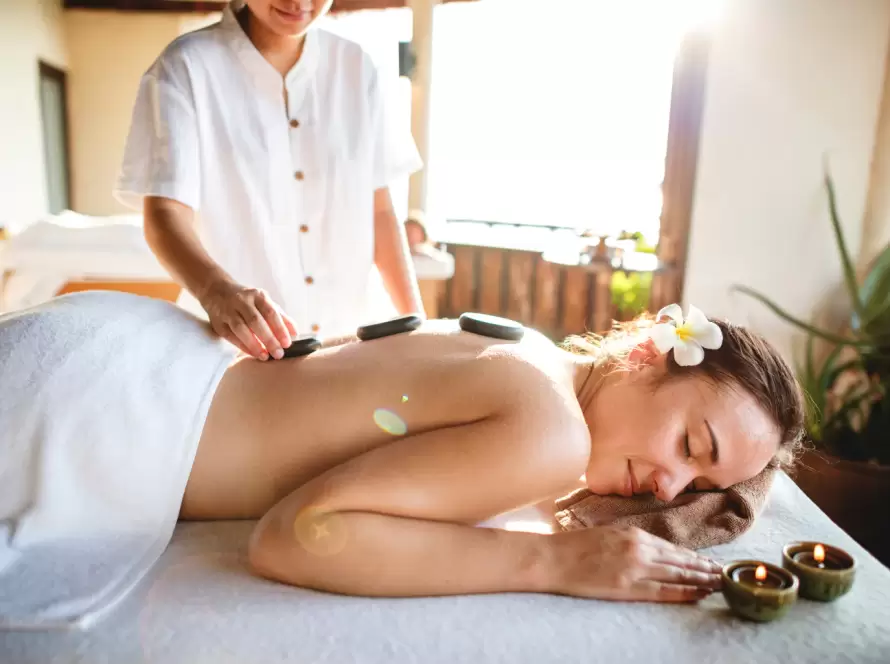
You booked the massage to feel amazing. You walked out expecting to float through the rest of your day. Instead, you’re dragging your feet, your eyes are heavy, and all you want is a dark room and a blanket.
Sound familiar?
Feeling exhausted after a massage is one of the most common and most confusing things people experience. You paid for relaxation. You got fatigue. That feels like a cruel joke.
But here’s the truth: your therapist didn’t do anything wrong. Your body is doing exactly what it’s supposed to do. What you’re feeling has a name — the “massage hangover” and it’s actually a sign that something good just happened inside you.
This guide will explain why it happens, how long it lasts, and exactly what to do to recover faster. Let’s get into it.
5 Biological Reasons You Feel Exhausted After a Massage
Post-massage fatigue isn’t random. There are real, physical things happening in your body that explain every yawn. Here are the five biggest reasons:
1. The Toxin Flush
During a massage, your lymphatic system gets a serious wake-up call. Stagnant waste products lactic acid, metabolic byproducts, and other cellular debris get pushed out of your muscle tissue and into your bloodstream for elimination.
Your liver and kidneys now have to process all of that. That takes energy. Real energy. The kind your body pulls away from keeping you alert and cheerful.
2. The Nervous System Crash
Most of us spend our days running on the sympathetic nervous system that’s the “fight or flight” setting. Heart rate up, cortisol high, body always slightly braced for something.
A good massage forces a hard switch to the parasympathetic nervous system “rest and digest” mode. Your heart rate slows, blood pressure drops, muscles stop bracing.
That sudden shift feels like someone just pulled the plug. Your body, finally allowed to rest, takes that permission seriously. This is sometimes called the sleepy after massage effect, and it’s completely biological.
3. The Passive Workout Effect
You were lying still, but your muscles were being worked.
When a therapist kneads, compresses, and stretches muscle fibers, it creates microscopic stress in the tissue the same kind of stress that happens during a gym workout. Blood flow increases. Muscle fibers break down slightly to rebuild stronger.
The result? Your body needs recovery time, just like after exercise. Exhaustion after deep tissue massage in particular is nearly universal for this reason. You got a workout. You just didn’t have to do any of the lifting.
4. Emotional and Energetic Release
This one surprises people, but it’s well-documented.
The body stores emotional tension in the muscles especially in the shoulders, hips, and jaw. When a therapist works those areas deeply, it can trigger an unexpected emotional release. Some people cry on the table. Some feel a wave of sadness or relief hours later.
That kind of emotional processing is exhausting in the same way a difficult conversation is exhausting. Your body just did some heavy lifting emotionally speaking.
5. Temporary Dehydration
Massage speeds up circulation and increases the filtration load on your kidneys. Your body essentially borrows water to flush waste products efficiently.
Unless you replace that water quickly, you’ll enter a mild state of dehydration and dehydration causes fatigue, brain fog, and low energy. This is exactly why every massage therapist tells you to drink water afterward. It’s not just a polite suggestion.
How Long Does Post-Massage Fatigue Last?
The timeline varies from person to person, but here’s a general breakdown of what to expect:
Immediately After (0–2 Hours) This is when tiredness after a massage peaks. You may feel groggy, slow, and heavy. Moving feels like wading through water. This is your nervous system in full parasympathetic mode. Don’t fight it.
That Evening Most people feel a quiet, bone-deep tiredness by evening. Some notice mild achiness in the areas that were worked. This is normal. Your body is in active repair mode.
The Next Morning For many people especially first-timers or those who had deep work the day after massage can feel worse before it feels better. Muscles that were worked may be tender. You might feel slightly flu-ish. This is normal and temporary.
48 Hours Later By the 48-hour mark, the vast majority of people feel noticeably better than they did before the massage. The fatigue lifts. The tension is gone. The body has completed its recovery cycle.
Important note: People who get massages regularly tend to experience this fatigue much less intensely. When your body is used to regular lymphatic flushing, there’s less waste built up to process each time. First-timers and people getting their first deep tissue session in months will almost always feel it harder.
Is It Just Tiredness Or Is It “Massage Flu”?
Sometimes post-massage fatigue goes a bit further than just feeling sleepy. If you’ve ever noticed a runny nose, mild headache, or that achy “coming down with something” feeling after a session, you’ve experienced what practitioners call post-massage soreness and malaise or PMSM.
This is sometimes called a healing crisis.
When metabolic waste gets released into the bloodstream all at once, the immune system notices and responds. It’s not actually fighting an infection it just looks and feels like it is. Mild massage flu symptoms like fatigue, light sensitivity, or a fuzzy head are the immune system doing its job.
This is different from getting actually sick. The key difference: massage flu peaks within 24 hours and then fades. Real illness gets progressively worse.
7 Fast Ways to Cure Your Massage Hangover
Here’s what actually helps when you’re feeling wiped out after your session:
- Drink a lot of water. Not a glass a lot. Your kidneys need fluid to do their job. Aim for at least 2–3 extra glasses in the hours after your massage.
- Take the nap. Seriously. Your body is trying to repair itself and that requires rest. Fighting the tiredness just delays recovery.
- Skip the gym. Your muscles just had a passive workout. Adding a real workout on top of that is asking for soreness and injury. Take the day off.
- Take an Epsom salt bath. The magnesium sulfate in Epsom salts helps relax muscle tissue, draw out further waste, and soothe inflammation. Soak for 20 minutes.
- Eat light, nutrient-dense food. Heavy meals stress your digestive system when your body is already taxed. Go for fruits, vegetables, broth-based soups, or something light and easy to process.
- Do gentle stretching. A 10-minute light stretch keeps the circulation moving and prevents muscles from tightening back up after all that work.
- Avoid alcohol and caffeine. Both are dehydrating. Alcohol in particular interferes with the recovery process and can make post-massage soreness significantly worse.
Want the benefits of massage without triggering a full-blown recovery day?
Our Express Shiatsu Session (just $25 for 15 minutes) is designed to release tension quickly and gently without the heavy lymphatic flush that causes exhaustion. It’s the perfect option when you need relief but can’t afford downtime.
How to Prevent the Exhaustion Before Your Next Session
The best post-massage care starts before you even get on the table. Three simple habits can dramatically reduce how wiped out you feel afterward:
- Hydrate Before You Arrive: Show up already well-hydrated. When your tissues are properly hydrated, the lymphatic flushing is smoother and less of a shock to your system. Drink at least 16 oz of water in the hour before your appointment.
- Communicate About Pressure: One of the biggest triggers for severe post-massage exhaustion is too much pressure, too fast. If you haven’t had a massage in months or ever ask your therapist to start at a medium pressure and work up gradually. Your body needs time to adapt.
- Book Shorter, More Frequent Sessions: A 30-minute session every two weeks is far gentler on your system than a 90-minute deep tissue session every three months. When you go infrequently, there’s more built-up waste to flush and that means a harder recovery. Regular sessions keep the system moving steadily.
When Should You Actually Be Concerned?
The “healing crisis” is real, but it has limits. Here’s how to tell the difference between normal fatigue and something that needs attention:
Normal after a massage:
- Tiredness or sleepiness
- Mild muscle soreness (like post-workout soreness)
- Slight headache
- Runny nose or mild congestion
- Feeling emotionally sensitive
Not normal see a doctor if you experience:
- High fever (above 101°F / 38.3°C)
- Severe dizziness or fainting
- Vomiting or nausea that doesn’t pass within a few hours
- Extreme swelling in any area
- Chest pain or heart palpitations
- Symptoms that get progressively worse after 48 hours
A massage should never make you seriously ill. If something feels truly wrong not just the usual tiredness trust your instincts and get checked out.
Frequently Asked Questions
1. Why do I feel exhausted after a massage?
Your body is processing released toxins, switching into parasympathetic (rest) mode, and recovering from the passive physical work done on your muscles. All three of those things require energy, which is why you feel drained.
2. Does drinking water actually cure a massage hangover?
It’s the single most important thing you can do. Water helps your kidneys flush the metabolic waste that was released during your session. Without it, the waste lingers in your system longer and fatigue lasts longer.
3. Can massage drain your energy?
Yes temporarily. The energy your body normally uses to keep you alert and moving gets redirected toward internal repair and flushing. It’s a loan, not a loss. You’ll feel the benefit once recovery is complete.
4. Can I go back to work after a massage?
For light desk work, yes though you may feel slower than usual. For physical labor or anything requiring sharp mental focus, it’s better to plan your massage for a day when you can rest afterward.
5. What are the symptoms of being overtired after a massage?
Heavy limbs, brain fog, yawning, mild headache, emotional sensitivity, and a strong urge to sleep. These are all classic signs of feeling exhausted after a massage and should resolve within 24–48 hours.
6. What toxins are released after a massage?
Primarily lactic acid, uric acid, and other metabolic waste products stored in soft tissue. For the full breakdown, visit our main guide: What Toxins Are Released After a Massage?
7. How many hours should you rest after a massage?
At minimum, give yourself 2 hours of low-activity time. For deeper sessions, plan for a full evening of rest. If you got a deep tissue or intensive lymphatic massage, sleeping well that night is the best recovery tool available.
Conclusion: Your Body Earned This Rest Let It Have It
Feeling exhausted after a massage isn’t a failure. It’s feedback. Your body just did a significant amount of internal work, and now it needs time to complete the job.
Drink your water. Take the nap. Skip the gym. Eat something light. And give yourself permission to rest without guilt.
The fatigue is temporary. The benefits reduced tension, better circulation, lower cortisol, improved sleep those last.
Ready to make recovery a ritual?
You and your partner both get deep, therapeutic work in the same space and then you recover together. No rushing back to real life. No driving home alone exhausted. Just shared rest, shared results, and a recovery routine you’ll actually look forward to. When you book regularly, your bodies adapt, the massage hangover fades, and the benefits compound session by session.