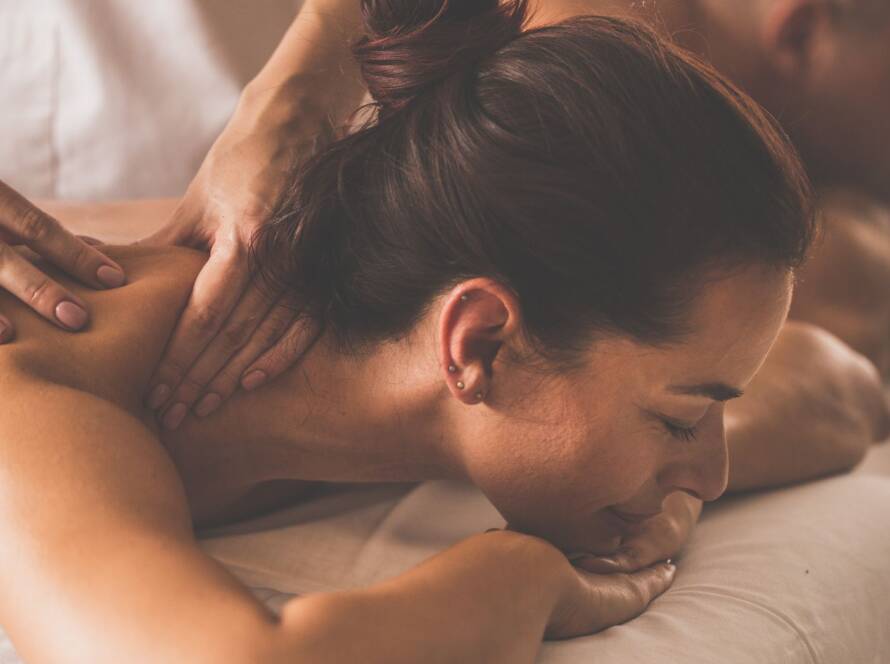
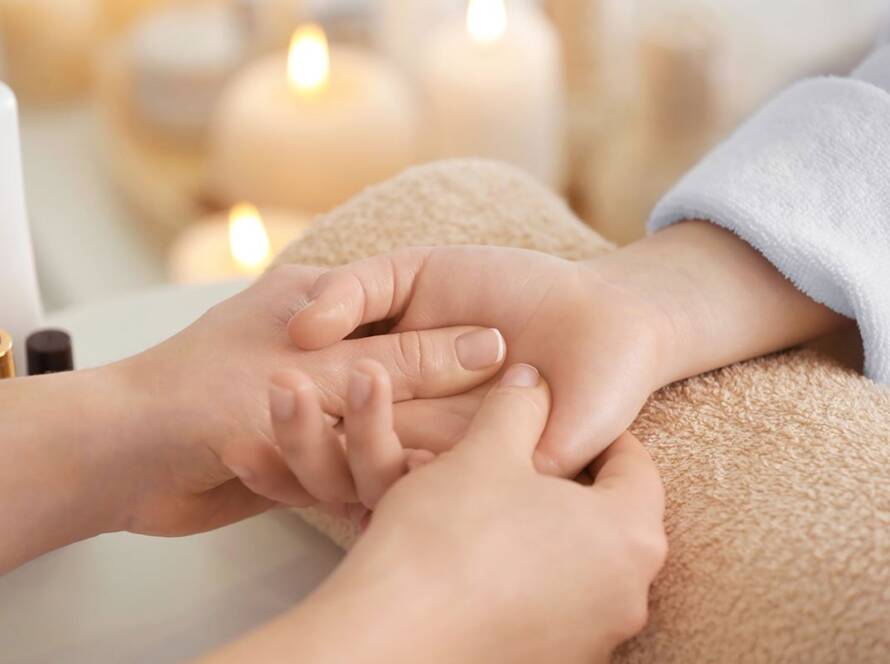
As a holistic wellness practitioner with over years of experience, I’ve seen countless spa trends and high-tech recovery gadgets come and go. Yet, for true, lasting relief from chronic pain and modern stress, I consistently return to one foundational, time-tested healing art: a Shiatsu massage.
If you are reading this, your body is likely asking for help. Whether you are battling a persistent ache in your lower back from long hours at a desk, carrying a restrictive band of tension across your shoulders, or dealing with a nervous system stuck in perpetual overdrive, your body needs a reset. In our fast-paced world, we often mask these symptoms with quick fixes. A Shiatsu massage changes the narrative by treating the structural and energetic root causes of your pain.
Think of this page as your ultimate central hub. We will explore the core concepts of this ancient therapy here, blending expert insights with easy-to-read takeaways. Whenever you want to dive deeper into a specific ailment or benefit, you will find dedicated links to our specialized sub-topic guides. Let’s begin your journey to holistic health.
What Exactly is a Shiatsu Massage? The Foundation of Healing
To truly appreciate the depth of this therapy, we have to look back before we can look forward. If you look at the literal translation from Japanese, “Shiatsu” simply means “finger” (shi) and “pressure” (atsu). However, this simple translation barely scratches the surface of the art and science behind the modality. It is a full-body therapeutic approach that harmonizes the body, mind, and spirit.
The Historical Roots and Evolution
While the term itself was officially coined in Japan in the early 20th century by a man named Tokujiro Namikoshi, the roots of the practice stretch back thousands of years. It evolved from an older traditional Japanese massage style called Anma, which was heavily derived from ancient Traditional Chinese Medicine (TCM). Tokujiro Namikoshi developed his specific technique by instinctively using his thumbs and palms to apply pressure to his mother, who suffered from severe rheumatoid arthritis, providing her with immense relief. He later established the Japan Shiatsu College, marrying ancient Eastern philosophies of energy work with modern Western knowledge of anatomy.
Key characteristics that define a traditional Shiatsu massage include:
- No Oils or Lotions: The treatment is performed completely dry to allow for stable, non-slip pressure on specific points.
- Fully Clothed Clients: Because there is no oil or friction-based gliding, clients remain comfortably dressed in loose, breathable clothing throughout the entire session.
- Floor-Based Treatment: It is traditionally performed on a supportive futon mat on the floor. This allows the therapist to use gravity and their own body weight effectively, rather than relying on arm strength.
- Holistic Assessment: Practitioners assess the whole body not just the area of localized pain to find and treat the root cause of the discomfort.
“Healing does not mean the damage never existed. It means the damage no longer controls your life. A Shiatsu massage is the physical dialogue that reminds your body it is safe enough to let go of the tension it has been holding for years.”
Want to understand every single way this therapy can improve your life? Check out our complete, detailed breakdown.
-> Discover All 15+ Life-Changing Benefits of Shiatsu Here
The Eastern Philosophy: Understanding Qi and Meridians
If you have only ever experienced a traditional Western-style spa treatment, the therapist likely focused entirely on your musculoskeletal system kneading your muscles and manipulating your joints. A Shiatsu massage absolutely incorporates these physical elements, but its primary lens is focused on your body’s energetic system. Understanding this philosophy changes the way you view your own health.
The River of Vital Energy
At the heart of all TCM-based therapies is the concept of Qi (pronounced “chee”). Qi is the vital life force energy that animates everything in the human body, from the beating of your heart to the firing of your neurons. To understand how a Shiatsu massage works on a philosophical level, it is incredibly helpful to visualize your body as a living, breathing landscape.
Here is how the energetic landscape of your body operates:
- The Water (Qi): Your vital energy needs to flow smoothly and continuously, just like a clear, unobstructed river.
- The Riverbeds (Meridians): Your body features invisible pathways called meridians. Each meridian is connected to a specific organ system (like the heart, liver, or kidneys) and governs both physical and emotional health.
- The Dams (Blockages): Physical trauma, emotional distress, poor posture, and daily stress act like boulders falling into your river. They create energetic traffic jams. The areas downstream suffer from drought (weakness), while upstream areas flood (tension and pain).
- The Release (Tsubo points): A practitioner applies precise, rhythmic pressure to specific acupressure points (tsubo) along these meridians. This firm pressure breaks up the energetic debris and restores natural, healthy flow.
Need Quick Relief? Try Our Express Service!
Short on time but desperately need to release some tension? We offer a perfect introductory session to get you back on your feet during a busy workday.
Shiatsu Massage Quick Session: Just $31.41 for 15 Minutes. > Ideal for a lunchtime reset or targeted relief for a stiff neck.
The Western Science: What Happens Beneath the Skin?
While the energetic philosophy of Qi is beautiful and culturally significant, as a modern wellness advocate, I always look for the physiological “why.” What is actually happening beneath your skin, muscles, and bones when a therapist applies that deep, sustained pressure? The modern science backing a Shiatsu massage is fascinating and proves that this isn’t just a placebo effect.
The Ultimate Nervous System Reset
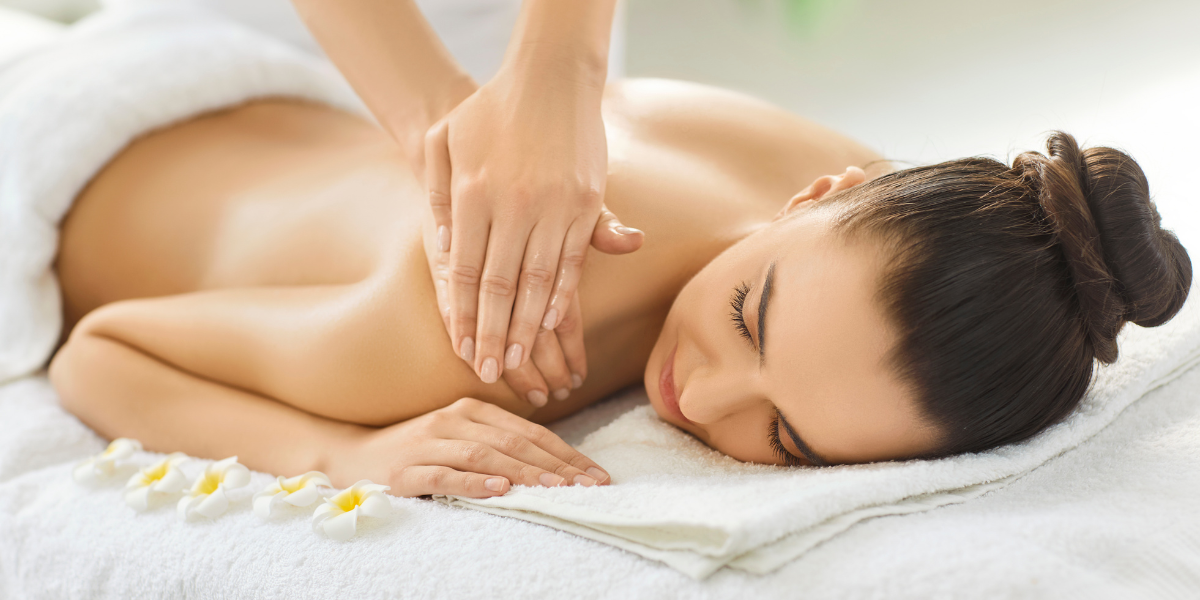
Our autonomic nervous system operates in two primary gears: the Sympathetic state (“fight or flight”) and the Parasympathetic state (“rest and digest”). Most of us spend our days trapped in the sympathetic state, constantly flooded with stress hormones due to work deadlines, financial worries, and endless screen time. When you receive a Shiatsu massage, the steady, rhythmic pressure acts as a profound signal of physical safety to your brain, pulling you out of survival mode.
Here is how your body physically responds to the treatment on a neurological level:
- Vagus Nerve Stimulation: The deep, consistent pressure stimulates the vagus nerve, which acts as the master brake pedal for your nervous system.
- Heart Rate Reduction: Within minutes of the session beginning, your heart rate slows down to a calm, steady rhythm, and your breathing naturally deepens.
- Hormonal Shift: Cortisol and adrenaline (stress hormones) levels drop significantly, while “feel-good” hormones like serotonin, dopamine, and oxytocin increase.
- Cellular Repair: Your body forcefully shifts into the parasympathetic state this is the only state where cellular repair, optimal digestion, immune function, and true healing can occur.
If you struggle with racing thoughts or insomnia, your nervous system needs this reset. Discover how physical touch alters brain chemistry and promotes deep rest.
-> Learn How to Finally Get a Good Night’s Sleep with Shiatsu
Fascial Melting and Increased Blood Flow
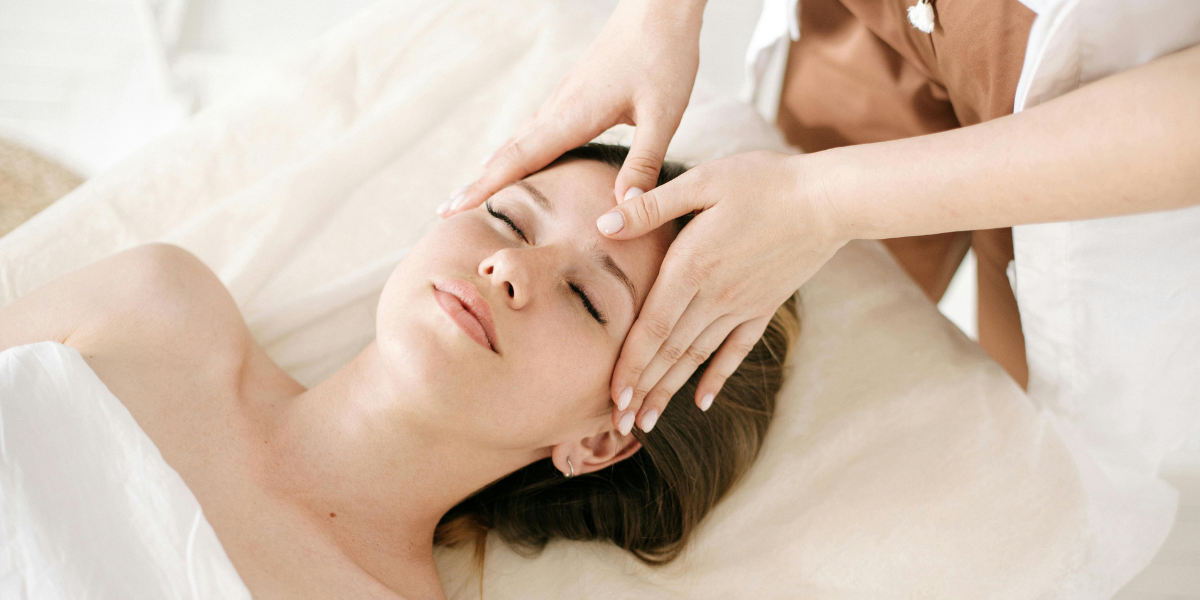
Fascia is the tough, web-like connective tissue that wraps around every single muscle, bone, and organ in your body. When we have poor posture or experience emotional trauma, this fascia becomes rigid, dry, and sticky, acting like a tight straightjacket that restricts our movement and causes chronic aches.
The mechanical process of a Shiatsu massage affects your tissues in the following ways:
- Ischemic Compression: The practitioner applies sustained, downward pressure to a specific muscle belly or trigger point, temporarily restricting blood flow to the localized area.
- Reactive Hyperemia: When the therapist releases their hands, the sudden lack of pressure triggers a massive rush of fresh, oxygen-rich blood back into the tissue.
- Toxin Flushing: This powerful rush of blood brings essential nutrients to starving muscle fibers and forcefully flushes out metabolic waste products, like lactic acid and cellular debris.
- Fascial Release: The sustained, warming pressure melts the sticky fascial adhesions, allowing the muscle fibers underneath to finally glide smoothly against one another again.
Top Physical Benefits of a Regular Shiatsu Massage
Because this modality treats the body as an interconnected whole rather than a collection of isolated parts, the physical benefits are vast and systemic. A regular Shiatsu massage is highly effective for pain management, chronic tension, postural correction, and rehabilitation. Let’s look at specific use cases and how this therapy addresses them.
Eradicating Chronic Pain and Postural Tension
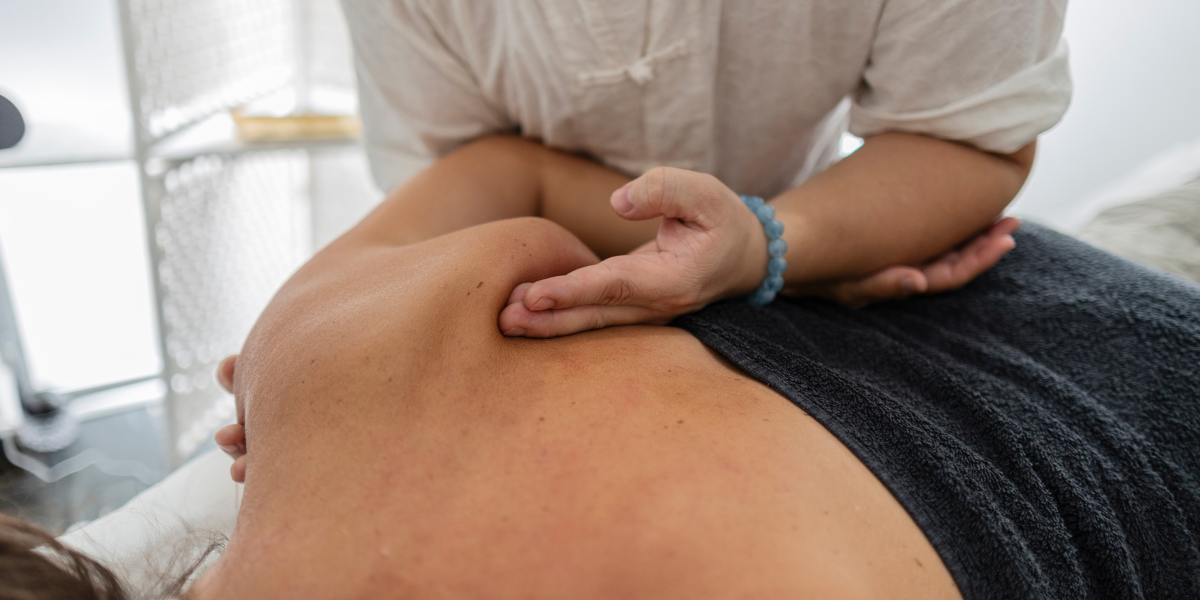
Pain is simply your body’s alarm system sounding off, begging for attention. Instead of ignoring the alarm or muting it with painkillers, Shiatsu addresses the structural and energetic root causes of the dysfunction.
Key areas where Shiatsu excels in pain relief include:
- Lower Back Pain Relief: Instead of aggressively digging into a highly sensitive, inflamed lower back, the therapist works the interconnected meridians traveling down the hamstrings, calves, and glutes. Releasing tension in the legs often magically relieves the severe pulling sensation on the lumbar spine.
- “Tech Neck” and Posture Correction: For desk workers, the deep compressions melt away the stubborn, hardened knots that form in the neck and upper back. It actively reverses the postural damage of sitting at a computer by opening up the tightened chest meridians.
- Sciatica Management: By carefully targeting the sciatic nerve pathways down the back of the legs and releasing the piriformis muscle in the glutes, it drastically reduces the sharp, shooting electrical pains associated with sciatic nerve compression.
- Head-to-Toe Relief: Because it is a full-body modality, even your extremities are treated. Shiatsu foot massage is incredibly grounding and relieves plantar fasciitis symptoms.
Are you dealing with a specific physical ailment? We have written extensive guides on how to treat these exact issues. Choose your topic below:
Read More Related Guides:
Enhancing Athletic Recovery and Joint Health
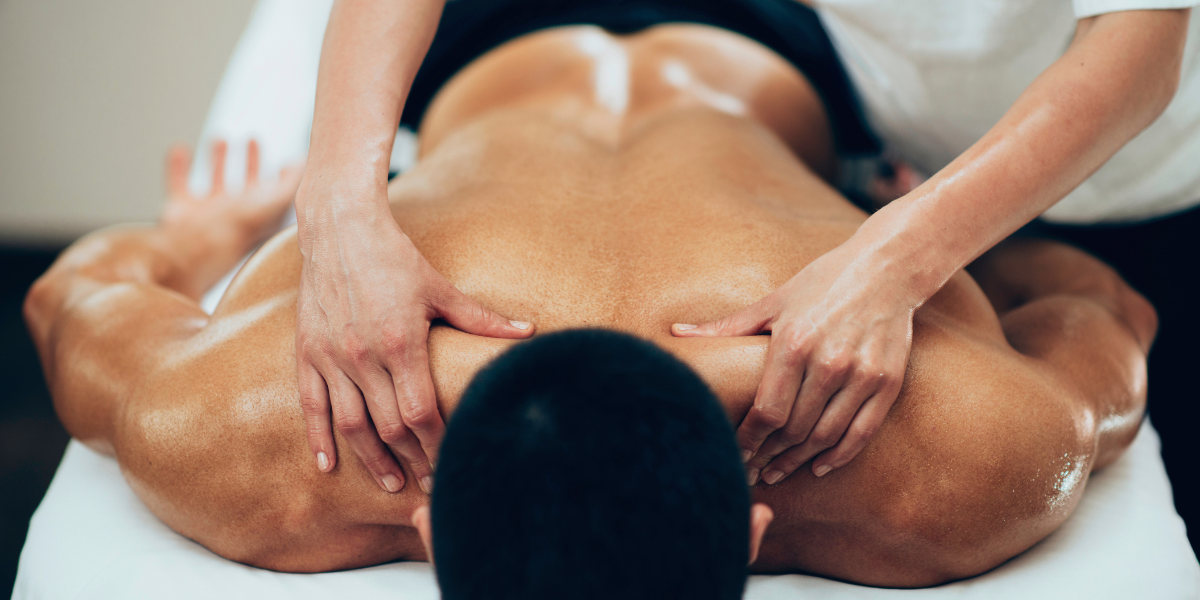
You do not have to be injured or in chronic pain to benefit from a Shiatsu massage. For active individuals, athletes, and fitness enthusiasts, it is an incredible preventative tool that keeps the body functioning at peak performance.
How Shiatsu supports an active lifestyle:
- Joint Lubrication and Flexibility: A major component of the treatment involves passive stretching. The therapist will gently lift, pull, and rotate your joints. This elongates shortened muscle fibers, increases synovial fluid in the joints, and restores a youthful, pain-free range of motion.
- Lactic Acid Flushing: For runners, cyclists, and weightlifters, the deep compressions act like a pump, speeding up muscle recovery by pushing cellular waste and lactic acid out of the fatigued tissues.
- Injury Prevention: By ensuring that your muscles are supple, your fascia is hydrated, and your joints are mobile, you drastically reduce the risk of tearing a muscle or spraining a ligament during your workouts.
Want to know how consistent bodywork can improve your athletic performance and keep you off the injured reserve list?
-> Sports Massage Benefits for Healing and Performance
Celebrate 20 Years of Healing With Us!
We believe that true healing is best when shared. Bring a partner, a friend, or a loved one and celebrate our 20th anniversary with our most luxurious, head-to-toe package.
The 105-Minute Ultimate Couples Experience > (This deeply restorative package includes: A Custom Couples Massage, soothing Hot Stone Therapy, an Exfoliating Foot Scrub, and a Rejuvenating Facial Mask.)
Normally $440 — Now just $390 per couple!
What to Expect: A Step-by-Step Guide to Your First Shiatsu Massage
If you have spent your life visiting traditional day spas where treatments involve dim lighting, slippery oils, and undressing under a sheet on a high table, preparing for your first Shiatsu massage will feel quite different. To ease any first-time anxiety and help you feel entirely prepared, let me walk you through exactly what will happen when you step through the doors of our clinic.
Step 1: The Pre-Treatment Consultation
Your session will never begin with you simply walking in and immediately lying down in silence. A skilled therapist will first sit down with you to understand your complete health profile. They view you as a whole person, not just a “bad shoulder” or a “stiff neck.”
During the initial consultation, your therapist will:
- Discuss Lifestyle: Ask about your sleep quality, daily hydration, digestion, stress levels at work, and exercise routine.
- Identify Goals: Work with you to identify your primary areas of physical pain, restriction, or emotional holding patterns.
- Perform an Energetic Assessment: They may perform a brief energetic assessment, such as a traditional Hara (abdominal) diagnosis. This involves gently pressing on different areas of your abdomen to feel for areas of heat, cold, or tension, which tells them exactly which internal meridians need the most attention that day.
Step 2: Setting the Stage (Attire and Environment)
The physical environment for a Shiatsu massage is specifically designed for maximum comfort, grounding, and safety.
Here is what makes the setup unique:
- You Remain Fully Clothed: Because there is no oil used, you will stay fully dressed for the entire duration of the session.
- What to Wear: We highly recommend that you arrive wearing loose, breathable, and comfortable clothing. Yoga pants, sweatpants, and a soft cotton t-shirt are perfect. Avoid jeans, thick sweaters, or tight belts, as these restrict the therapist’s ability to stretch your limbs.
- The Traditional Mat: The session typically takes place on a soft, supportive futon mat placed directly on the floor. Working on the floor allows the practitioner to use gravity and their own body weight to lean into the pressure safely, providing a much deeper, more consistent pressure than is often possible on a standard massage table.
Not sure what to pack in your gym bag for your appointment? We have a complete guide to ensure you are perfectly comfortable and ready to relax.
-> What to Wear to a Massage for Maximum Comfort
Step 3: The Healing Techniques
Once you are comfortable on the mat and focused on your breathing, the therapist will begin a continuous, deeply meditative, rhythmic dance of pressure and release.
You can expect a seamless blend of the following techniques:
- Broad Palming: The therapist usually begins by using the broad surface of their palms to apply comforting, wide pressure down your back and legs. This warms up the tissues and signals your nervous system that it is safe to relax.
- Targeted Thumb Pressure: This is the core structural element of a Shiatsu massage. The therapist uses their thumbs to apply firm, localized pressure to specific acupressure points. They lean in, hold the pressure for several seconds to allow the stubborn muscle to yield, and then slowly release.
- Dynamic Joint Mobilization: Throughout the session, the therapist will gently lift your arms, rotate your hips, pull your fingers, and stretch your legs. These passive stretches are designed to open up the joints, increase synovial fluid, and release stagnant energy trapped in your body’s hinges.
Essential Post-Massage Care Guidelines
The physical massage may end when you walk out the door and put your shoes back on, but the physiological and energetic shifts within your body are just beginning. How you care for yourself in the 24 to 48 hours following a Shiatsu massage will heavily dictate the longevity of your results and how you feel the next day.
Maximizing Your Healing Window

Proper aftercare is an absolute necessity. Please follow these professional pointers closely:
- Hydrate Excessively: I cannot stress this enough. Your therapist has just manually pushed a massive amount of metabolic waste, lactic acid, and stagnant fluids out of your muscle tissues. You must drink significantly more water than usual to flush these toxins out through your kidneys. If you do not hydrate, those toxins will resettle, leaving you feeling sluggish.
- Embrace the Rest: Your nervous system has just undergone a profound shift from chaos to calm. Do not leave a deeply relaxing session and immediately jump into a high-intensity workout. Take a warm Epsom salt bath, read a relaxing book, and go to bed early. Protect your peace.
Protect your investment in your health by knowing exactly what to do (and what to avoid) after you leave our clinic.
-> Explore Essential Post-Massage Care Instructions
FAQs
1. What is the difference between a Shiatsu massage and Acupuncture?
Both of these ancient modalities are based on Traditional Chinese Medicine and aim to unblock Qi along your body’s meridians. However, the application is entirely different. Acupuncture uses tiny, fine needles inserted into the skin to stimulate the tsubo (acupressure points).
Shiatsu, on the other hand, is completely needle-free and relies entirely on human touch, using thumbs, palms, and body weight to apply pressure to those exact same points.
2. Do I need to be flexible to receive this treatment?
Not at all! Many clients worry that because Shiatsu involves stretching, they need to be as limber as a yoga instructor. This is a myth. If you are incredibly stiff, Shiatsu is exactly what you need. The practitioner does all the work for you, gently stretching your limbs strictly within your current comfort zone to slowly and safely improve your range of motion over time.
3. Is it OK to work out after a massage?
As a general rule, we highly advise against engaging in strenuous physical activity immediately following a deep bodywork session. Your muscle fibers have been stretched, manipulated, and relaxed. Jumping into heavy weightlifting or a long run can overtax the relaxed muscles and lead to injury. We recommend waiting at least 24 hours. For a detailed breakdown on gym timelines, read our guide: Is It OK to Workout After a Massage?
4. Can a massage make you sick?
Occasionally, clients report feeling a bit lethargic or experiencing mild cold-like symptoms (like a runny nose) the day after a deep session. We call this a “healing crisis.” Because the massage flushes a massive amount of toxins and metabolic waste into your lymphatic system, your body has to work overtime to clear it out. This is a completely normal, temporary detox response. You can learn more about this process here: Can a Massage Make You Sick?
5. How long does a typical session last?
For a full-body Shiatsu massage that properly addresses all the major meridians and allows enough time for your nervous system to fully down-regulate, a standard session lasts between 60 to 90 minutes. However, if you are pressed for time, targeted 15-to-30-minute express sessions are available for quick, localized relief.
6. Are there reasons I shouldn’t get one (Contraindications)?
While natural and safe, it is a powerful physical intervention. You should avoid it or speak to a doctor first if you have severe osteoporosis, recent unhealed bone fractures, deep vein thrombosis (blood clots), or contagious skin infections. If pregnant, you must seek a prenatal specialist, as certain pressure points can induce labor.
Conclusion
A Shiatsu massage isn’t just a spa-day luxury; it is a vital reset for your physical and energetic systems. Whether you are battling chronic back pain, nursing a sports injury, or simply seeking an hour of profound peace away from the chaos of modern life, this ancient therapy offers a proven path forward. It is time to listen to your body and give back to it.
Ready to release the tension and start your healing journey?
Don’t let another day of pain or stress go by. Your path to lasting relief is just one click away. Book Your Shiatsu Session Now at Shiatsu Massage Center Hawaii and Feel the Difference.