Imagine waking up to a beautiful morning in Oahu, ready to hit the beach or head out for a hike, only to find that your neck is completely frozen. You can barely turn your head to check traffic, let alone enjoy the scenery. Instead of soaking in the island vibes, you are dealing with a dull, throbbing ache at the base of your skull that is slowly turning into a full-blown tension headache.
Neck pain is more than just a minor annoyance. It drains your energy, sours your mood, and limits your ability to fully experience life. While a casual resort spa day might offer a temporary escape, it rarely fixes the underlying issue. When your neck is locked up, you need a targeted, clinical solution. A specialized deep tissue massage for neck pain goes beyond superficial relaxation, reaching the deep structural muscles to melt away stubborn knots and restore your freedom of movement.
The Anatomy of Neck Pain: It Starts in the Shoulders

To understand why your neck hurts, you have to look at how the upper body is wired. Your head weighs about ten to twelve pounds when perfectly balanced. However, the moment your posture shifts forward, the workload on your muscles multiplies. The neck does not work in isolation; it is the top link in a complex muscular chain.
The primary culprits behind chronic stiffness are the trapezius muscles and the rhomboids. The trapezius is a large, kite-shaped muscle that runs from the base of your skull, down your neck, and across your upper back. The rhomboids sit deeper, tucked between your shoulder blades. When these muscles become overworked or weak, they tighten up up and pull down on the cervical spine. This constant pulling strains the delicate vertebrae and discs in your neck, causing localized pain and restricted movement.
“Text Neck” and Desk Posture
In our modern world, we spend hours hunched over laptops, looking down at smartphones, or sitting through long flights. This habit creates a physical condition known as text neck. When you tilt your head forward to read a screen, you force the muscles in your neck and upper back to work overtime just to keep your head from dropping. Over time, this chronic strain forces the muscles to contract continuously, creating hard, painful lumps of tissue that refuse to relax on their own.
Stress, Jaw Clenching, and Tension Headaches
Physical posture is only half the battle. Stress is a massive contributor to upper body pain. When you feel stressed, your body instinctively shrugs your shoulders upward toward your ears. You might also find yourself clenching your jaw without realizing it. This tight group of muscles creates a domino effect. The tension travels up from the jaw and shoulders, wrapping around the back of your head and causing intense tension headaches that can ruin your concentration and leave you feeling completely exhausted.
How Deep Tissue Massage Actually Fixes Neck Pain
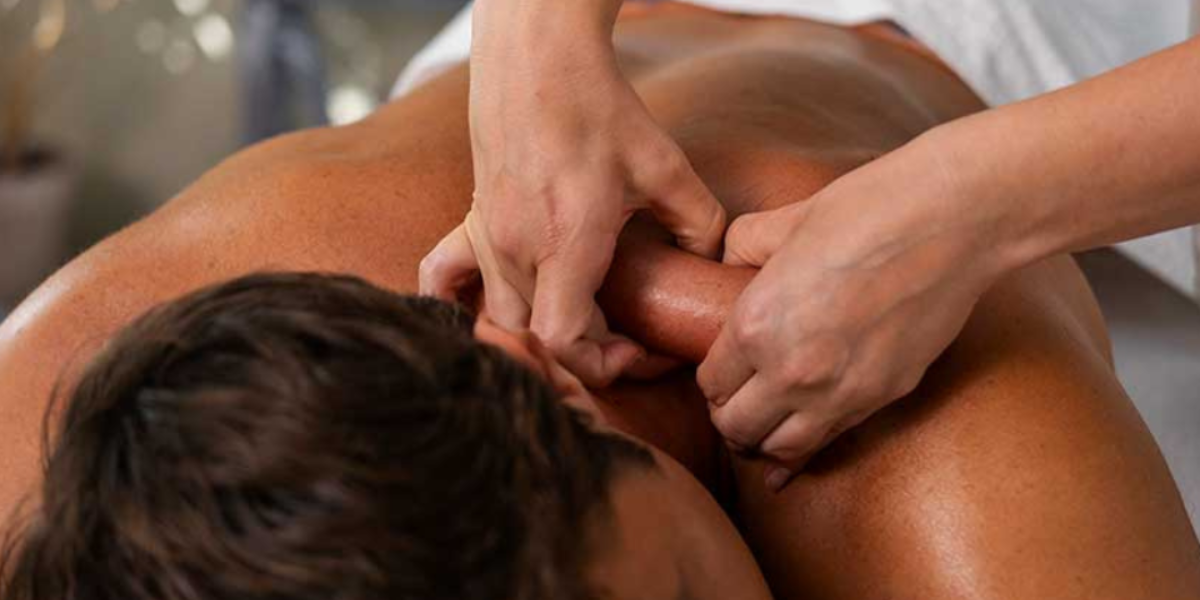
Many people assume that a massage simply feels good, but deep tissue therapy is actually a highly scientific process. It relies on firm, deliberate pressure and slow strokes to manipulate the deeper layers of muscle and connective tissue, known as fascia.
Breaking Down Fascial Adhesions and Knots
When muscles are chronically stressed or injured, they develop fascial adhesions. These are dense, fibrous bands of tissue that stick muscle fibers together, locking them in a state of constant contraction. You might feel these as literal knots in your shoulders. A skilled therapist uses deep, focused pressure to break down these micro-scars. By releasing these sticky adhesions, the muscle fibers can finally slide past one another smoothly, eliminating that tight, restricted feeling.
Flooding the Tissues with Oxygenated Blood
Chronic muscle tension acts like a tourniquet, pinching off local blood vessels and reducing circulation. This lack of blood flow creates a toxic environment where waste products like lactic acid get trapped, causing localized soreness. Deep tissue bodywork physically forces compressed blood vessels open. This action floods the damaged area with fresh, oxygenated blood and essential nutrients, which flushes out cellular toxins and kickstarts the natural healing process of your body.
Clinical Deep Tissue vs. Standard Spa Massage
When you are searching for a therapeutic neck massage Waikīkī has plenty of options, but it is vital to know exactly what you are getting. Most resort and hotel spas offer standard relaxation massages. These sessions typically use long, light, sweeping strokes designed to soothe your nervous system and help you drift off to sleep. While this feels wonderful for stress relief, it will not resolve a structural issue like a misaligned cervical spine or chronic fascial adhesions.
Our clinical approach is completely different from a generic hotel spa treatment. We do not offer cookie-cutter sessions. We treat your massage as a highly targeted medical intervention designed for lasting pain relief. Instead of rubbing the surface of your skin, our therapists map out your specific musculoskeletal issues. We focus directly on the root causes of your chronic discomfort, providing real structural rehabilitation so you can move without pain long after your session ends.
Specialized Techniques Used for Neck Tension
To achieve deep, lasting relief, our therapists use a combination of advanced physical therapy modalities during your session.
- Trigger Point Therapy: Trigger points are hyper-irritable spots buried inside a tight band of muscle. When pressed, they often refer pain to other parts of your body, like sending a shooting ache up into your temples. By applying steady, direct digital pressure to these specific points, we force the nervous system to let go of the muscle spasm.
- Cross-Fiber Friction: Instead of rubbing along the length of the muscle, your therapist will apply pressure across the grain of the muscle fibers. This specific technique is incredibly effective at breaking up stubborn scar tissue and smoothing out hardened fascial adhesions.
- Cervical Spine Stretches: Once the surrounding muscles are sufficiently warmed up and relaxed, your therapist will gently apply manual traction and passive stretches to your neck. This creates space between your vertebrae, takes the pressure off compressed nerves, and instantly improves your range of motion.
Benefits Beyond Immediate Pain Relief
While getting rid of that nagging ache is the main goal, investing in a high-quality deep tissue massage offers several long-term health advantages.
First, you will experience a dramatic increase in your range of motion. You will be able to look over your shoulder, tilt your head side to side, and move fluidly without that familiar, alarming catch in your back.
Second, this therapy significantly reduces the frequency and intensity of migraines and tension headaches. By releasing the pressure on the suboccipital muscles at the very base of your skull, we eliminate the primary physical trigger for these debilitating headaches.
Finally, deep tissue work serves as an excellent tool for posture correction massage. By loosening the tight, shortened muscles in your chest and neck, it becomes much easier for your body to maintain a natural, upright posture. This reduces the daily strain on your spine and stops chronic pain from returning in the future.
Post Care for Your Neck
What you do after your session is just as important as the bodywork itself. A deep tissue treatment initiates a healing response, and you need to support your body through that transition.
Thixotropic Cooling Period
Muscles and fascia have a unique property called thixotropy. This means they become more fluid and pliable when warmed up and worked on, but they will firm back up as they cool down. To get the most out of your treatment, avoid strenuous workouts, heavy lifting, or intense physical activities for at least twenty-four hours after your massage. Give your tissues time to settle into their newly aligned, relaxed state.
Strategic Electrolyte Hydration
You have probably been told to drink water after a massage, but adding electrolytes makes a massive difference. Because deep tissue work flushes out trapped metabolic waste, your body needs plenty of fluids to process and eliminate these toxins. Drinking clean water mixed with natural electrolytes helps rehydrate your muscle cells at a cellular level, which drastically minimizes post-massage soreness.
Gentle Neck Retractions
To maintain your new flexibility, practice simple chin tucks at home. Sit up straight, look directly ahead, and gently pull your chin straight back, as if you are trying to make a double chin. Hold this position for five seconds and release. This simple exercise strengthens the deep muscles in the front of your neck while stretching the back of your neck, helping you maintain a healthy full-body structural alignment.
When to Seek Professional Medical Help

While deep tissue massage is highly effective for muscular strain, it is important to practice smart massage safety tips. Massage therapists are experts in soft tissue, but certain symptoms require the attention of a medical doctor.
You should seek immediate medical evaluation if your neck pain is the result of sudden trauma, such as acute whiplash from a recent car accident. Additionally, if you experience red-flag symptoms like numbness, tingling, or a pins-and-needles sensation shooting down your arms and into your fingers, this could indicate a herniated disc or nerve compression that requires a physician’s diagnosis. If you suffer from severe, unremitting pain that does not change when you move or rest, consult a doctor first to rule out any underlying medical conditions.
Frequently Asked Questions
1. Can deep tissue massage cure neck pain?
While it can provide incredible, long-lasting relief by releasing muscle spasms and scar tissue, it is not a permanent cure if your daily habits remain unchanged. Combining deep tissue massage benefits with routine lifestyle adjustments, like setting up an ergonomic workstation and doing regular stretches, is the best way to keep neck pain away for good.
2. How often should I get a massage for a stiff neck?
For chronic, severe neck tension, we generally recommend scheduling a focused session once a week for three to four weeks. This consistent approach allows us to break down deep, layers-old scar tissue. Once your muscles stabilize and your pain subsides, switching to a monthly maintenance session is usually perfect for preventing future flare-ups.
3. Is it normal to be sore after a deep tissue neck massage?
Yes, it is completely normal to feel mild muscle soreness for a day or two after your appointment. The sensation is very similar to the soreness you feel after an intense workout at the gym. This happens because we are physically altering deeply tight muscle tissues and increasing local circulation. Drinking plenty of water and applying a warm compress can help soothe this temporary discomfort.
4. Can neck massage help with migraines?
Absolutely. Many chronic migraines are triggered or made worse by extreme tension in the upper trapezius and suboccipital muscles. When these specific muscle groups lock up, they compress surrounding nerves and restrict blood flow to the brain. By releasing these stubborn trigger points, we can dramatically reduce both the frequency and severity of your headaches.
Do not let chronic neck pain hold you back from enjoying everything Oahu has to offer. Book your specialized therapeutic neck massage Waikīkī session today and feel the difference that expert, clinical bodywork can make for your health and mobility.