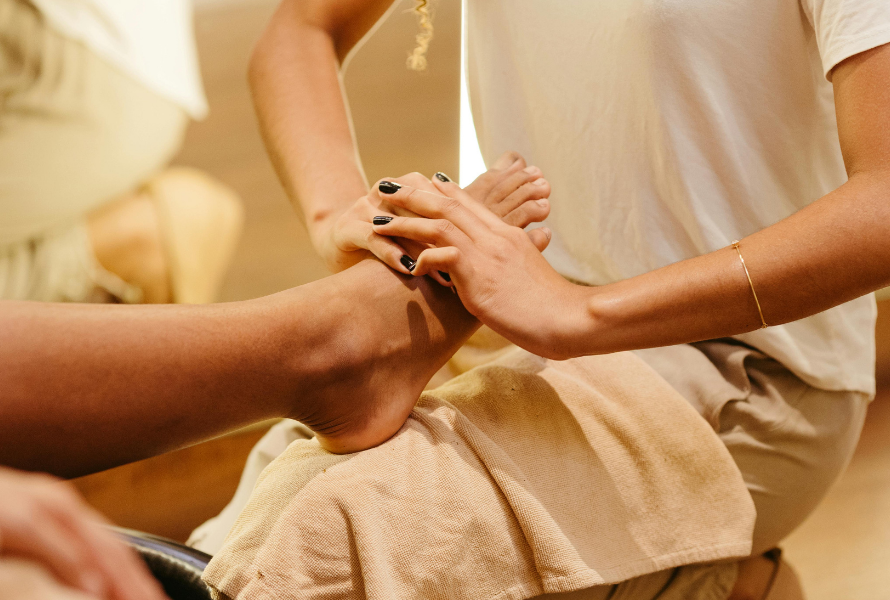
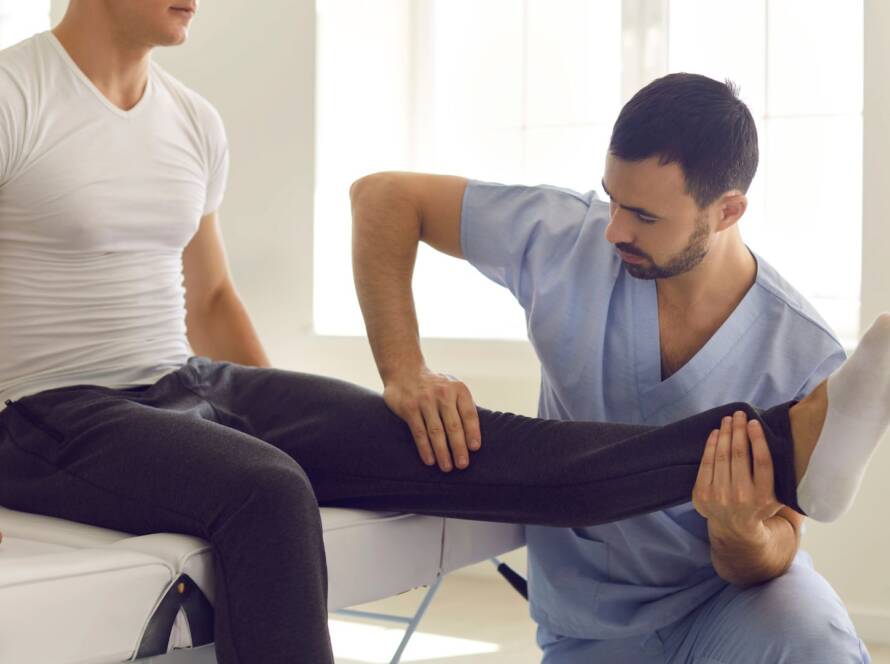
Stepping out of bed in the morning should not feel like walking on sharp glass. Yet, for millions of people, that searing, stabbing pain in the heel is a daily reality.
This discomfort is the classic hallmark of plantar fasciitis, a common foot condition that turns simple walking into a painful chore.
When every step feels like a hurdle, finding an effective way to ease the pain becomes a top priority.
While rest, ice, and proper footwear are important, specialized bodywork offers a powerful path to recovery.
Specifically, targeted foot and lower leg bodywork can directly address the root causes of this discomfort.
Using methods like deep tissue manipulation helps break up scar tissue, relax tight muscles, and bring fresh blood flow to the injured area.
What Is Plantar Fasciitis?
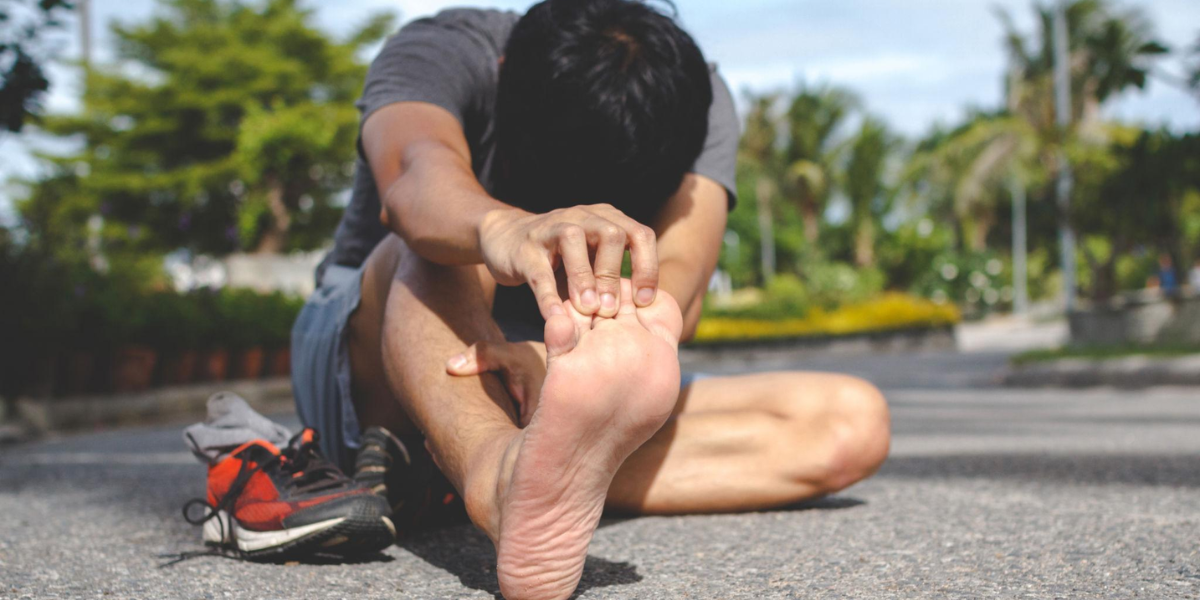
To understand why your heel hurts so badly, it helps to look at the anatomy of your foot. The plantar fascia is a thick, web-like band of tissue that connects your heel bone to the front of your foot. It acts as a natural shock absorber, supporting the arch of your foot and helping you walk, run, and jump.
When this tissue faces too much stress, small tears can develop. Over time, repeated strain leads to irritation, inflammation, and stiffness. This condition is known as plantar fasciitis.
Common Causes
- Repetitive Strain: Running, dancing, or standing for long hours on hard surfaces.
- Biomechanical Issues: Having flat feet, a high arch, or an abnormal walking pattern.
- Tight Muscles: Stiff calves and tight Achilles tendons pull on the heel, placing extra tension on the foot.
- Footwear: Wearing shoes without enough arch support or cushion.
Typical Symptoms
The most recognizable symptom is a sharp pain on the bottom of the foot near the heel. This pain is usually worst during your very first steps in the morning or after sitting for a long time. It often dulls during movement but can return with a vengeance after a long period of standing or exercising.
How Massage Helps Plantar Fasciitis
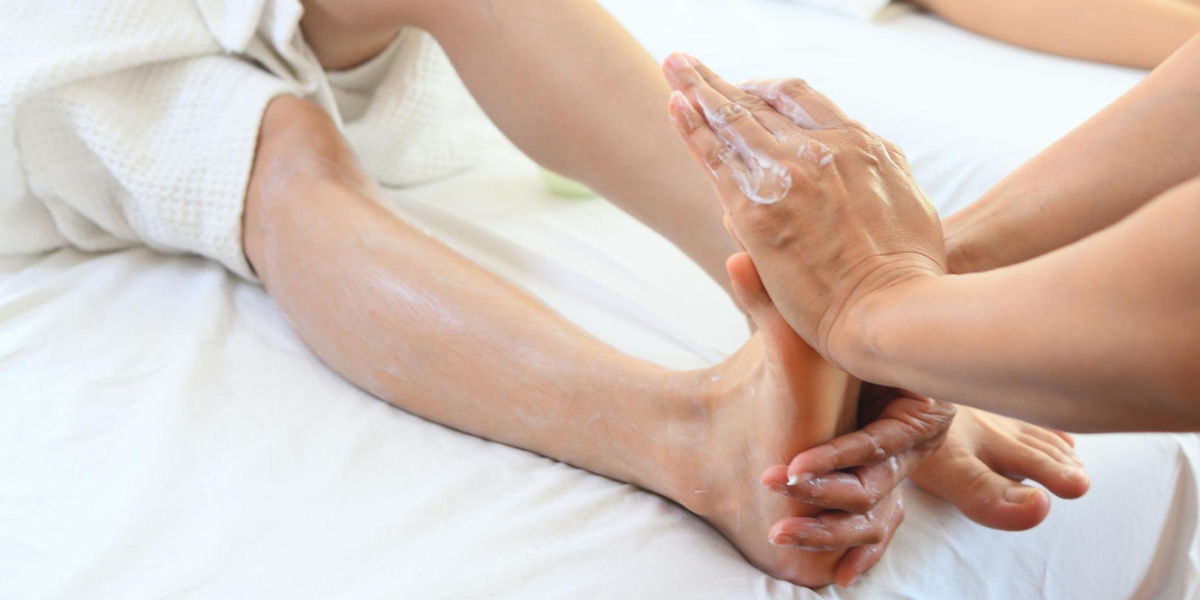
Many people try to treat foot pain by focusing only on the spot that hurts. However, the body works as an interconnected system. A targeted massage for plantar fasciitis doesn’t just soothe the surface; it works deep within the tissue to kickstart the body’s natural healing process.
Mechanisms of Relief
When the plantar fascia is injured, the body creates dense scar tissue as a quick fix. This scar tissue is stiff and lacks flexibility, which causes more pain when it stretches. Deep tissue work applies firm, focused pressure to break down these rigid knots and adhesions.
Additionally, manual therapy dilates blood vessels, which floods the damaged area with nutrient-rich, oxygenated blood. This increased circulation speeds up tissue repair and flushes out inflammatory waste products that build up around the heel. Massage also triggers the nervous system to relax, reducing local muscle spasms and blocking pain signals sent to the brain.
Targeting the Heel, Foot, and Calf Muscles
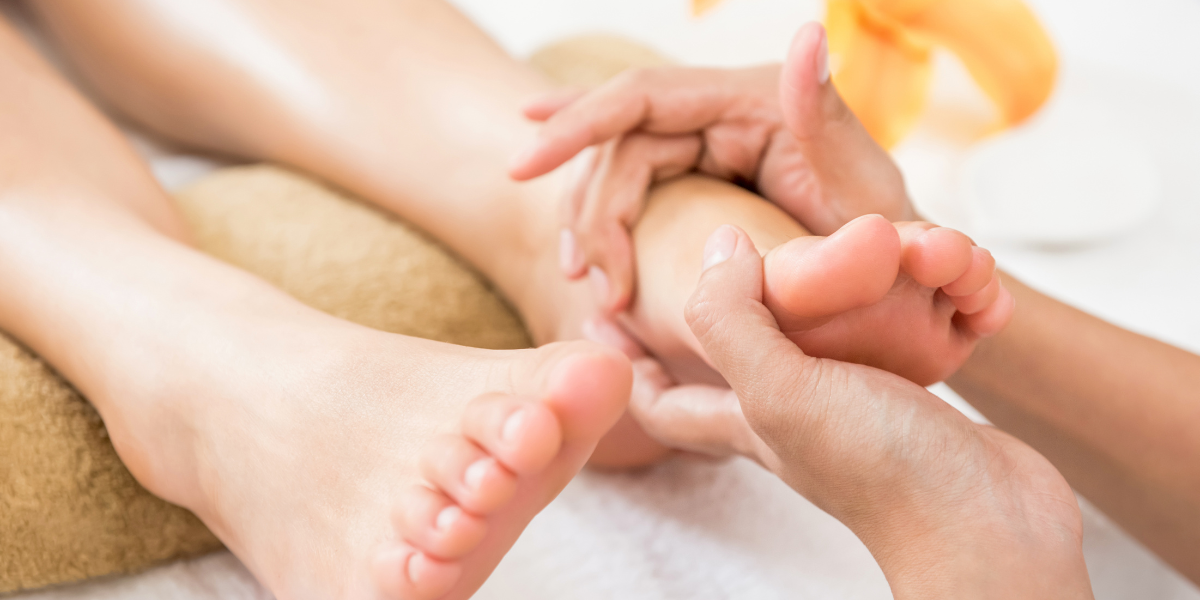
An effective treatment plan looks beyond the heel. True plantar fascia pain relief requires a comprehensive approach that addresses the entire lower leg.
The Role of the Calf Muscles
Your calf muscles, specifically the gastrocnemius and soleus, connect directly to your heel via the Achilles tendon. When these muscles are tight, they pull upward on the heel bone. This constant upward pull puts immense, non-stop tension on the plantar fascia underneath the foot.
By incorporating a dedicated calf massage for plantar fasciitis, a therapist can loosen these tight upper muscles. Relaxing the calves instantly removes the mechanical strain on the bottom of your foot.
The Lower Leg Connection
Muscles in the shin and the sides of the lower leg also help stabilize the ankle and arch. A thorough lower leg massage ensures that no hidden muscle imbalances are throwing off your stride.
Finally, direct plantar fascia massage involves applying slow, deep strokes along the length of the foot arch, as well as cross-friction strokes across the width of the tissue. This multi-directional pressure stretches the fascia, restores flexibility, and coaxes the tight fibers back into their proper, flexible alignment.
Benefits Beyond Pain Relief
While stopping the immediate pain is the main goal, regular manual therapy offers long-term benefits that keep your feet healthy for years to come.
- Improved Mobility and Flexibility: Loosening stiff tendons and fascia allows your ankle and foot to move through their full, natural range of motion.
- Injury Prevention: Flexible muscles absorb shocks much better, protecting your bones and joints from future injuries.
- Better Posture and Alignment: When your feet don’t hurt, you stop limping. This prevents secondary pain in your knees, hips, and lower back caused by a protective, awkward walking gait.
“Targeted massage is the bridge between pain and freedom of movement.”
Comparison With Other Massage Techniques
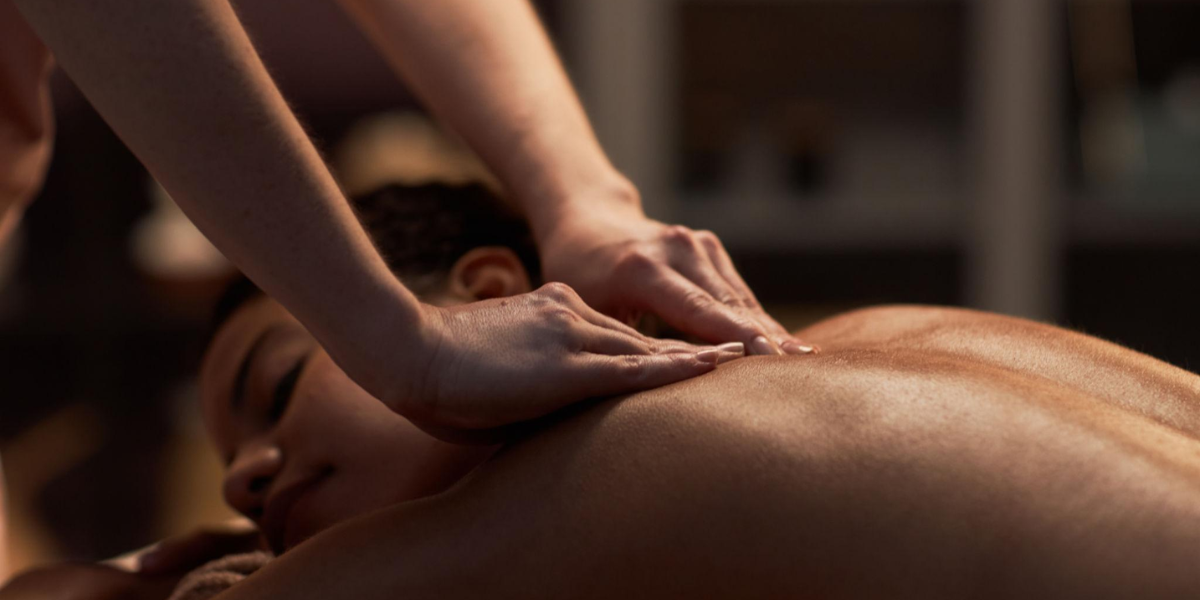
Not all massage modalities are created equal when it comes to treating chronic foot pain. Choosing the right style depends on your pain tolerance and goals.
Deep Tissue Massage
This style uses deep, deliberate pressure to target the inner layers of muscles and connective tissues. It is highly effective for breaking up chronic scar tissue and elongating tight muscles. While it can feel intense, deep tissue massage benefits include long-lasting relief from chronic alignment issues and stubborn knots.
Shiatsu Massage
Originating in Japan, Shiatsu uses rhythmic, targeted finger pressure on specific acupressure points along the body’s energy pathways. One of the main Shiatsu massage benefits is its ability to balance the nervous system, reduce systemic stress, and stimulate localized healing without the intense rubbing motions of Western styles. It is an excellent choice for full-body wellness and targeted pain relief.
Relaxation Massage
A traditional relaxation massage Waikīkī style utilizes long, smooth, gliding strokes with light to medium pressure. While wonderful for reducing general stress, improving surface circulation, and promoting a deep sense of peace, it generally lacks the physical depth needed to break down deep scar tissue in the foot.
Post-Massage Care for Plantar Fasciitis
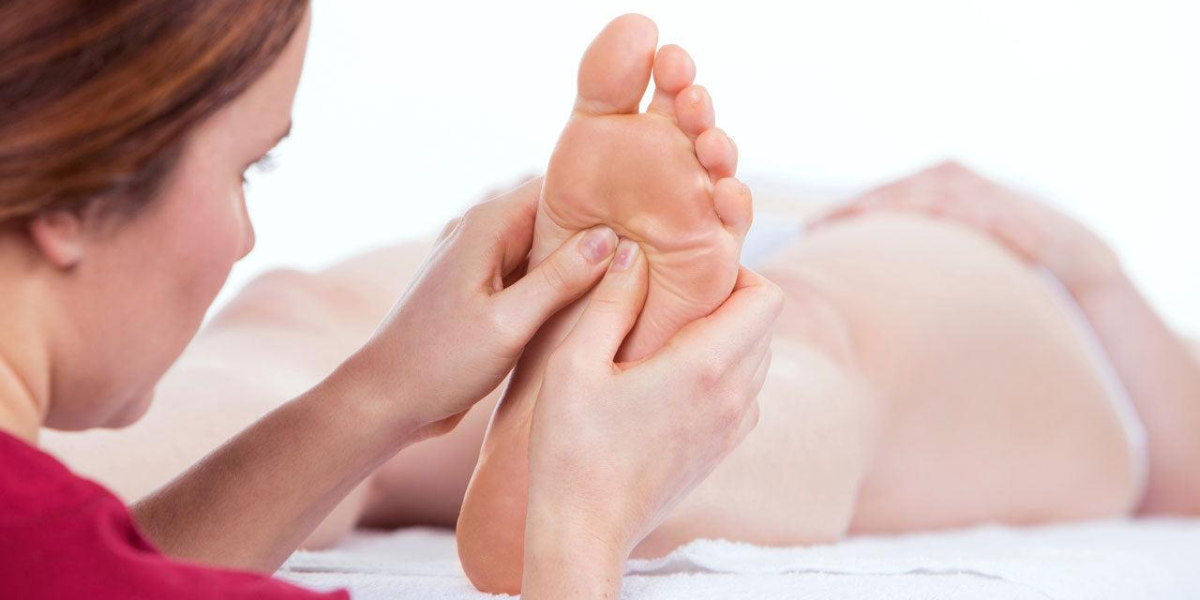
What you do after leaving the massage table is just as important as the session itself. Excellent post massage care helps lock in the benefits, prevents your muscles from tightening back up, and accelerates your healing process.
To get the most out of your treatment, incorporate these practices into your daily routine:
1. Hydrate Well
Drink plenty of water in the hours following your appointment. Deep tissue work releases stagnant metabolic waste from your muscles. Water helps your lymphatic system and kidneys flush these toxins out of your body, preventing muscle soreness the next day.
2. The “Frozen Water Bottle” Roll
If you experience mild soreness after a deep friction session, combine massage with cryotherapy (cold therapy). Freeze a standard plastic water bottle. Sit in a comfortable chair, place the frozen bottle under your arch, and slowly roll your foot back and forth over it for 10 to 15 minutes. This reduces localized inflammation while providing a gentle myofascial release.
3. Daily Calf and Arch Stretching
The flexibility gained during your massage will quickly vanish if you do not maintain it. Perform these three stretches daily:
-
The Towel Stretch: Sit on the floor with your legs straight out in front of you. Loop a rolled-up towel around the ball of your foot. Keeping your knee straight, gently pull the towel toward your body until you feel a stretch in your calf and arch. Hold for 30 seconds.
-
The Wall Calf Stretch: Stand facing a wall and place your hands flat against it. Step one foot back, keeping the heel flat on the floor and the leg straight. Lean forward into the wall to stretch the upper calf (the gastrocnemius). Next, slightly bend that back knee while keeping the heel flat to stretch the lower calf (the soleus).
-
The Toe Stretch: Sit down and cross your affected foot over your opposite knee. Grab your toes and gently pull them backward toward your shin until you feel the plantar fascia stretch across the bottom of your foot.
4. Wear Supportive Footwear Immediately
After a massage, your foot muscles are incredibly relaxed and slightly vulnerable. Do not walk barefoot on hard tile or hardwood floors. Step immediately into supportive sandals with arch support or well-cushioned running shoes to protect the freshly loosened fascia.
When to Seek Professional Help
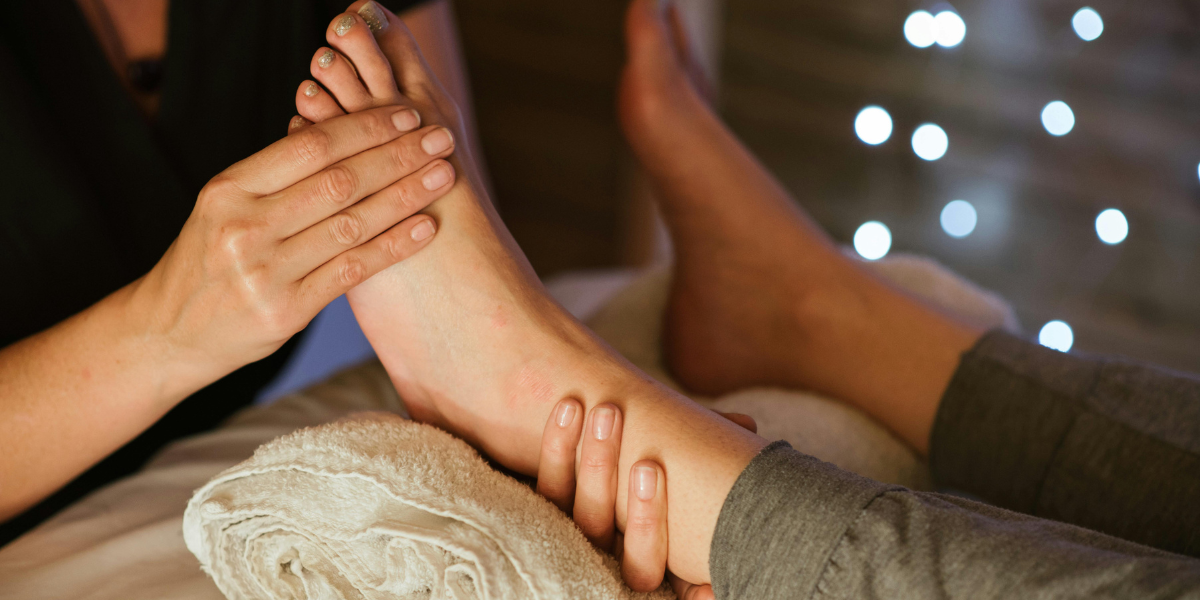
While home remedies like tennis ball rollers and ice can provide temporary comfort, chronic heel pain usually requires professional care. If your pain makes it difficult to perform daily tasks, or if it persists for more than a few weeks despite rest, it is time to consult an expert.
Professional massage therapists understand human anatomy deeply. They know exactly how to navigate the delicate structures of the foot without causing further damage, ensuring your recovery is safe, steady, and effective.
“Foot pain often starts upstream – treat calves for complete relief.”
FAQ Section
1. Can massage help plantar fasciitis?
Yes. Massage therapy helps by breaking up painful scar tissue, improving local blood flow, reducing inflammation, and relaxing tight surrounding muscles that contribute to foot strain.
2. What is the best time of day to massage feet?
While a massage at any time is helpful, gently massaging your feet in the evening can relax your muscles before sleep. Alternatively, doing a very light, gentle stretch and massage in the morning can reduce those painful first steps of the day.
3. How often should I get a plantar fascia massage?
For acute pain, a weekly session for three to four weeks is often recommended. Once the pain subsides, moving to a bi-weekly or monthly maintenance schedule helps keep the tissues flexible and prevents the condition from returning.
4. Is deep tissue or Shiatsu better for plantar fascia pain?
Both offer excellent benefits. Deep tissue massage is ideal for physically breaking down thick scar tissue and lengthening tight calf muscles. Shiatsu is fantastic for reducing nerve sensitivity, balancing energy, and triggering deep systemic healing. Combining these approaches often yields the best results.
5. Does calf massage reduce plantar fascia tension?
Absolutely. The calf muscles pull directly on the heel via the Achilles tendon. Loosening the calf muscles removes the upward tension on the heel, which immediately reduces the strain on the plantar fascia.
6. How long does it take to feel relief from plantar fascia massage?
Many people notice a reduction in stiffness and pain after their very first session. However, chronic cases that have developed over months typically require regular sessions over a few weeks to achieve lasting, long-term relief.
7. Can You Cure Plantar Fasciitis in One Week?
No. Plantar fasciitis involves structural micro-tears and chronic inflammation that take time to mend. While a single week of dedicated rest and massage therapy can significantly lower your pain levels, complete tissue healing generally takes several weeks of consistent care.
Experience Relief from Morning Heel Pain
Don’t let plantar fasciitis keep you off your feet. Book a customized Deep Tissue or Shiatsu foot massage at Shiatsu Massage Center Waikīkī so our experts can release tight calves, break down scar tissue, and restore your mobility.