When you feel stressed, sluggish, or physically off, it is natural to look for ways to understand what is happening inside your body. Among the many holistic treatments available today, foot and hand reflexology has skyrocketed in popularity. It feels deeply relaxing, and many people report feeling a sense of renewal after a session.
However, because practitioners work with maps of the body located entirely on the feet, hands, and ears, a massive question often comes up: Can reflexology diagnose illness?
Some people believe that a tender spot on the foot means a specific organ is failing. Others wonder if a skilled therapist can spot a disease before a medical doctor can. If you are exploring alternative therapies, it is crucial to separate comforting myths from factual reality. This guide dives deep into the science, history, and real world benefits of reflexology, helping you understand exactly what this therapy can and cannot do for your health.
What Is Reflexology?
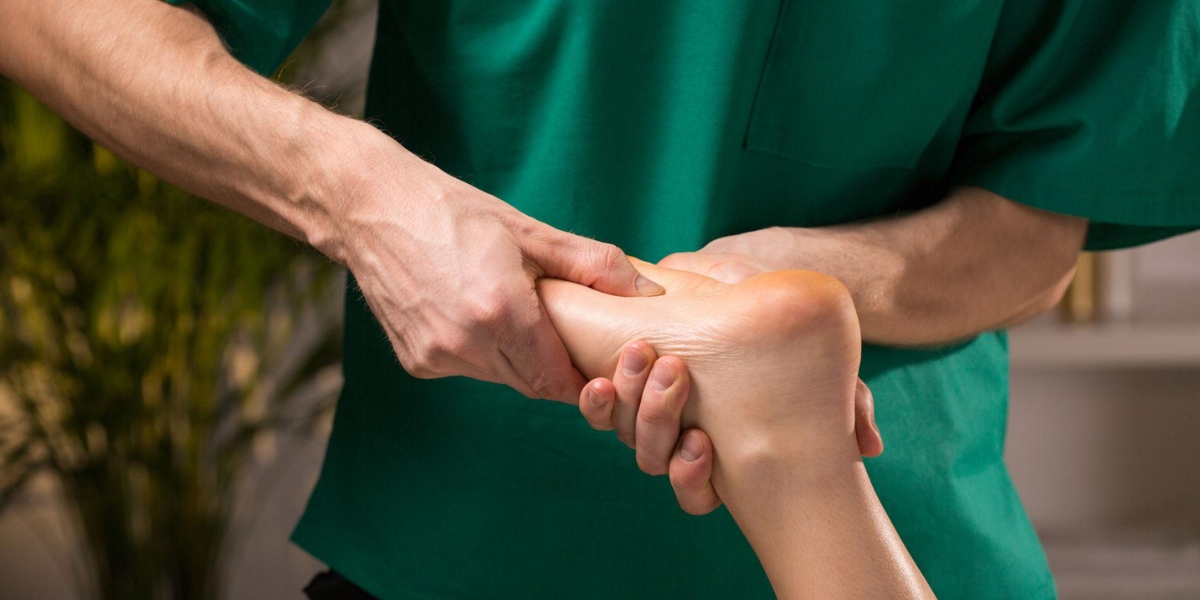
To understand how reflexology relates to your health, it helps to look at its roots. Reflexology is a non-invasive, holistic therapy that involves applying different amounts of pressure to specific points on the feet, hands, and ears. It operates on the philosophy that these extremities act as a mini map for the entire body.
A Rich History
While modern reflexology became structured in the early twentieth century, its origins stretch back thousands of years. Early forms of zone therapy and foot pressure application were practiced in ancient Egypt, China, and India. In the West, Dr. William Fitzgerald introduced zone therapy to the medical community in 1915, dividing the body into ten longitudinal zones. Later, a nurse and physiotherapist named Eunice Ingham refined this practice, mapping the entire body onto the feet. Her work forms the foundation of the foot reflexology benefits we see today.
The Holistic Philosophy
Unlike conventional medicine, which often treats an isolated symptom, reflexology views the body as a fully interconnected ecosystem. A professional therapist uses their thumbs, fingers, and hands to stimulate reflex zones. The goal is not to fix a single body part, but to encourage the body to return to a natural state of balance, known as homeostasis.
How Reflexology Works
If a therapist is only pressing on your foot, how does that impact the rest of your body? The practice relies on a few key theories that explain the connection between a pressure point and an internal organ.
- Nerve Pathways: Your feet and hands contain thousands of sensitive nerve endings. When a practitioner applies pressure to these points, it sends a calming signal through the nervous system to the corresponding organs and muscle groups.
- The Concept of Meridians: Similar to acupuncture and acupressure, traditional Eastern approaches suggest that life energy flows through invisible channels in the body. If these channels get blocked, illness or discomfort can follow. Stimulating reflex points clears these blockages, keeping your energy moving smoothly.
- Fascial Tension and Referred Pain: Modern anatomy looks at the nervous system and connective tissues. Tightness in one area can cause discomfort elsewhere. By releasing fascial tension in the foot, reflexology can impact referred pain pathways, soothing a completely different area of the body.
Can Reflexology Detect Disease?
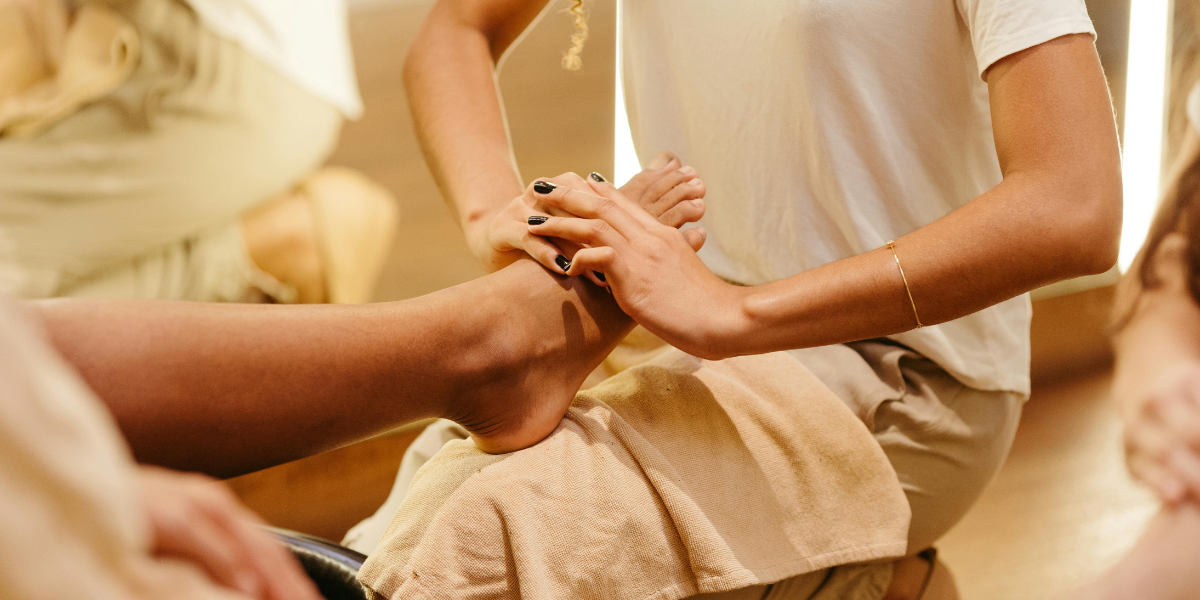
Now let us address the core question: Can reflexology diagnose illness?
The short, definitive answer is no. Reflexology cannot diagnose medical conditions, illnesses, or specific diseases. A reflexologist is not a medical doctor and cannot provide a clinical diagnosis.
While some anecdotal stories suggest that a therapist found a tender spot that later matched a medical issue, science views this differently. Here is a breakdown of the scientific perspective versus common anecdotal claims:
- Tenderness Does Not Equal Disease: If a therapist presses a point on your foot that connects to your stomach and you wince, it does not mean you have a stomach ulcer or disease. Tenderness in a foot reflex zone usually indicates a localized block, muscle tension, or poor circulation in that part of the foot itself.
- Lack of Diagnostic Tools: True medical diagnosis requires blood work, imaging like X-rays or MRIs, and biopsy tests. Reflexology lacks the tools and empirical data required to pinpoint a specific medical pathology.
- The Role of Stress: A sensitive point often correlates to where your body holds stress. For example, if you are anxious, your shoulder muscles might tighten, making the corresponding shoulder reflex point on your foot feel highly sensitive.
- What Therapists Actually Feel: Experienced practitioners can detect changes in the tissue, such as tiny granular textures, tightness, or fluid retention in the feet. They use this information to identify areas of general imbalance, not to name a disease.
Benefits Beyond Diagnosis
Just because reflexology cannot diagnose an illness does not mean it is not highly effective. The actual therapeutic advantages of this practice are backed by both science and centuries of use. When you stop looking at it as a diagnostic tool, you can truly appreciate the incredible reflexology benefits for your mind and body.
1. Exceptional Stress Relief
The modern world keeps many of us in a constant state of fight or flight. Reflexology acts as a reset button for your nervous system. By stimulating the feet, it encourages the body to enter a deeply relaxed state, shifting you into the parasympathetic nervous system. This transition is essential for stress relief and sleep quality.
2. Improved Circulation and Blood Flow
Applying structured pressure to the hands and feet opens up neural pathways and optimizes blood circulation. Better circulation means that oxygen and vital nutrients are distributed more efficiently to your vital organs, while metabolic waste is filtered out of your system much faster.
3. Effective Pain Management
Many people use reflexology to manage chronic pain, including migraines, back aches, and arthritis discomfort. It works by triggering the release of endorphins, which are the body’s natural painkillers. It also helps disrupt pain signals before they reach the brain.
4. Enhanced Natural Detoxification
By stimulating the reflexes associated with the kidneys, colon, and liver, reflexology supports your body’s natural elimination processes. This can leave you feeling lighter, more energetic, and less bloated.
Common Myths About Reflexology
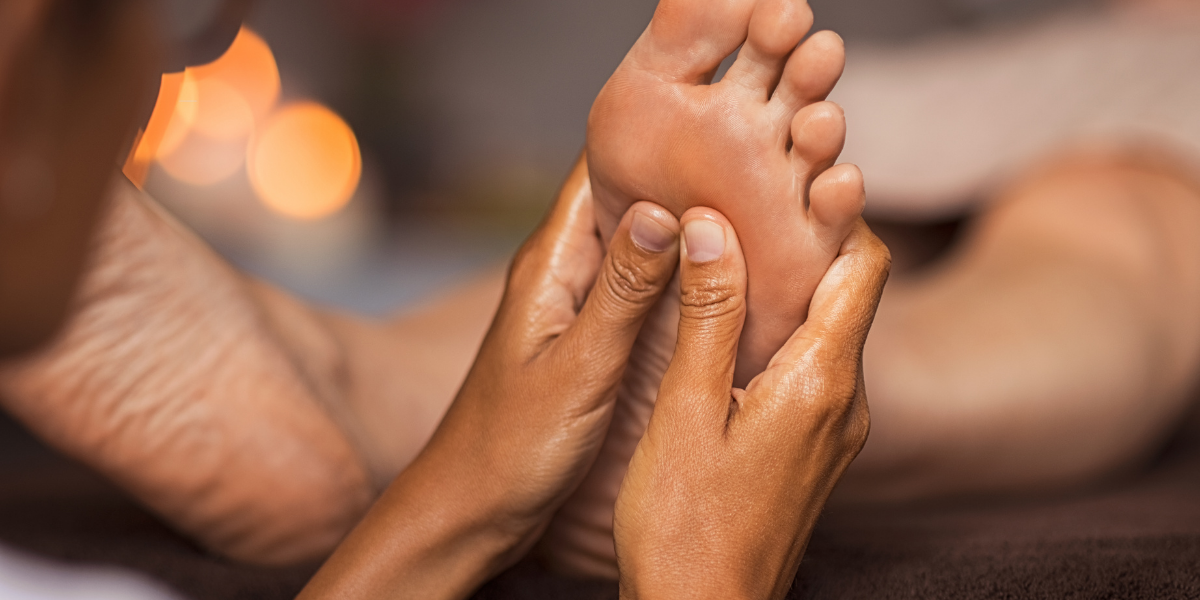
Because holistic health can sometimes be misunderstood, several misconceptions have grown around the practice. Breaking down these reflexology myths helps ensure you approach your wellness journey with realistic expectations.
- Myth 1: If a spot hurts, that organ is sick. As mentioned, sensitivity usually points to localized physical tension or an energy imbalance, not a medical emergency.
- Myth 2: It can cure major illnesses. Reflexology does not cure cancer, diabetes, or infections. It is a supportive therapy designed to help your body heal itself and handle symptoms better.
- Myth 3: It is just a standard foot massage. While both feel wonderful, a relaxation massage focuses on rubbing muscles to release localized tension. Reflexology specifically targets precise reflex maps to create a systemic response across the whole body.
- Myth 4: Pregnant women should avoid it entirely. While certain pressure points can induce labor if stimulated aggressively, a certified therapist knows exactly how to provide a safe, soothing session that helps with pregnancy aches and swelling.
“Foot pressure points can relieve tension, improve circulation, and support overall health.”
When to Combine Reflexology With Medical Care
The best approach to personal wellness is an integrated one. Reflexology should never be used to replace a visit to your primary care doctor, prescription medication, or necessary medical surgeries. Instead, it shines brightest as a complementary alternative therapy.
If you are dealing with a chronic condition or recovering from an injury, always talk to your doctor first. Let your reflexologist know about your medical history too. When used together, conventional treatments handle the direct physical illness, while reflexology addresses the emotional stress, muscle tension, and fatigue that often go hand in hand with being unwell.
If you are a beginner looking to explore bodywork, understanding the differences between treatments can help you choose the right path. For instance, learning about first time massage tips or comparing deep tissue massage benefits alongside reflexology ensures you get exactly what your body needs.
“Wellness starts with awareness – reflexology helps you feel better, not replace a doctor.”
Reflexology at Shiatsu Massage Center Waikīkī
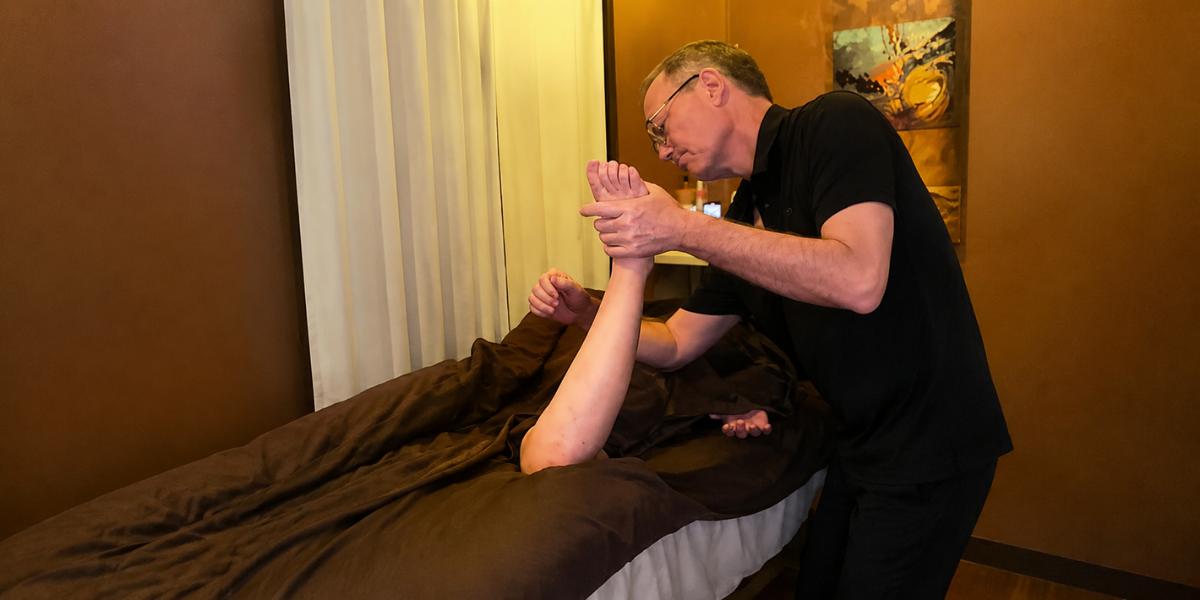
When you are ready to experience the balancing effects of this therapy, the quality of your practitioner matters. For those living in or visiting Honolulu, finding an authentic, tranquil space is key to unlocking the true power of touch.
At Shiatsu Massage Center Waikīkī, our trained therapists focus on safety, comfort, and professional expertise. We understand the delicate anatomy of the feet and hands, and we customize every session to match your comfort level. Whether you are seeking a traditional Shiatsu massage Waikīkī style, looking into relaxation massage benefits, or wanting focused reflexology therapy Waikīkī services, our team is dedicated to your health.
We prioritize a pristine environment where you can completely let go of daily worries. Our practitioners can guide you through your session and provide essential post massage care tips to ensure the relaxing benefits last long after you leave the table.
Conclusion & Booking CTA
To summarize, reflexology cannot diagnose illness, and it should never be treated as a crystal ball for your health. True medical diagnostics belong in the hands of trained medical professionals. However, as a tool for lowering stress, boosting circulation, easing chronic pain, and restoring emotional harmony, reflexology is deeply powerful.
Investing in your wellness means giving your body the space to rest and repair. By pairing modern medicine with the time tested benefits of foot reflexology, you build a balanced routine that keeps you feeling your absolute best.
Our trained therapists use reflexology to relieve stress, improve circulation, and complement your wellness routine. Ready to experience reflexology for relaxation and wellness? Reserve your appointment at Wellness Massage Center Waikīkī today.