We live in a world that rarely hits the pause button. Between demanding jobs, endless digital notifications, and the daily hustle of modern life, our bodies are constantly bombarded with stressors. Over time, this chronic tension builds up, leaving us feeling exhausted, anxious, and physically tight. Many people view a massage as a simple luxury or a sporadic treat to pamper themselves. However, the truth is that touch is a biological necessity.
When you get a massage, the benefits go far deeper than just soothing sore muscles. Massage therapy acts as a direct communication channel to your brain. By understanding the relationship between massage and the nervous system, we can see how strategic bodywork serves as a profound physical reset, helping the body heal from the inside out.
Understanding the Nervous System
To appreciate the true nervous system benefits of massage, it helps to understand how this intricate network operates. Your nervous system is the master control center of your body, constantly sending and receiving messages to regulate everything from your heartbeat to your thoughts. It is divided into two primary parts.
The Central Nervous System
The central nervous system consists of the brain and the spinal cord. It acts as the main processing unit, interpreting information received from the rest of the body and sending out instructions on how to react.
The Peripheral Nervous System
The peripheral nervous system consists of the vast network of nerves that branch out from the spinal cord to your muscles, skin, and internal organs.
When a massage therapist applies pressure to your body, they are interacting directly with the peripheral nervous system. The nerves in your skin and muscles instantly transmit signals up to the central nervous system, changing how your brain perceives stress, pain, and tension.
How Massage Influences the Autonomic Nervous System: The Science

The peripheral nervous system houses a vital component called the autonomic nervous system, which controls involuntary bodily functions like digestion, heart rate, and breathing. The autonomic nervous system operates via two opposing branches.
- The Sympathetic Nervous System: This is your fight or flight response. It activates when you are stressed, preparing your body to face a perceived threat by increasing your heart rate and flooding your system with adrenaline.
- The Parasympathetic Nervous System: This is your rest and digest response. It lowers your heart rate, promotes digestion, and allows your body to heal and recover.
In modern society, many people are stuck in a chronic state of fight or flight. This is where a nervous system reset massage becomes essential.
When a therapist massages your skin, they stimulate specialized sensory receptors called mechanoreceptors. These receptors detect pressure, vibration, and stretching. When activated, they send immediate calming signals to the brain, effectively telling the sympathetic nervous system to stand down.
At the same time, this stimulation activates the Vagus Nerve, the longest nerve in the autonomic nervous system. The Vagus Nerve plays a central role in triggering a parasympathetic shift. As the Vagus Nerve is stimulated, your heart rate slows, your blood pressure drops, and your body physically forces itself to calm down and enter a deep state of recovery.
Massage Techniques That Calm Nerves
Different massage styles interact with the nervous system in unique ways. Depending on your current stress levels and physical needs, certain techniques can target specific nerve pathways to maximize your relief.
Swedish Massage
This classic style utilizes long, gliding strokes and gentle kneading. The primary focus of a Swedish style is to provide relaxation massage benefits by gently soothing the superficial mechanoreceptors in the skin, making it an excellent choice for general stress relief.
Deep Tissue Massage
For those dealing with chronic tension, a deep tissue approach is highly effective. The deep tissue massage benefits include reaching the deeper layers of muscle and connective tissue. By applying firm, slow pressure, therapists can achieve fascial release, which removes the physical restrictions that might be irritating local nerves.
Shiatsu Massage
Rooted in traditional Japanese bodywork, Shiatsu uses rhythmic finger pressure along specific pathways of the body. The Shiatsu massage benefits focus on balancing energy and nerve flow. By targeting specific pressure points, Shiatsu helps clear blockages in the nervous system, restoring the body to its natural equilibrium.
Reflexology
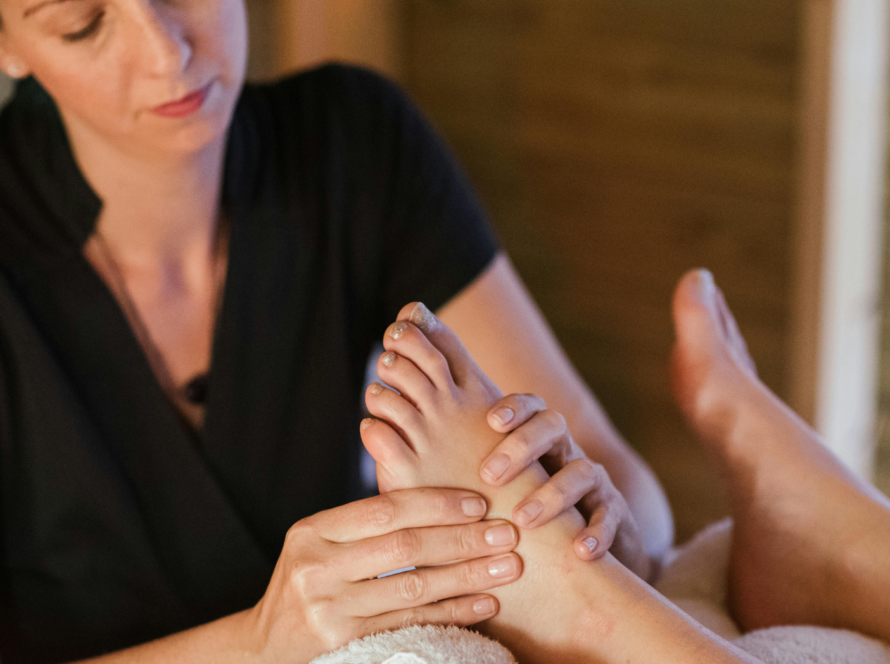
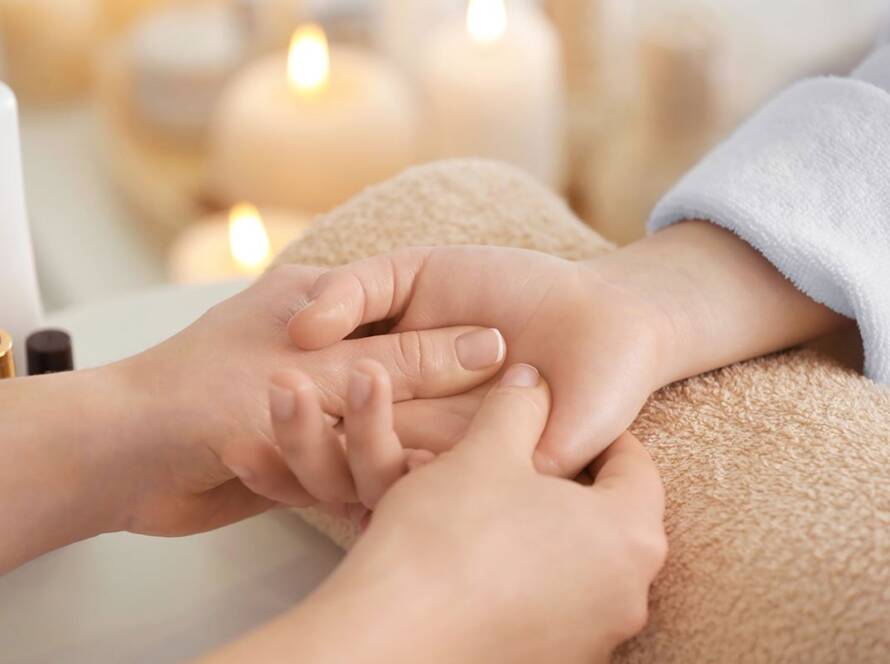
This technique involves applying pressure to specific points on the feet, hands, or ears. These points correspond to different organs and systems throughout the body. Reflexology acts as a remote control for the nervous system, sending calming signals across long nerve pathways to promote full body harmony.
Benefits of Nervous System Modulation Through Massage
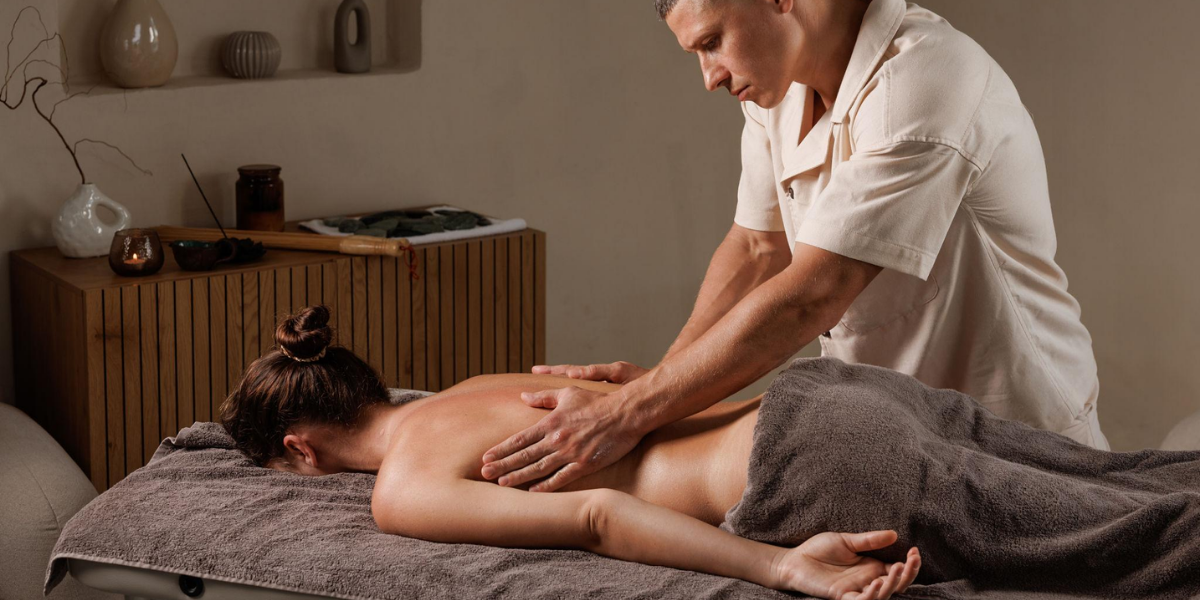
When you receive a targeted stress relief massage, the physiological shift from a sympathetic state to a parasympathetic state brings about a wave of whole body health benefits.
1. Reduced Stress and Cortisol Levels
Chronic stress keeps your cortisol levels high, which can impair your immune system and memory. Massage therapy has been scientifically shown to decrease cortisol levels while simultaneously boosting serotonin and dopamine, the neurotransmitters responsible for happiness and relaxation.
2. Lowered Blood Pressure
As the parasympathetic nervous system takes over, blood vessels dilate, allowing blood to flow more freely. This reduction in vascular resistance naturally helps lower blood pressure and eases the workload on your heart.
3. Improved Sleep and Circadian Rhythm
If you struggle with insomnia, your nervous system may be too wound up to rest. By calming the brain and encouraging the production of melatonin, a regular relaxation massage Waikīkī session can drastically improve your sleep quality.
4. Enhanced Digestion and Immunity
When you are stressed, your body diverts energy away from digestion and immune function. Shifting into a rest and digest state allows your digestive organs to function optimally and helps your lymphatic system defend against illness.
Massage for Chronic Pain and Nerve Health
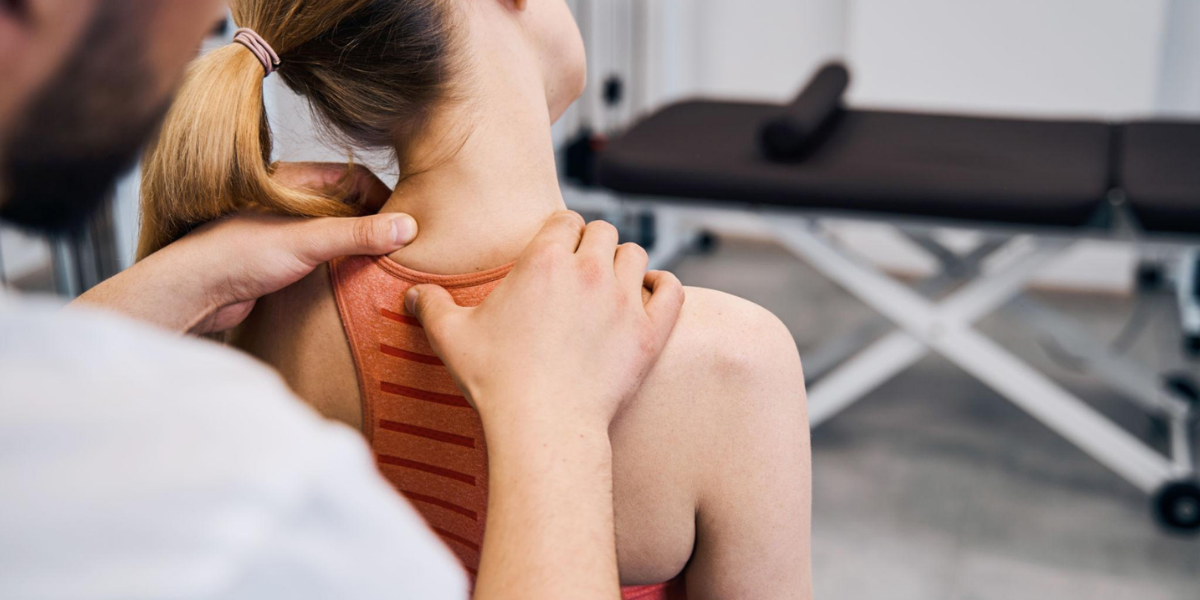
Beyond simple relaxation, massage therapy plays a crucial role in managing discomfort. If you are seeking a massage for pain relief, understanding what does massage do to muscles can clarify why it is so effective for nerve health.
When muscles are chronically tight or overworked, they can experience painful spasms. These tight muscle fibers can physically trap, pinch, or compress nearby nerves, leading to issues like sciatic tension, tingling, or referred pain down the limbs.
“Massage isn’t just about muscles, it speaks directly to your nervous system.”
By applying targeted pressure, a massage therapist helps release these muscle spasms, immediately relieving peripheral nerve compression. While massage therapists do not diagnose or cure medical conditions like neuropathy, manual therapy safely creates space around compressed nerves, improving circulation and allowing the nervous system to heal itself naturally.
Practical Tips: Maximize Nervous System Recovery After Massage

The care you give your body after a session is just as important as the treatment itself. To prolong the after effects of massage and maintain your peaceful state, incorporate these post massage care habits.
- Hydrate with Electrolytes: Massage coaxes metabolic waste out of your muscles. Drinking plenty of water infused with electrolytes helps flush these toxins out and replenishes your nerve cells.
- Rest Your Central Nervous System: Avoid heading straight back into a loud, stressful environment. Turn off your phone, dim the lights, and give your mind a break from digital stimulation.
- Practice Gentle Stretches: Light, easy movement helps maintain the flexibility achieved during your session and prevents muscles from tightening back up around your nerves.
- Embrace Mindfulness: Take a few deep, diaphragmatic breaths. Deep breathing keeps the Vagus Nerve engaged, helping you stay in that coveted parasympathetic state for hours after your session.
Why Honolulu Residents Choose Us for Nervous System Reset & Recovery
If you are looking for a true nervous system massage experience in Hawaii, Shiatsu Massage Center Waikīkī offers a sanctuary for genuine healing.
Our team consists of highly trained, expert therapists who understand the intricate relationship between touch and neurological health. We do not believe in a one size fits all approach. Every session is fully customized to address your unique clinical needs, whether you are dealing with chronic stress, athletic exhaustion, or muscle tension.
Frequently Asked Questions
1. Can massage help regulate the nervous system?
Yes. By stimulating the mechanoreceptors in your skin and muscles, massage therapy actively reduces fight or flight activity and shifts your body into a calm, parasympathetic state.
2. Which types of massage are best for nervous system health?
Swedish massage is excellent for general relaxation, while deep tissue helps relieve nerve compression. For a comprehensive energy and nerve reset, a Shiatsu massage for nerves is highly recommended.
3. How soon will I feel the effects on my nerves after a massage?
Many people experience a noticeable drop in stress and physical tension within the first few minutes of a session. These calming effects can last for several days upward of a week.
4. Can massage help with anxiety and stress?
Absolutely. Massage directly lowers cortisol levels while increasing feel good neurotransmitters like serotonin and dopamine, making it a powerful tool for managing anxiety.
5. Is Shiatsu massage good for nerve pain?
Yes. Shiatsu applies targeted pressure to release the severe muscular tension and spasms that frequently cause uncomfortable nerve compression.
Conclusion
“A calm nervous system is the foundation for better sleep, mood, and overall health.”
Prioritizing your nervous system health is not an indulgence, it is an essential investment in your long term wellness. Whether you are seeking a first time massage or looking to deepen your routine for massage for emotional healing, our expert team is here to guide your recovery.