Walking into a massage clinic can sometimes feel like looking at a menu in a foreign language. You know you’re “hungry” for relief, but with terms like Shiatsu, Lomi Lomi, and Deep Tissue staring back at you, it’s hard to know which one will actually hit the spot.
Choosing the right massage technique isn’t just about what sounds the most relaxing; it’s about matching the therapy to your body’s specific “why.” Are you trying to recover from a marathon, melt away the stress of a 60-hour work week, or manage chronic lower back pain? Each technique serves a different purpose.
In this guide, we’ll break down the most popular styles and help you identify exactly which one will leave you feeling like the best version of yourself.
Why Choosing the Right Massage Technique Matters
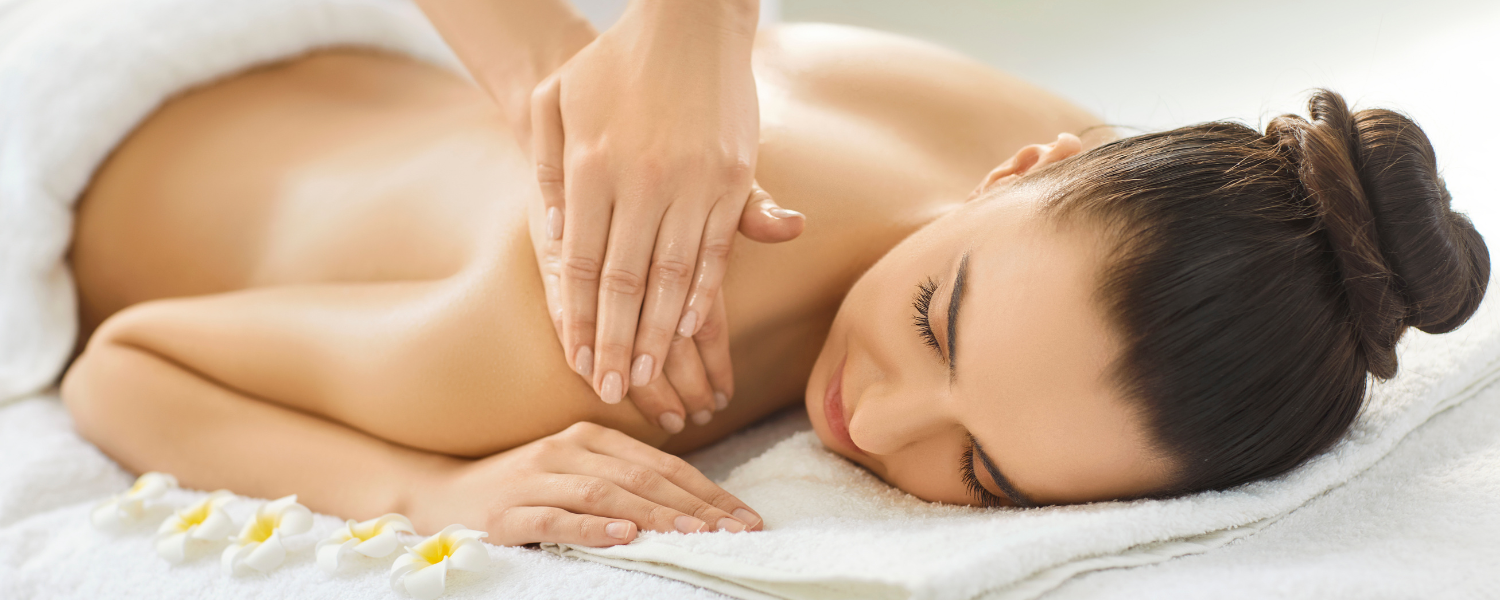
Think of massage therapy as a toolbox. A hammer is great for a nail, but it’s terrible for a screw. Similarly, if you have a sports injury and you book a light relaxation massage, you’ll likely leave feeling under-serviced. Conversely, if you are feeling emotionally drained and sensitive, a heavy-pressure deep tissue session might leave you feeling bruised and more stressed than when you started.
Picking the correct massage technique ensures:
- Efficiency: You get the results you want in a single session.
- Safety: You avoid aggravating existing injuries.
- Value: You spend your time and money on a treatment that addresses your specific physiological needs.
Common Types of Massage Techniques
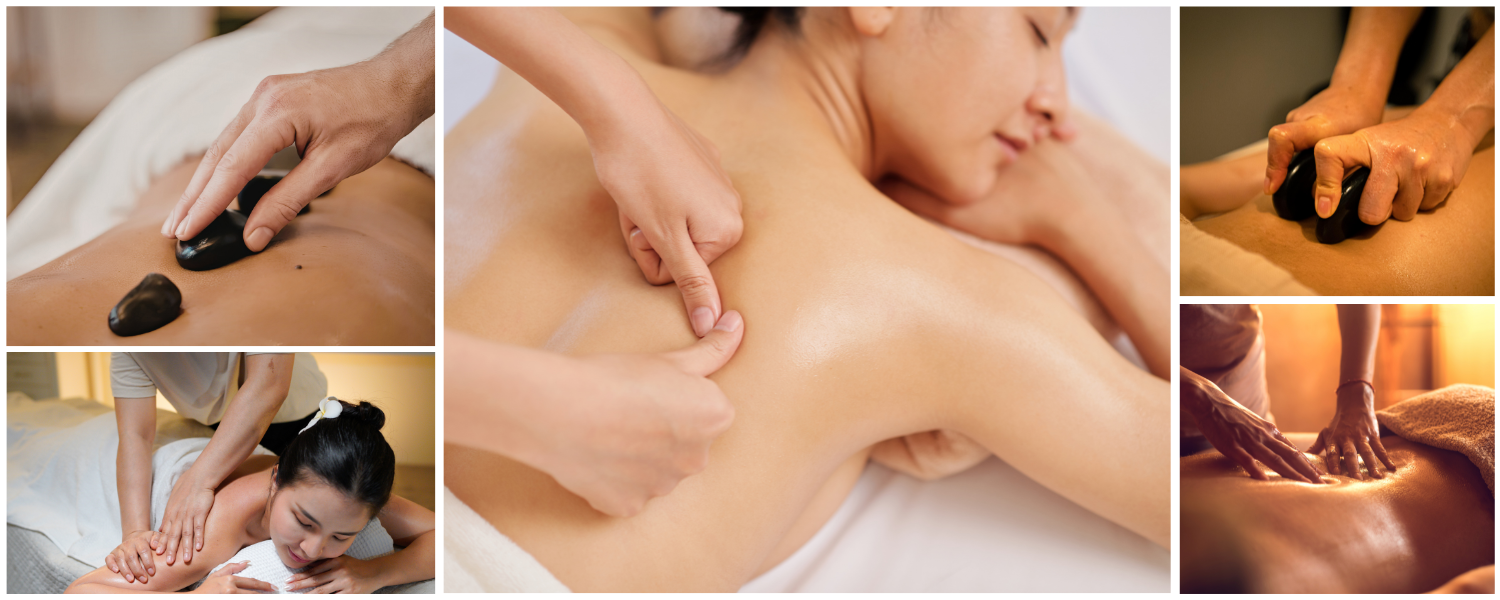
To make an informed choice, you first need to understand the “Big Five” of the massage world. Here is a look at the most popular options available at professional clinics like the Shiatsu Massage Center.
1. Shiatsu Massage
Originating from Japan, the Shiatsu massage technique focuses on the body’s energy flow (Qi). Instead of using oils and long strokes, the therapist uses their fingers, thumbs, and palms to apply rhythmic pressure to specific “acupressure” points.
- Best for: Balancing energy, improving sleep, and relieving tension-based headaches.
2. Deep Tissue Massage
The Deep Tissue massage technique is the “heavy lifter” of the group. It uses slow, firm strokes to reach deeper layers of muscle and connective tissue (fascia). It’s designed to break down “knots” or adhesions that cause pain and limit movement.
- Best for: Chronic aches, stiff necks, and tightness in the lower back.
3. Relaxation & Foot Massage
Often referred to as Swedish massage or reflexology-based foot work, this is the gold standard for pure relaxation massage. It uses long, gliding strokes and gentle kneading to calm the nervous system.
- Best for: Anxiety, general wellness, and those new to massage.
4. Sports Massage
Sports massage for athletes is highly functional. It’s not about “zen”; it’s about performance. It focuses on muscle groups used in specific sports and often incorporates stretching and joint mobilization.
- Best for: Increasing flexibility, preventing injury, and flushing out metabolic waste after an event.
5. Lomi Lomi Massage
A traditional Lomi Lomi massage is a Hawaiian healing practice. It is unique because the therapist uses their forearms and hands in long, continuous, flowing strokes that feel like gentle waves moving over the body. It’s often described as a “holistic” experience for both the mind and body.
- Best for: Emotional release and total body integration.
How to Choose the Right Massage for Stress Relief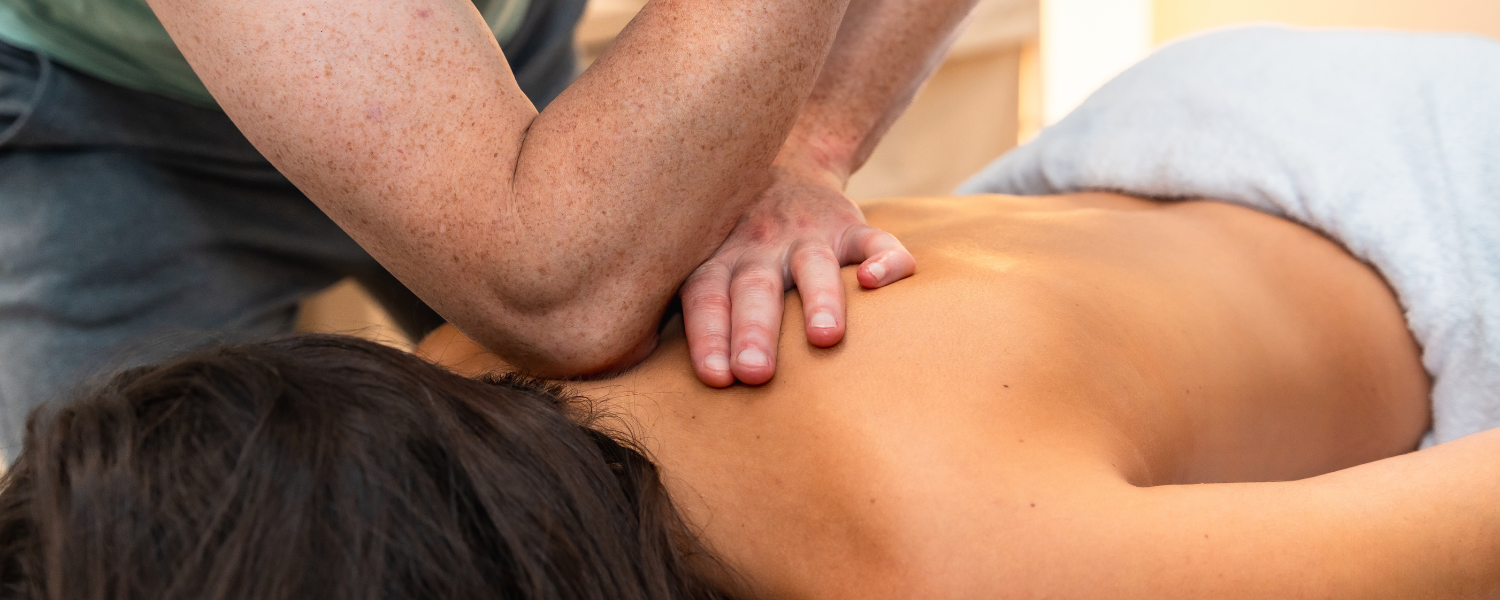
In our fast-paced world, stress isn’t just “in your head” it lives in your shoulders, your jaw, and your digestive system. When looking for the best massage techniques for stress relief, you want a style that triggers the parasympathetic nervous system (the “rest and digest” mode).
If your stress feels like a heavy weight on your shoulders, Shiatsu is excellent because it helps move stagnant energy. However, if you feel “wired but tired,” a Lomi Lomi or a pure relaxation massage is better. These techniques use constant contact and rhythmic motions that signal to your brain that it is safe to let go.
Choosing the Best Massage for Muscle Recovery
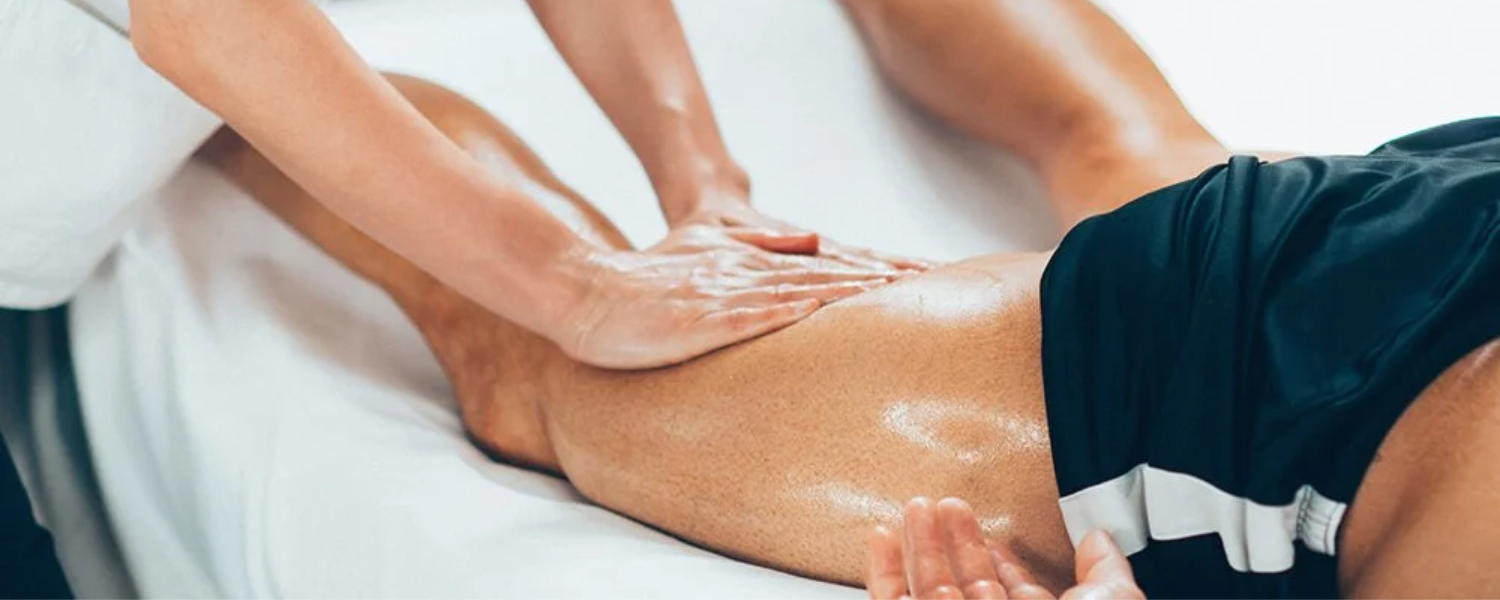
If you’ve been hitting the gym hard or training for a specific goal, your muscles undergo micro-tears and build up inflammation. The best massage for muscle recovery is usually a Sports massage or Deep Tissue.
- Sports Massage: Best used between workouts to keep tissues supple.
- Deep Tissue: Best used when you have a specific “knot” that won’t go away.
A key part of muscle recovery massage is increasing blood flow. By physically moving blood through congested areas, the therapist helps bring fresh oxygen and nutrients to the muscle, which speeds up the healing process significantly.
Massage for Pain Relief: What’s Best for You?
Pain is a complex signal. To find the right pain relief massage, you need to identify the type of pain:
- Acute Pain (Recent Injury): Opt for a light Sports massage or lymphatic drainage. You don’t want to dig deep into an area that is currently inflamed.
- Chronic Pain (Lasting 3+ months): A Deep tissue massage technique is often the answer here. It helps realign tissue fibers that have become “stuck” over time.
- Tension Headaches: A combination of Shiatsu (to release the neck) and relaxation work is the most effective approach.
How Often Should You Get Your Chosen Massage?
The frequency of your visits depends entirely on your goals. There is no “one size fits all” answer, but here is a general guideline used by professionals:
| Goal | Recommended Frequency |
| Chronic Pain Management | Once a week for 4-6 weeks, then tapering off. |
| High-Intensity Training | Once every 1-2 weeks. |
| General Stress Maintenance | Once a month. |
| Acute Injury Recovery | Twice a week (with light pressure) until mobility returns. |
What to Expect at Shiatsu Massage Center for Each Technique
At the Shiatsu Massage Center, we pride ourselves on a personalized approach. Here is a quick “what to expect” guide for your first visit:
- Consultation: Every session starts with a brief chat about your health history and what hurts (or what needs relaxing).
- Environment: Whether you’re getting a firm Deep Tissue session or a flowing Lomi Lomi, the room will be temperature-controlled with professional-grade linens.
- Shiatsu Specifics: Unlike other massages, Shiatsu is often performed over loose-fitting clothing or through a sheet, without the use of oils.
- Aftercare: Our therapists will always provide advice on hydration and stretching to ensure the benefits of the massage technique last long after you leave the table.
Conclusion: Book Your Customized Massage at Shiatsu Massage Center
Choosing the right massage shouldn’t be stressful. Whether you’re looking for a sports massage for athletes to boost your performance or a traditional Lomi Lomi massage to find your inner peace, the key is communication.
Don’t feel like you have to be an expert. When you book at the Shiatsu Massage Center, our therapists are trained to listen to your body and adapt their style to fit your unique needs. Are you ready to feel better?
Stop guessing and start healing.
Book Your Appointment Today and Experience the Perfect Massage for You!
FAQ Section
Q1: How do I know which massage technique is right for me?
The best way is to identify your primary goal. If you want to fix a specific physical pain, go for Deep Tissue. Or you want to feel mentally recharged, choose Shiatsu or Relaxation. If you’re still unsure, ask your therapist for a “Integrated” session where they blend multiple styles.
Q2: How often should I get a massage for stress relief?
For most people, a monthly massage for stress relief is enough to keep cortisol levels in check. However, during particularly high-stress periods (like a big project at work), bi-weekly sessions can prevent burnout.
Q3: What is the difference between a Shiatsu massage and a Deep Tissue massage?
The main difference is the method and the goal. Shiatsu uses finger pressure on specific points to balance energy and can be done fully clothed. Deep Tissue uses oil, involves direct skin contact, and focuses on the physical manipulation of deep muscle layers to break down scar tissue.
Q4: How long should a typical massage session last?
For a full-body relaxation or Lomi Lomi session, 60 to 90 minutes is ideal. If you are targeting one specific area (like just the lower back or just a foot massage), 30 to 45 minutes may suffice.
Q5: Are there any health benefits to getting a Lomi Lomi massage?
Absolutely. Beyond the pure relaxation massage benefits, Lomi Lomi improves circulation, assists in lymphatic drainage (which boosts the immune system), and is particularly effective at releasing emotional tension stored in the body.