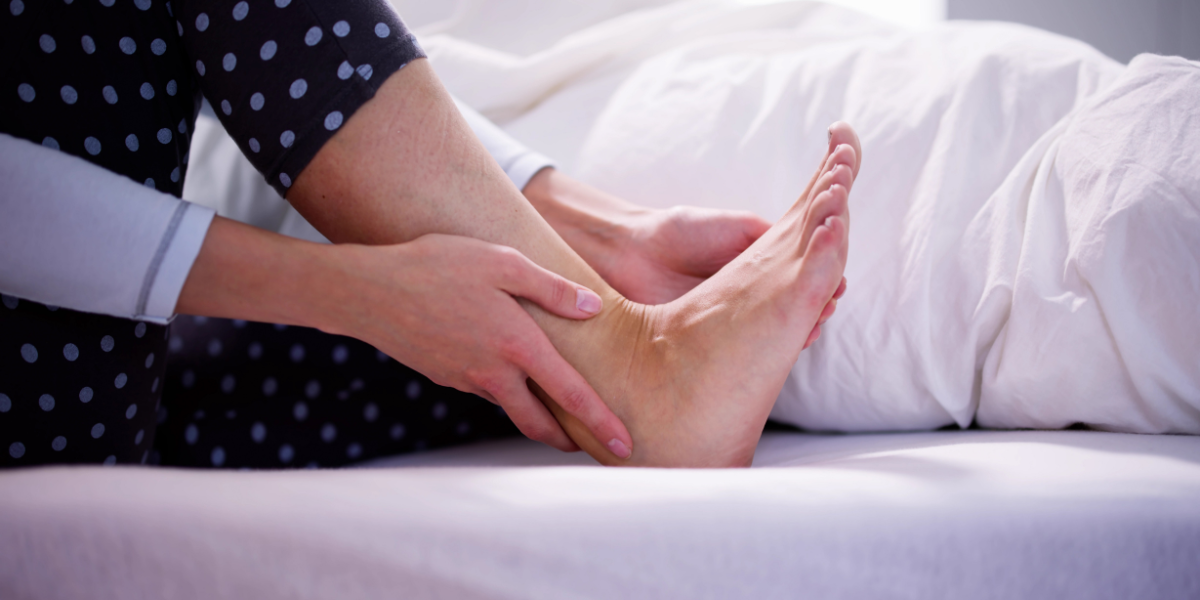
If you have ever hopped out of bed in the morning only to be met with a sharp, stabbing pain in your heel, you already know how frustrating plantar fasciitis can be. It feels like stepping on a nail, and it can throw off your entire day.
When looking for relief, most people focus entirely on the bottom of their feet. They roll their arches over frozen water bottles, buy expensive orthopedic shoes, or stretch their toes. While these methods help, they often miss the real culprit behind the pain.
To truly fix plantar fascia pain, you have to look further up the leg. Specifically, you need to look at your calves. The human body does not work in isolated parts; it functions as a connected chain. When your lower leg muscles tighten up, they pull on your heel, creating the perfect storm for foot pain.
Let’s dive into why treating your lower legs is the missing puzzle piece for happy feet, and how targeted bodywork can get you back on your steps.
How Tight Calves Contribute to Heel Pain
Your calf muscle group, which includes the gastrocnemius and soleus muscles, carries the heavy burden of lifting your heel every time you walk, run, or jump. When these muscles become overworked from exercise, standing all day, or wearing improper footwear, they shorten and stiffen.
When your calves are chronically tight, they restrict the natural movement of your ankle joint. This lack of flexibility forces your foot to alter its mechanics. Instead of a smooth, rolling motion from heel to toe, your foot slaps the ground, putting massive amounts of extra stress on the bottom of your feet. Over time, this constant micro-trauma irritates the thick band of tissue under your foot, leading to severe inflammation.
The Connection Between Calves, Achilles, and Plantar Fascia
To understand why a calf massage for plantar fasciitis is so effective, you need a quick anatomy lesson. Think of the back of your lower leg as a continuous rubber band.
- The Calves: The muscles at the top of the chain.
- The Achilles Tendon: The thick cord that connects your calf muscles to your heel bone.
- The Plantar Fascia: The thick band of connective tissue running along the bottom of your foot, supporting your arch.
Because the Achilles tendon and the plantar fascia both attach to the very same heel bone (the calcaneus), they are deeply codependent. When your calves tighten, they pull upward on the Achilles tendon. The Achilles then pulls upward on the heel bone, which puts an intense, continuous tug-of-war strain on the plantar fascia underneath.
“Foot pain often starts upstream – treat calves for complete relief.”
If you only treat the foot, you are merely treating the symptom. By addressing the calves, you release the tension at the top of the chain, taking the structural pressure off your heel.
How Deep Tissue and Shiatsu Massage Helps
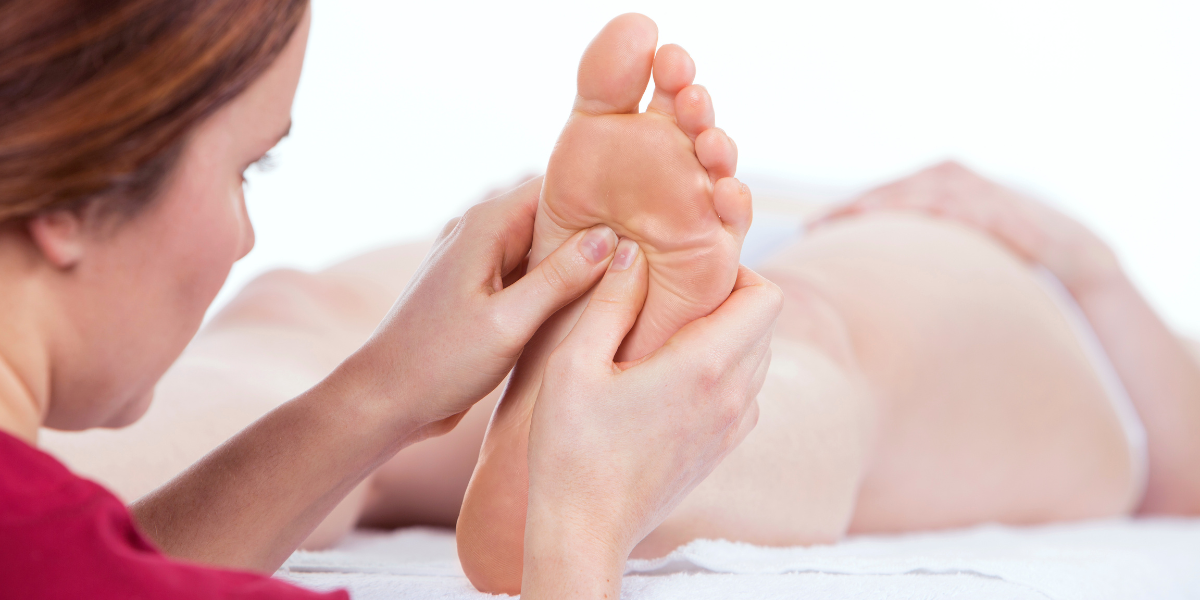
This is where professional hands-on therapy changes the game. If your lower leg muscles are knotted up like a tight rope, light rubbing won’t do much. You need specialized techniques like deep tissue massage and Shiatsu to break up the tension.
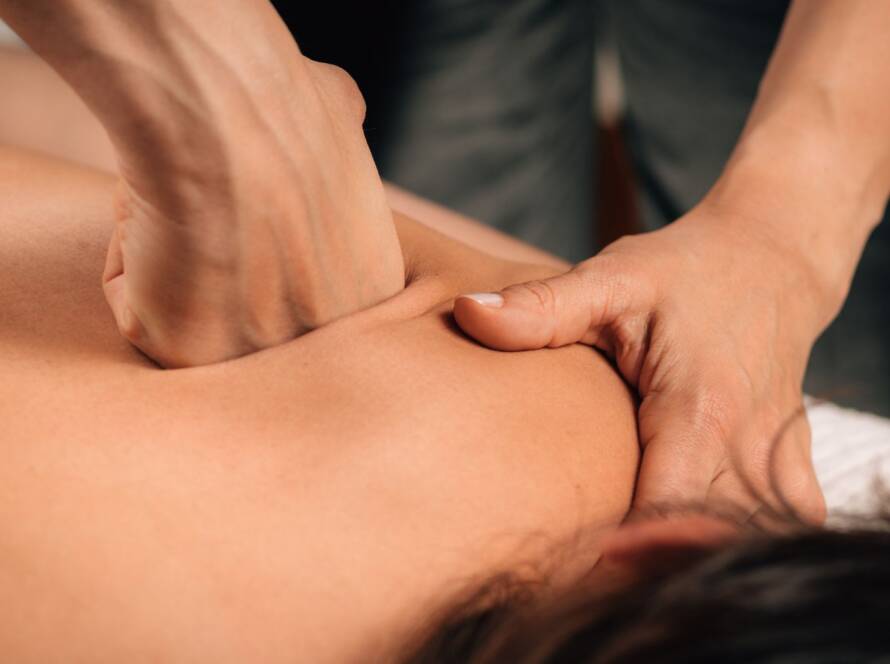
Deep tissue massage uses slow, firm strokes to target the deeper layers of muscle tissue and fascia. A skilled therapist can find the specific trigger points in your calves that are sending pain radiating down into your heel. By breaking up scar tissue and adhesions, deep tissue work allows the muscle fibers to relax and lengthen again.
Shiatsu massage, a traditional Japanese bodywork style, focuses on applying rhythmic, localized pressure to specific acupressure points along the body’s energy channels. When applied to the lower legs and feet, Shiatsu helps release stagnant tension, relaxes the nervous system, and stimulates the body’s natural self-healing mechanisms.
Combining these approaches offers a powerful dual-action remedy that tackles both structural tightness and neurological stress.
Benefits Beyond Pain Relief: Flexibility and Prevention
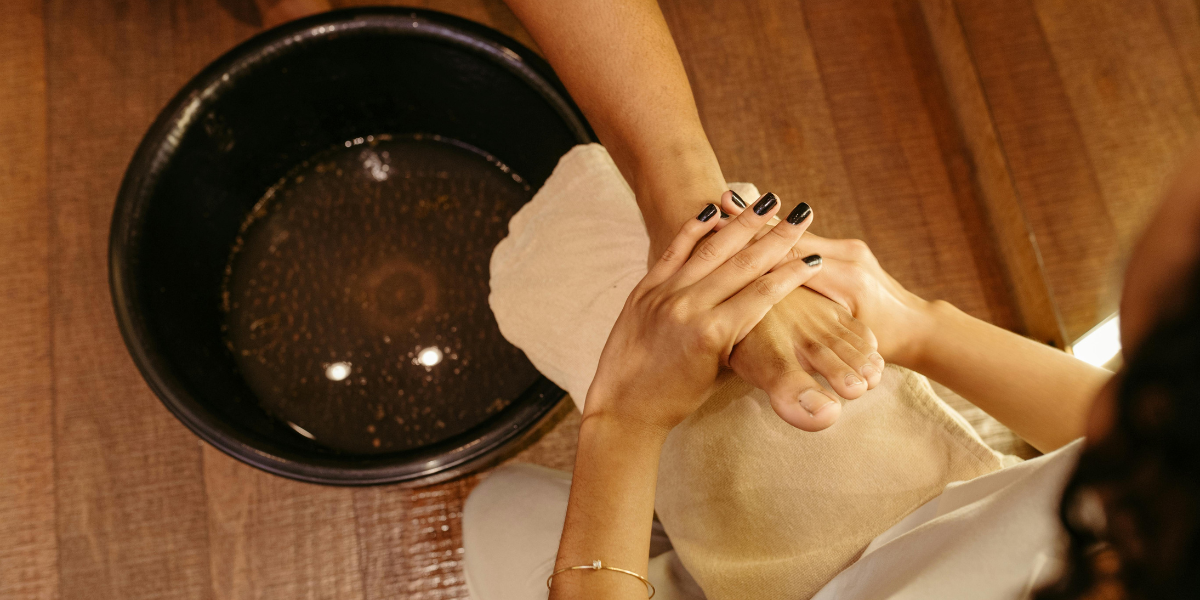
Getting a regular massage for plantar fasciitis and calves does much more than just make the sharp pain go away. The long-term structural benefits are massive for your overall lower-body health.
- Restored Flexibility: Releasing tight muscles allows your ankle joint to move through its full, natural range of motion.
- Improved Mobility: When your ankles and feet move correctly, your walking stride improves, which prevents secondary pain in your knees, hips, and lower back.
- Injury Prevention: Supple, relaxed muscles absorb shock much better than stiff ones. Keeping your calves pliable protects you from future issues like Achilles tendonitis, shin splints, and muscle tears.
Recommended Massage Techniques for Calves and Feet
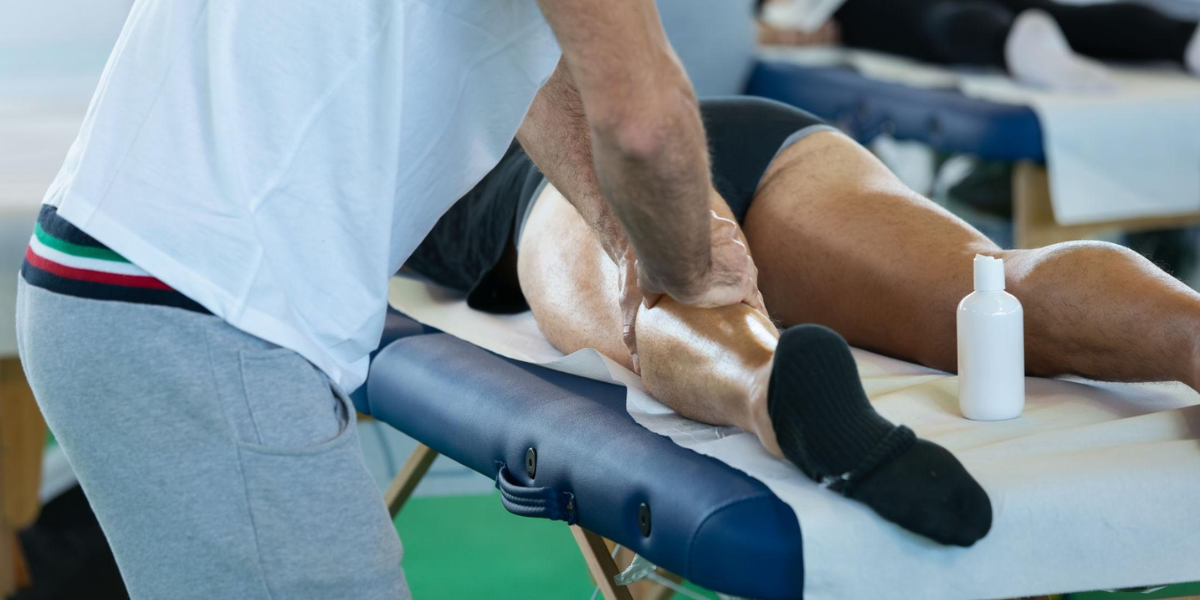
During a dedicated session for lower leg massage Waikīkī, therapists use a mix of highly effective techniques tailored to your pain level:
- Effleurage and Petrissage: Smooth, gliding strokes to warm up the calf muscles, followed by kneading movements that stretch out the tight muscle fibers.
- Cross-Fiber Friction: Rubbing across the grain of the tendon and muscle fibers to break down stubborn scar tissue around the heel and arch.
- Trigger Point Therapy: Holding firm, direct pressure on specific “knots” in the calf until they completely melt away and release.
- Thumb Pressure (Shiatsu): Utilizing precise finger and thumb pressure along the energetic pathways of the lower leg and foot to improve circulation and relieve deep-seated structural stress.
Our therapists release calf tension to reduce plantar fascia stress and improve mobility, ensuring every session targets the root cause of your discomfort.
Post-Massage Care for Calf and Foot Recovery
A great therapeutic session is only the first step. To get the most out of your treatment and keep the pain from returning, proper post massage care is essential:
- Hydrate Constantly: Drink plenty of water after your session to flush out the metabolic waste products released from your muscles during the massage.
- Apply Gentle Warmth or Ice: If your foot feels inflamed, a cold compress can soothe it. If your calves just feel tender like they had a workout, a warm Epsom salt bath works wonders.
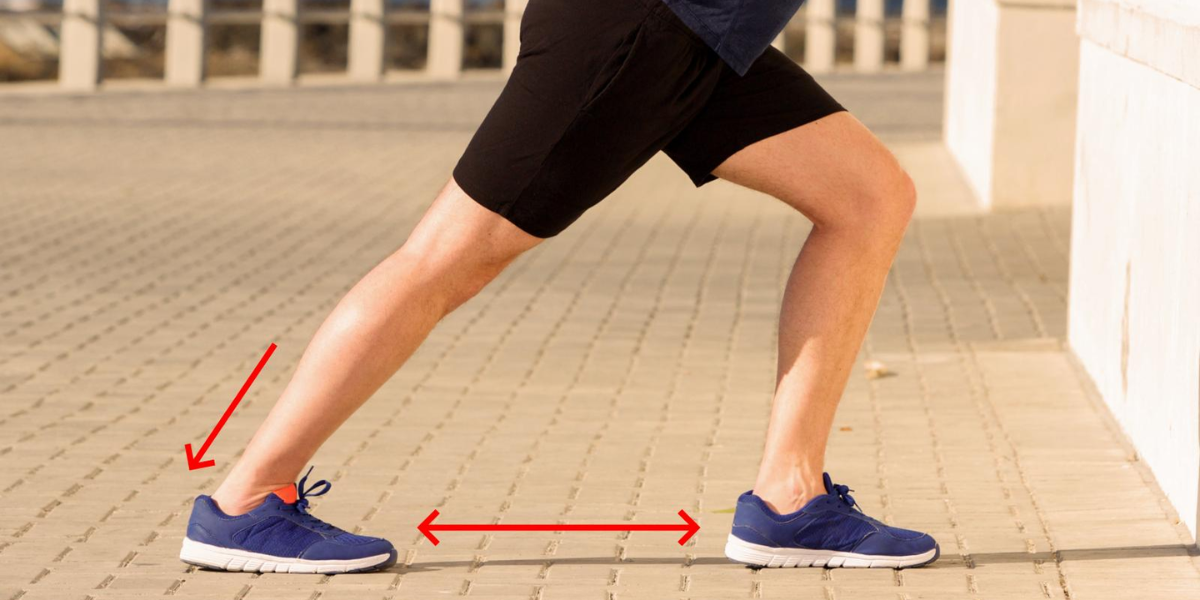
- Gentle Stretching: Keep the muscles long by doing gentle calf stretches against a wall or using a towel to pull your toes toward you while sitting.
- Rest: Avoid heavy running, jumping, or standing for long hours immediately after your bodywork to let the tissues heal.
When to See a Specialist
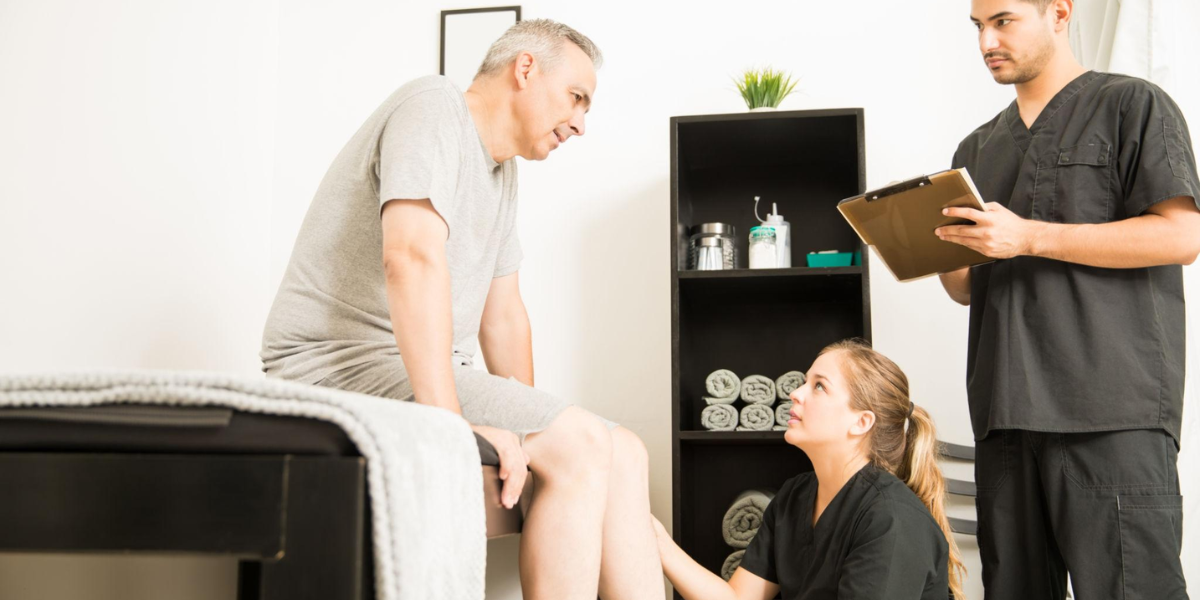
While regular lower leg massage therapy Honolulu is an incredibly effective tool for managing and preventing heel pain, it is important to know your limits.
If you experience sudden, severe swelling, a popping sound in your leg, bruising around the heel, or pain so intense that you cannot bear weight at all, you should consult an orthopedic specialist or podiatrist. These could be signs of a complete tendon tear or a stress fracture that requires medical intervention. Massage is a fantastic therapy for structural tightness and chronic strain, but acute medical trauma needs a doctor’s diagnosis.
Frequently Asked Questions
1. Does calf massage reduce plantar fascia pain?
Yes, absolutely. Because the calf muscles pull on the Achilles tendon, which directly connects to the heel bone, relaxing the calves immediately reduces the mechanical tension and pulling force on the plantar fascia.
2. Can athletes benefit from calf and foot massage?
Definitely. Runners, dancers, and athletes who do a lot of jumping put immense stress on their lower legs. Regular bodywork keeps these tissues flexible, improves recovery times, and keeps performance levels high.
3. How often should I massage my calves for plantar fascia relief?
For acute, stubborn pain, starting with one to two sessions a week for a few weeks is highly effective. Once the intense pain subsides, moving to a bi-weekly or monthly maintenance schedule helps keep the tightness from building back up.
4. Is Shiatsu or deep tissue better for calf tension?
Both offer unique benefits. Deep tissue is excellent for physically breaking up physical knots and scar tissue in the muscle layers. Shiatsu is fantastic for targeted pressure point release and reducing overall nervous system tension. Many people find a combination of both works best.
5. How long does it take to feel relief from plantar fascia massage?
Many people feel a noticeable lightness and reduction in sharpness immediately after their first session. However, long-term relief from chronic inflammation usually takes a series of regular treatments over a few weeks, combined with proper home stretching.
Conclusion & Booking CTA
“Strong calves support healthy arches; release tension to relieve heel pain.”
You don’t have to live with the constant, nagging dread of that first step in the morning. By shifting your focus from just the bottom of your foot to the entire lower leg chain, you can unlock long-lasting relief and find your natural stride again.
Step Into Comfort Without Heel Pain
Strong calves support healthy arches. Don’t let tight lower leg muscles pull on your plantar fascia. Book a targeted lower leg massage at Shiatsu Massage Center Waikīkī to release the Achilles tendon, soften your calves, and restore your natural stride.