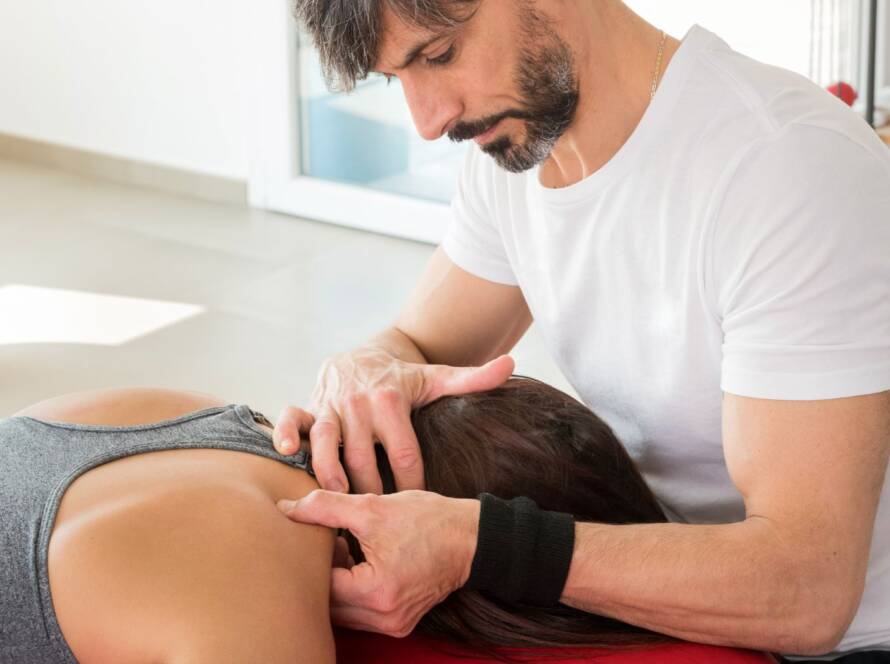
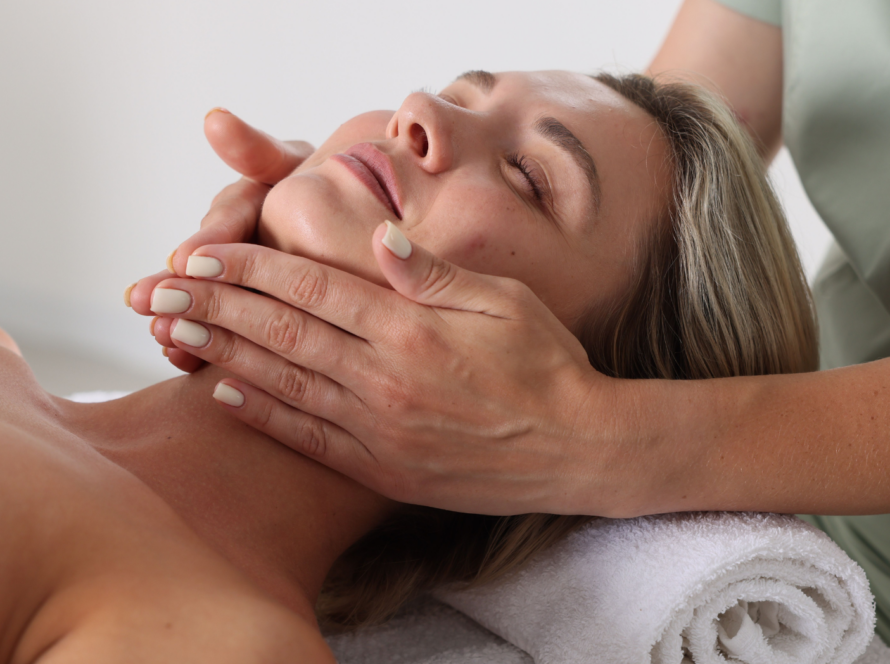
If you’ve ever walked out of a massage studio feeling like you’re floating on a cloud, only to wake up the next morning feeling like you’ve gone five rounds in a boxing ring, you aren’t alone. Massage therapy is one of the most effective ways to reduce stress, manage pain, and improve mobility. However, the work doesn’t end when you get off the table.
One of the first things your therapist likely tells you as you’re gathering your things is, Make sure to drink plenty of water today. It’s common advice, but have you ever wondered why? Is it just a suggestion, or is there a scientific reason behind it?
In this guide, we will dive deep into why you need to hydrate after massage, how your body processes a session, and how proper hydration can be the difference between a week of relaxation and a weekend of muscle soreness.
Why You Should Hydrate After Massage
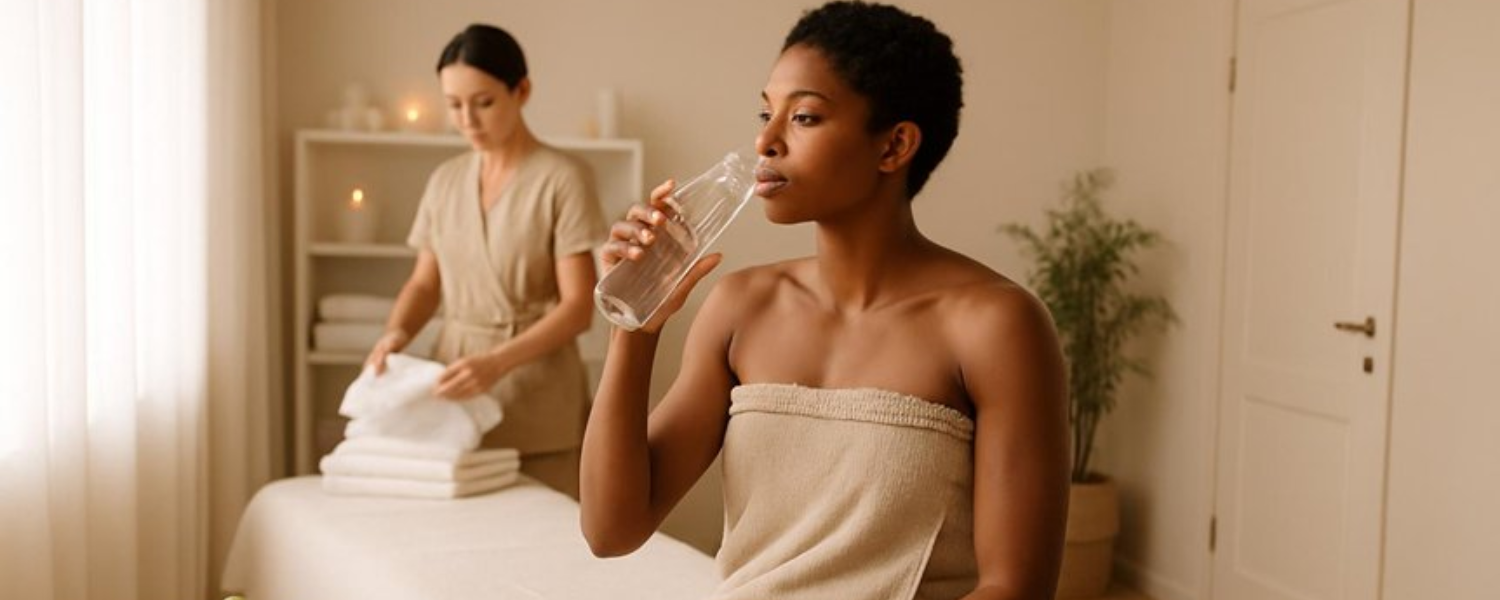
Think of a massage as a passive workout. While you are lying down and relaxing, your muscles are being manipulated, stretched, and compressed. This physical interaction triggers several physiological responses that require water to manage effectively.
1. Supporting the Lymphatic System
Your lymphatic system is your body’s built-in drainage system. It’s responsible for moving waste products out of your tissues and into your bloodstream so they can be filtered by your kidneys. Unlike your blood, which has the heart to pump it around, lymph fluid relies on movement and pressure to circulate. Massage provides that pressure, pushing fluid through the system. Water is the fuel that keeps this fluid moving freely.
2. Reducing Post-Massage Soreness
When a therapist works on a knot or a trigger point, they are essentially breaking up adhesions in the muscle tissue. This process can cause minor, temporary inflammation similar to what you feel after a hard gym session. Post massage hydration helps cool the body from the inside out and reduces the intensity of this inflammation, keeping your muscles supple rather than stiff.
3. Rehydrating the Fascia
Fascia is the connective tissue that surrounds every muscle, bone, and organ in your body. When you are dehydrated, your fascia becomes sticky and tight, leading to restricted movement. Massage helps unstick these layers, but without water, the fascia can quickly return to its dehydrated, brittle state.
What Happens Inside Your Body After a Massage
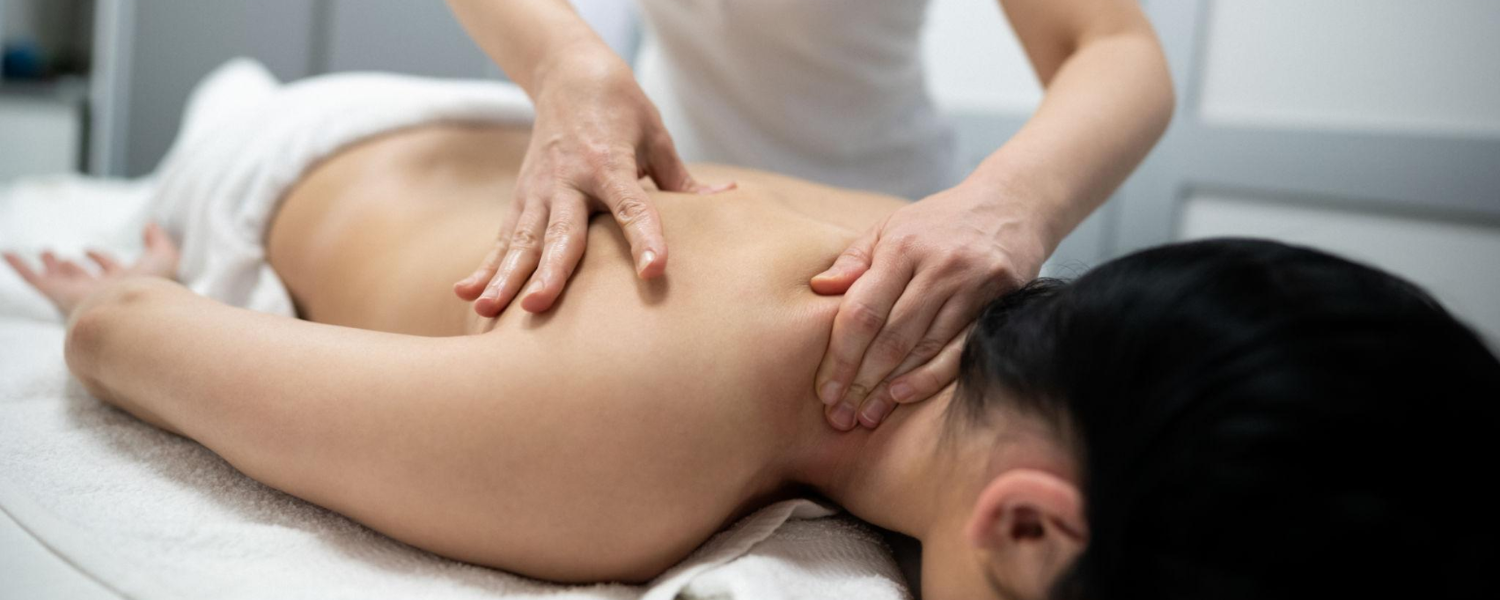
To understand the importance of water after massage, we have to look at what’s happening under the skin. During a session, particularly deep tissue or sports massage, your circulation increases significantly.
Metabolic Waste Release
Your muscles store various metabolic byproducts. When a therapist applies pressure, they are essentially squeezing these substances out of the muscle fibers. While detox is a buzzword often used loosely, the biological reality is that massage assists in moving metabolic waste (like nitrogenous waste) into the circulatory system.
Once these substances are in your blood, your kidneys have to filter them. If you are dehydrated, your kidneys have to work much harder, and the concentration of these wastes in your system stays higher for longer. This is why many people experience a massage hangovera feeling of sluggishness or a mild headache if they don’t drink enough water.
Want your massage results to last longer?
Stay hydrated and book your next recovery-focused massage at Shiatsu Massage Center Waikīkī.
Hydration After Deep Tissue, Shiatsu, and Sports Massage
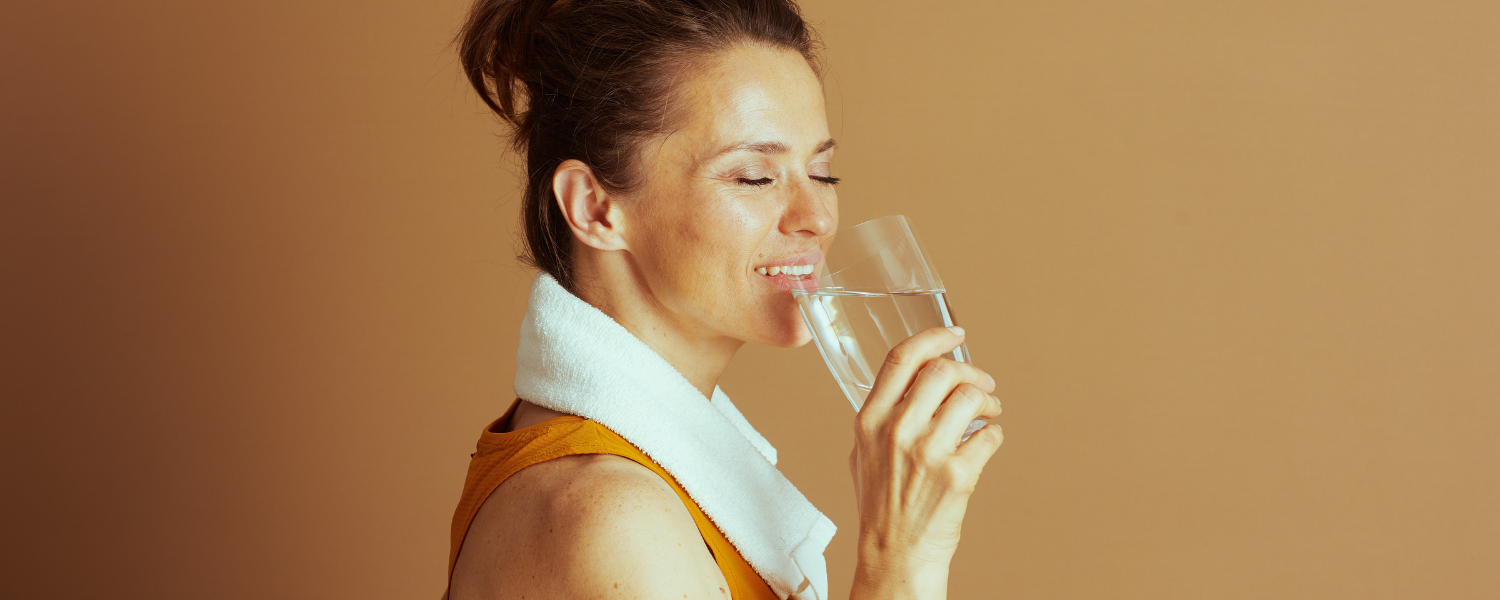
Different types of massage affect the body in different ways, and your hydration needs might change depending on the modality you choose.
Deep Tissue Massage
Deep tissue massage targets the inner layers of your muscles and connective tissues. Because the pressure is more intense, the micro-trauma to the muscle (which is necessary for repair) is higher. Deep tissue massage aftercare absolutely requires increased water intake to prevent the muscles from seizing up the next day.
Shiatsu Massage
Shiatsu massage benefits come from the application of pressure to specific points on the body to balance energy (Qi). While it is less about kneading and more about pressing, it still stimulates the nervous system and moves lymphatic fluid. Hydration helps maintain the energetic and physical balance achieved during the session.
Sports Massage
If you are using massage for muscle recovery after a marathon or a heavy lifting session, you are likely already slightly dehydrated from the exercise itself. Adding a massage on top of that increases the demand for fluids to help repair muscle fibers and flush out metabolites.
Can Not Drinking Water Make You Feel Sore or Tired?
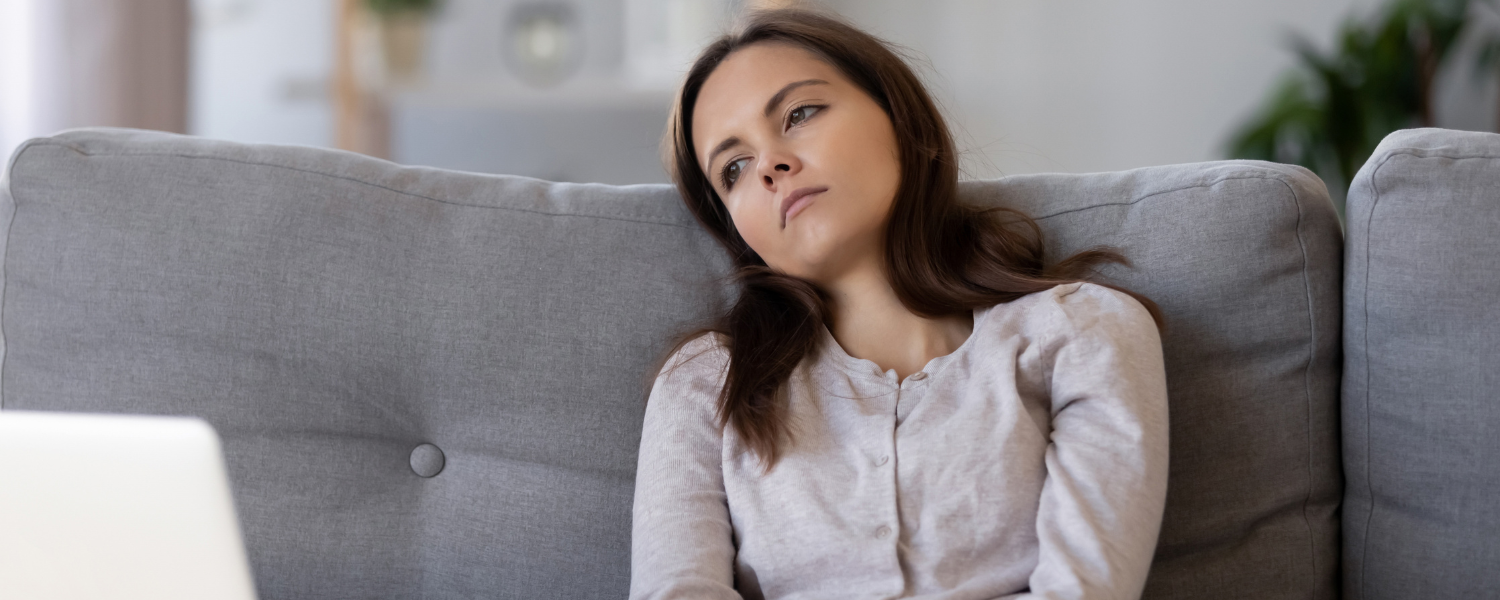
The short answer is: Yes.
If you skip the water after your appointment, you are likely to encounter two main side effects: soreness and fatigue.
1. The Massage Headache
A headache after massage dehydration is one of the most common complaints. When the body is dehydrated, the brain can physically shrink away from the skull slightly due to fluid loss, causing a tension headache. Combined with the increased blood flow and waste processing after a massage, a lack of water is a recipe for a migraine.
2. Why Does Massage Make You Tired?
Many people ask, Does massage make you tired? It does, but for a good reason. Massage shifts your nervous system from sympathetic (fight or flight) to parasympathetic (rest and digest). This transition is relaxing, but if your body is struggling to process the metabolic changes because it lacks water, that relaxation can turn into heavy, foggy exhaustion.
3. Muscle Aches
Being sore after massage dehydration is often preventable. Water keeps the muscle fibers lubricated. Without it, the re-aligning of muscle fibers that happened during your massage can become painful as the tissues friction against each other.
How Much Water Should You Drink After a Massage?
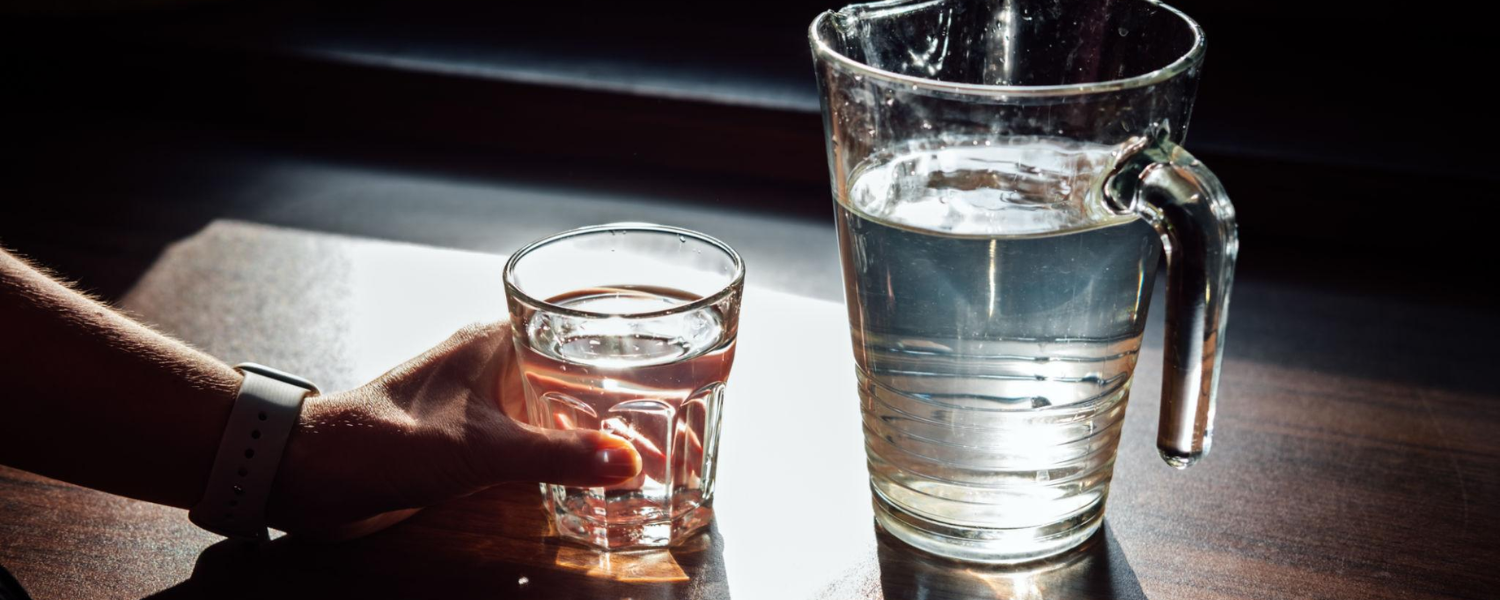
There is no one-size-fits-all answer for how much water to drink after massage, but a good rule of thumb is to drink at least 16 to 24 ounces (about two to three glasses) immediately following your session, in addition to your regular daily intake.
Factors that Influence Your Needs:
- Body Weight: Larger individuals typically require more water.
- Massage Intensity: The deeper the massage, the more water you need.
- Climate: If you are getting a massage therapy Honolulu session, the heat and humidity mean you are already losing fluid through sweat. You’ll need extra to compensate.
- Activity Level: If you worked out before your massage, your baseline is already low.
Try to sip water consistently throughout the rest of the day rather than chugging a gallon at once. This allows your kidneys to process the fluid effectively.
Best Drinks After Massage and What to Avoid
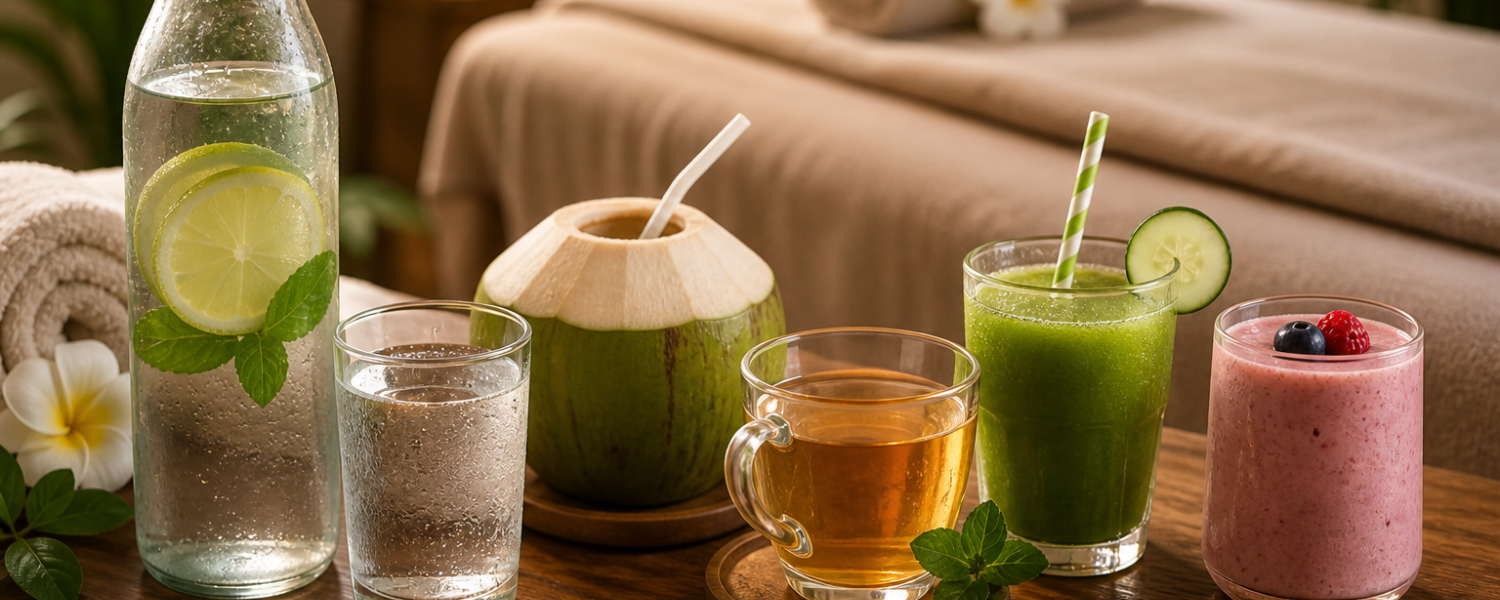
While water is king, not all liquids are created equal when it comes to post massage care.
The Best Choices:
- Filtered Water: Clean, simple, and effective.
- Coconut Water: Great for replacing electrolytes, especially after a sports massage.
- Herbal Tea: Non-caffeinated teas like peppermint or chamomile can extend the relaxation of the massage.
- Infused Water: Adding lemon or cucumber provides a small boost of antioxidants.
What to Avoid:
- Alcohol: Alcohol is a diuretic, meaning it dehydrates you. Drinking alcohol right after a massage is a bad idea because it thins the blood and can lead to faster intoxication and a much worse headache.
- Caffeine: Like alcohol, caffeine can dehydrate you and can also wake up the nervous system, undoing the relaxation benefits of the massage.
- Sugary Sodas: High sugar content can trigger inflammation, which is the opposite of what you want after a healing session.
Post-Massage Care Tips for Longer-Lasting Results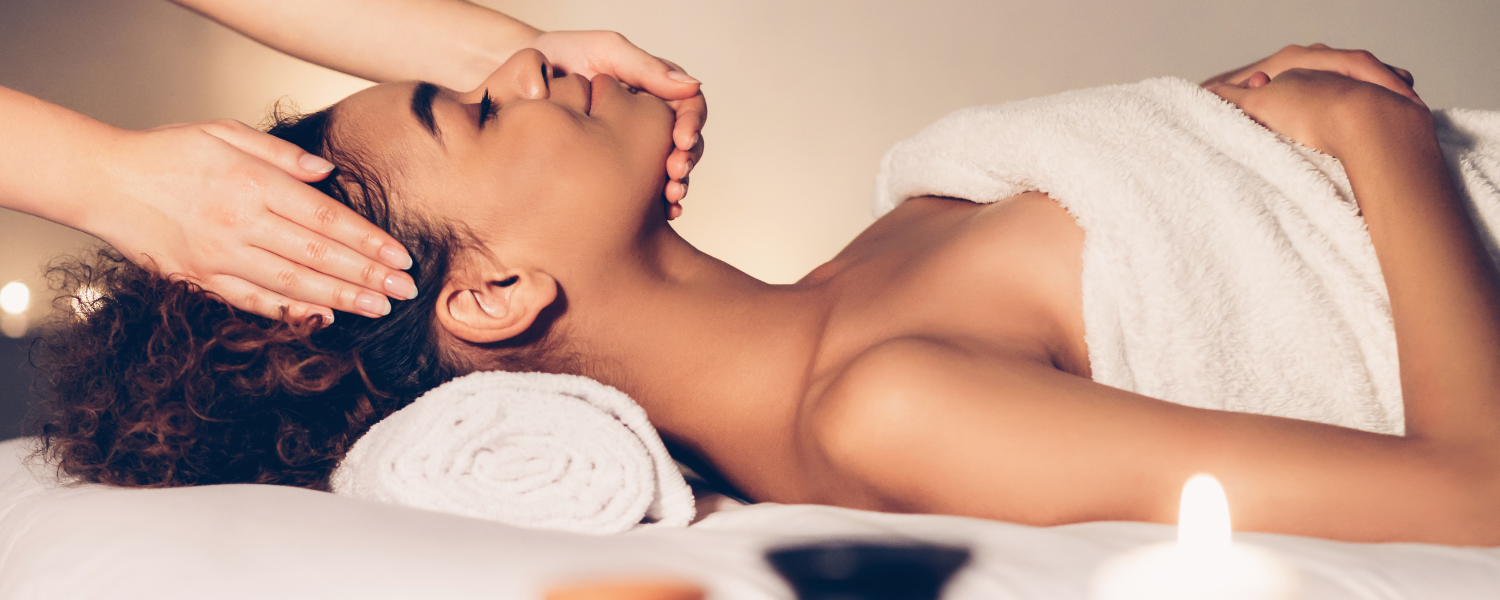
Drinking water is the most important step, but it’s just one part of a comprehensive after massage care routine. To get the most out of your investment, follow these tips:
- Eat a Light Snack: Sometimes a massage can lower your blood sugar. A piece of fruit or some nuts can help stabilize you.
- Take a Warm Bath: Adding Epsom salts (magnesium sulfate) to a warm bath can help draw out tension and further relax the muscles.
- Gentle Stretching: Don’t go back to the gym immediately. Gentle movement helps keep the blood flowing without straining the newly relaxed muscles.
- Listen to Your Body: If you feel the need to nap, take one. Your body does its best healing while you sleep.
-> Explore Essential Post-Massage Care Instructions
Experience the Best Massage Therapy in Honolulu
If you are looking for professional care that prioritizes your recovery, look no further than massage honolulu. Whether you are a local athlete or a visitor suffering from travel-induced stiffness, our expert therapists provide tailored sessions that focus on both the massage and the essential aftercare.
By understanding the link between hydrate after massage and long-term health, you can ensure that every session leaves you feeling better than the last.
FAQ Section
1. Why should you hydrate after massage?
Hydration helps your kidneys filter metabolic waste released from the muscles during the session, prevents headaches, and keeps your connective tissues (fascia) lubricated and flexible.
2. How much water should I drink after a massage?
Aim for 16–24 ounces immediately after your session, and continue to sip water throughout the rest of the day.
3. Can dehydration make you feel sore after massage?
Yes. Dehydrated muscles are less pliable and more prone to inflammation, which can increase the feeling of DOMS (delayed onset muscle soreness).
4. Is it normal to feel tired after a massage?
Yes, it is very common. This is often due to your nervous system shifting into a relaxed state or your body working hard to process the changes in circulation and muscle tension.
5. What should I avoid after a massage?
Avoid alcohol, heavy caffeine, intense workouts, and high-sugar foods for at least 12 to 24 hours to allow your body to heal and recover fully.
Conclusion
The next time you hear your massage therapist tell you to drink water, remember that it’s not just a polite parting phrase. It is a vital step in your physical recovery. From supporting your lymphatic system to preventing the dreaded massage headache, water is the final ingredient in a successful therapy session.
By prioritizing post massage hydration, you aren’t just drinking water; you’re protecting your body, enhancing your results, and ensuring that the sense of peace you felt on the table stays with you long after you leave the studio.
Ready to feel refreshed, relaxed, and restored?
Book your Shiatsu, Deep Tissue, or Relaxation Massage