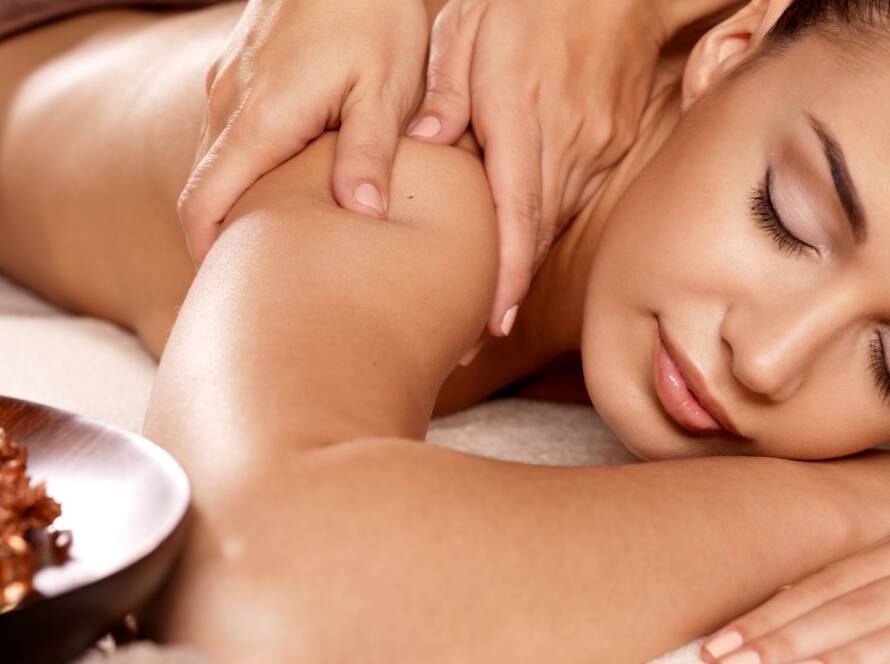
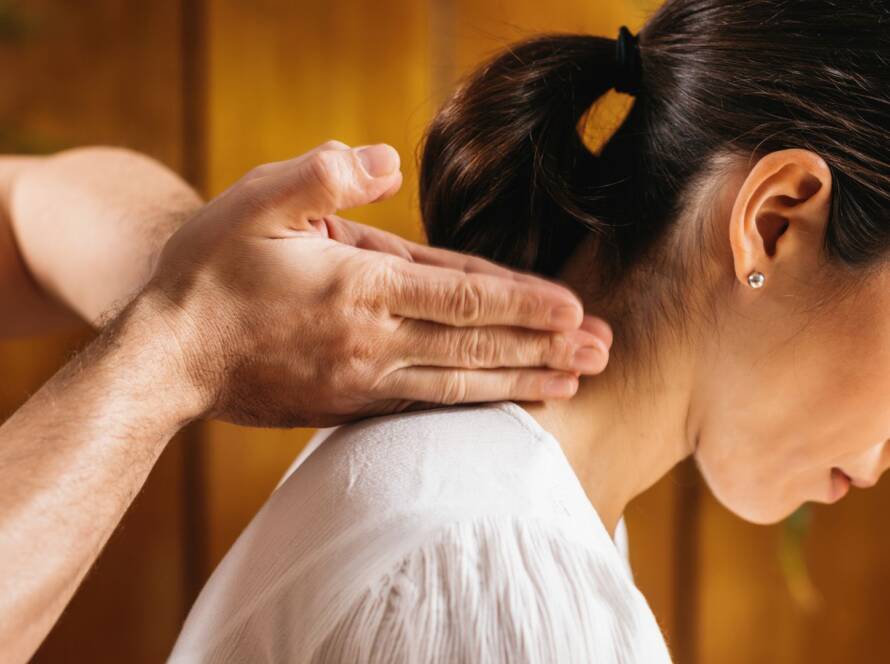
You finally booked that massage you’ve been dreaming of all month. You lay on the table, the music was soothing, the pressure was perfect, and you walked out feeling like a human marshmallow.
But then, a few hours later or perhaps the next morning, things feel a bit… off. Maybe your muscles are achy, you have a nagging headache, or you feel like you need a three-hour nap.
If this sounds familiar, don’t panic. You aren’t coming down with the flu, and your massage therapist didn’t break you. You are likely experiencing a massage detox reaction.
While we often think of massage as purely a relaxation tool, it is actually a powerful physical intervention. It moves fluids, stretches tissues, and resets the nervous system. Sometimes, the body needs a moment to catch up with all those changes.
In this guide, we will dive deep into why these symptoms happen, what to look out for, and how to navigate the recovery process like a pro.
Why Do Detox Symptoms Happen After a Massage?
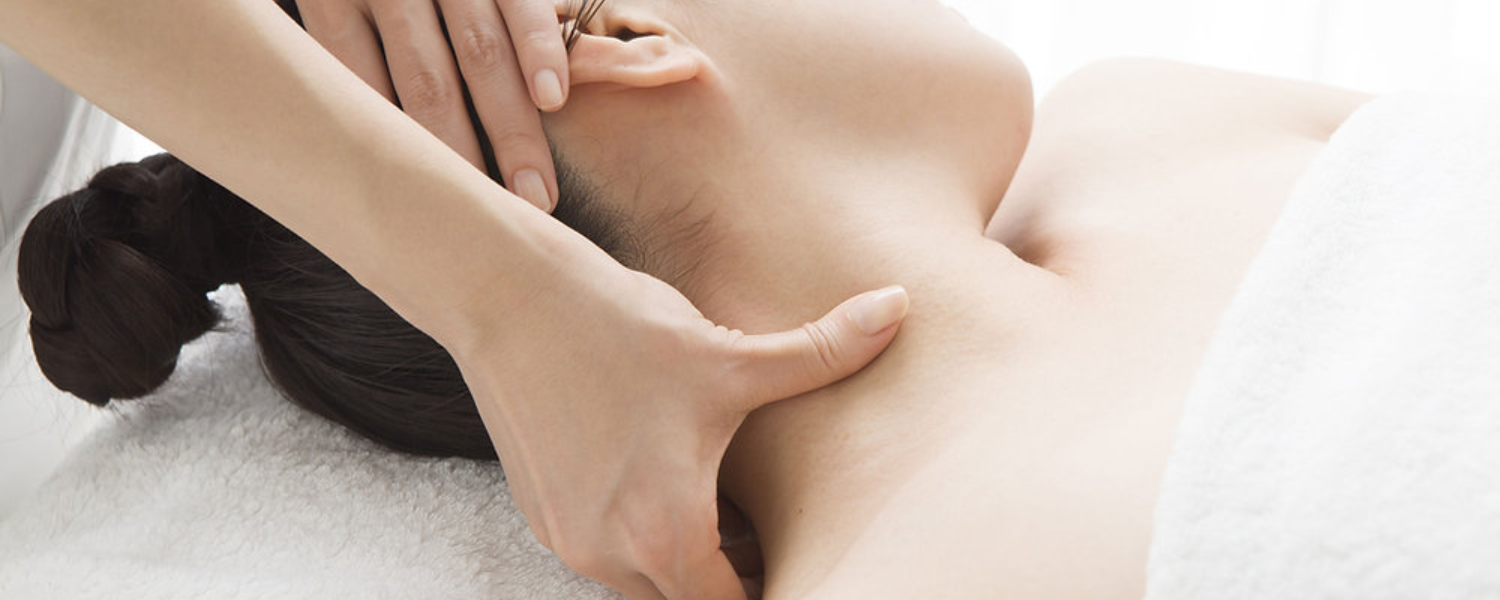
To understand why you might feel blah after feeling ahhh, we have to look at what is happening under the skin. Your body is a complex network of systems designed to process waste, but sometimes things get a little sluggish.
The Lymphatic System and Circulation
The star of the show here is the lymphatic system. Think of it as your body’s internal drainage system. Unlike your blood, which is pumped by your heart, lymph fluid relies on muscle movement and breathing to circulate. When a therapist performs a lymphatic drainage massage or even a standard massage, they are manually pushing that fluid through the system.
This helps the body flush out metabolic waste, excess fluid, and toxins (byproducts of cellular function) that may have been sitting stagnant in your tissues. When these are suddenly pushed into the bloodstream to be filtered by the liver and kidneys, it can temporarily overwhelm the system, leading to that detox feeling.
Releasing Metabolic Waste
When your muscles are tight or knotted, blood flow to those areas is restricted. This allows metabolic byproducts like lactic acid or uric acid to accumulate. During a deep tissue massage or Shiatsu, the therapist applies firm pressure to break up these adhesions.
As the muscle relaxes, fresh blood rushes in, and the trapped waste products are swept away. While this is great for long-term massage for muscle recovery, the immediate influx of these substances into your system can cause a temporary inflammatory response.
Read more : what toxin release after massage
Common Detox Symptoms After a Massage
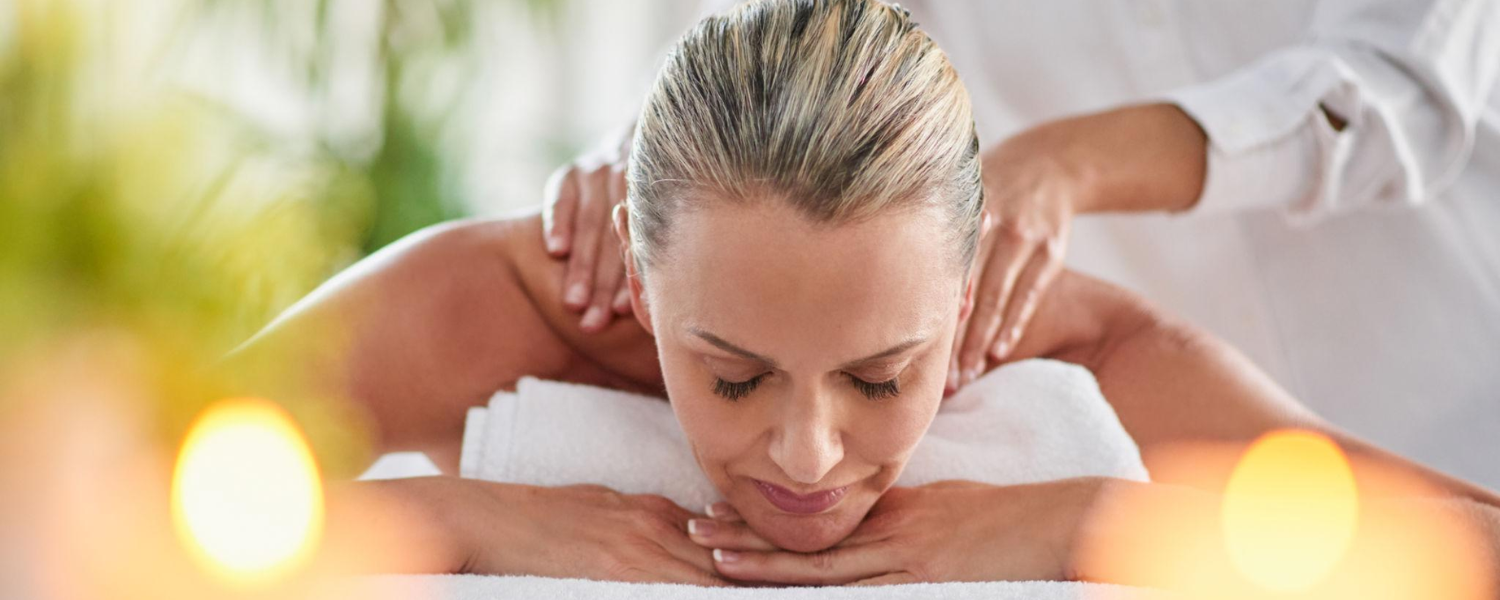
Everyone’s body reacts differently. Some people feel energized immediately, while others need a day to recover. Here are the most common signs that your body is undergoing a detoxification through massage.
1. Muscle Soreness
This is the most common side effect. It often feels similar to Delayed Onset Muscle Soreness (DOMS) that you get after a heavy workout. Because the therapist was manipulating tissues that might not be used to that level of activity, the muscles can feel tender to the touch for a day or two.
2. Fatigue and Brain Fog
Have you ever felt massage drunk? That heavy, sleepy feeling is your nervous system shifting from fight or flight (sympathetic) to rest and digest (parasympathetic). As your body focuses its energy on internal repair and flushing waste, you might feel physically drained.
3. Headaches
Detox symptoms after massage frequently include a mild tension headache. This usually happens for two reasons: the release of tension in the neck and shoulders changing blood flow patterns, or simple dehydration. As the body uses water to process waste, your fluid levels can dip, triggering a headache.
4. Nausea
While less common, some people feel slightly nauseous after a deep session. This is typically a sign that the lymphatic system moved a large volume of waste into the bloodstream very quickly. It’s a literal system overload that usually passes within a few hours.
5. Increased Urination
This is actually a great sign! It means the massage successfully stimulated your lymphatic system and your kidneys are working hard to filter and eliminate the waste that was stirred up.
6. Skin Breakouts
Occasionally, people notice small breakouts after a massage. While this can be a reaction to the massage oil, it can also be the body’s way of purging toxins through the skin, which is our largest organ of elimination.
How Long Do Detox Symptoms Last?
The good news is that these symptoms are fleeting. In most cases, you can expect to feel back to normal within 24 to 48 hours.
- First 12 Hours: You might feel sleepy, heavy, or slightly sore.
- 24 Hours Post-Massage: Soreness might peak (especially with deep tissue work), and you may notice increased thirst.
- 48 Hours Post-Massage: Most symptoms should dissipate, leaving you feeling lighter, more flexible, and more energetic than before the appointment.
Who feels it most? If you are new to massage, haven’t had one in years, or are dealing with high levels of chronic stress, your symptoms might be more pronounced. Your body simply has more backlog to clear out. Regular sessions help maintain a cleaner system, making future detox reactions much milder.
🌿 Don’t let tight muscles hold you back. Keep your body’s systems flowing smoothly.
How to Manage Detox Symptoms After a Massage

You don’t have to just tough it out. There are several ways to support your body’s natural healing process and speed up the recovery time.
The Power of Hydration
The single most important thing you can do is drink water. Benefits of hydration after massage cannot be overstated. Water acts as the vehicle that carries waste out of your cells and through your kidneys. If you are dehydrated, those toxins just sit there, making you feel worse for longer. Aim for at least 16–32 ounces of water immediately following your session.
Gentle Movement
While it might be tempting to park yourself on the couch, light movement helps. A gentle 15-minute walk or some very light stretching keeps the blood and lymph moving. This prevents the waste products from settling back into the muscles, which can reduce overall soreness.
Prioritize Rest
Listen to your body. If you feel tired, sleep. Your body does its best repair work while you are unconscious. Avoid planning a high-intensity workout or a stressful business meeting immediately after a massage. Give yourself a buffer zone to stay in that relaxed state.
Warm Epsom Salt Baths
An Epsom salt bath is a classic piece of post massage care. The magnesium in the salts is absorbed through the skin, helping to relax tight muscles and reduce inflammation. The warm water also encourages circulation, aiding the detox process. Plus, it’s a great way to extend the mental relaxation of the massage.
When to Be Concerned About Detox Symptoms
While a massage detox reaction is normal, it’s important to know the difference between a healing crisis and a genuine problem.
You should contact your therapist or a doctor if you experience:
- Extreme Pain: If you are in so much pain that you cannot move or perform daily tasks.
- Prolonged Symptoms: If nausea, dizziness, or headaches last longer than three days.
- Fever or Chills: While a heavy feeling is normal, an actual fever could indicate an underlying infection that was unrelated to the massage.
- Numbness or Tingling: If you feel persistent pins and needles that wasn’t there before, a nerve may have been irritated.
Always remember: your therapist wants to hear from you! If a session felt too intense, let them know so they can adjust their pressure for next time.
How Specialized Techniques Help Manage Detox

Not all massages are designed to beat you up. In fact, many styles focus on the slow and steady approach to detoxification. For example, at a professional Shiatsu massage center, the focus is often on balancing the body’s energy (Qi) and using rhythmic pressure.
In a place like a massage center in Honolulu, where the environment is naturally geared toward relaxation and Aloha spirit, therapists often use a combination of techniques to ensure the detox process is gentle.
How professional therapists minimize your discomfort:
- Gradual Pressure: Instead of jumping straight into deep tissue, they warm up the fascia.
- Calming Energy Work: Incorporating massage for stress relief techniques helps keep the nervous system calm, which prevents the muscles from guarding and creating more soreness.
- Personalized Care: A good therapist will check in with you throughout the session, ensuring the pressure is therapeutic but not overwhelming.
Benefits of Detoxing Through Massage
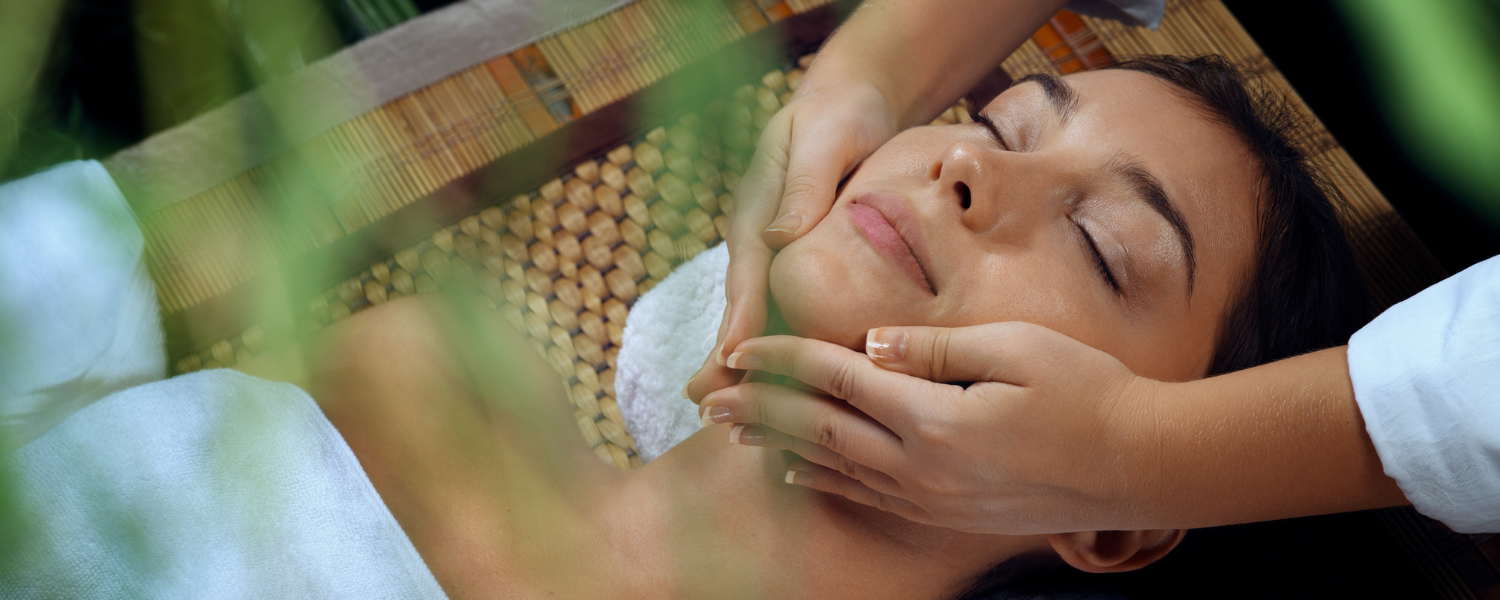
It might seem like a lot of work to manage these symptoms, but the detox massage benefits are well worth it in the long run. By regularly clearing out metabolic waste, you are giving your body a clean slate.
1. Improved Energy and Focus
Once the initial fatigue passes, most people report a significant uptick in their energy levels. With less metabolic sludge in the system, your cells can function more efficiently.
2. Enhanced Immune Function
By stimulating the lymphatic system, you are essentially helping your immune system do its job. A healthy lymph flow means your body can identify and neutralize pathogens more quickly.
3. Reduced Chronic Pain
Many of us carry old tension that has become part of our physical blueprint. Breaking this down through massage for sore muscles allows for better posture and less chronic pull on the joints.
4. Better Skin Health
Improved circulation brings oxygen and nutrients to the skin’s surface. After the initial detox period, many people find their skin looks clearer and more radiant.
Complementary Treatments: Beyond the Full Body Massage
Sometimes, you don’t need a full-body overhaul to see results. Targeted treatments can also aid in detoxification.
- Detox Foot Massage: Our feet contain thousands of nerve endings and reflexology points. A detox foot massage can stimulate the organs of elimination (like the liver and kidneys) without the full-body soreness associated with deep tissue work.
- Shiatsu Massage Detox: This Japanese technique uses finger pressure on specific meridians. It’s excellent for those who want the benefits of massage but prefer to stay clothed or want a more energetic feel to their detox.
Conclusion
Feeling a bit off after a massage isn’t a sign that something went wrong it’s often a sign that your body is doing exactly what it’s supposed to do: healing. Whether you are seeking massage for stress relief or deep structural work, the process of moving tissues and fluids will always trigger a response from your internal systems.
By understanding the detox symptoms after massage, you can take the fear out of the recovery process. Remember to hydrate, rest, and move gently. Most importantly, view those 24 hours of heaviness as an investment in your long-term health.
The next time you book a session, you’ll know exactly how to support your body through the thaw so you can enjoy the lasting benefits of a relaxed, recharged, and truly detoxified system.
👉 Your body works hard for you. It’s time to give back.
Book your detoxifying massage today and start your healing journey.
FAQ
1. Is it normal to feel sick after a deep tissue massage?
Yes, it is relatively common. This is often referred to as the “massage flu” or a “massage hangover.” When deep tissue massage breaks down chronic muscle knots, it releases trapped metabolic waste (like lactic acid) into your bloodstream. As your body works to filter this waste, you may temporarily feel fatigued, achy, or slightly nauseous.
2. Should I drink water after a massage?
Absolutely. Drinking water is the most important step in post-massage care. Hydration helps your kidneys flush out the metabolic waste and toxins that were pushed into your bloodstream during the massage. Aim for at least 16 to 32 ounces of water in the hours immediately following your session to minimize soreness.
3. Why do I feel so tired after a relaxing massage?
A massage forces your nervous system to shift from a “fight or flight” state (sympathetic nervous system) to a “rest and digest” state (parasympathetic nervous system). Because most people live in a constant state of low-grade stress, finally relaxing can cause a sudden crash in adrenaline and cortisol, leaving you feeling profoundly sleepy.
4. Can a massage make you throw up?
It is extremely rare for a massage to cause vomiting. If you feel nauseous or throw up after a massage, it is usually due to a sudden drop in blood pressure (the vasovagal response) because you sat up too quickly, or because the massage stimulated your immune system to fight a stomach bug you were already carrying. If vomiting persists, consult a doctor.
5. How long does a massage hangover last?
Most detox symptoms or “massage hangovers” resolve within 24 to 48 hours. By the third day, the fatigue and muscle soreness should be replaced by a feeling of increased flexibility, lighter muscles, and more energy.