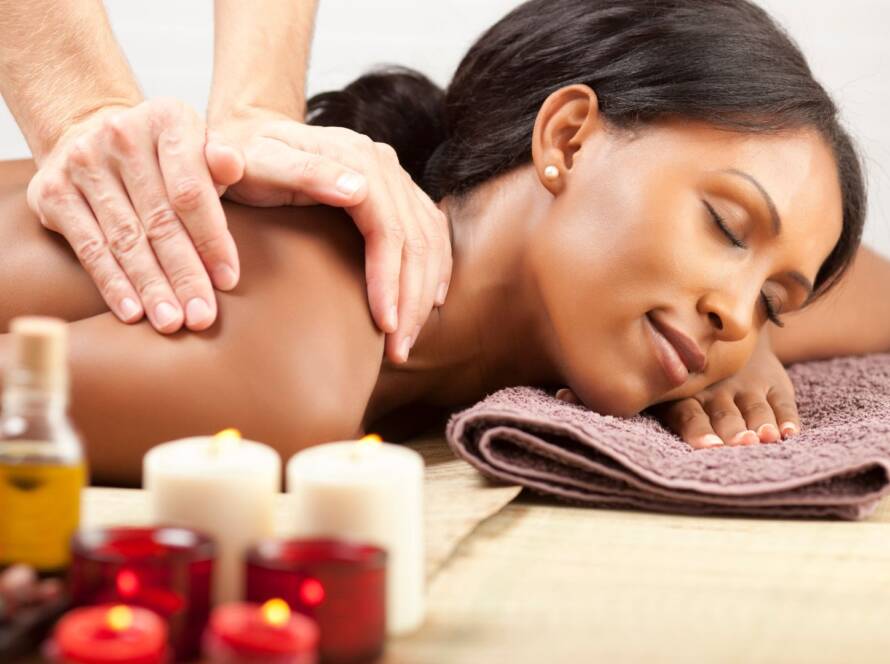
If you are exploring Eastern bodywork to unwind or ease physical tension, you have probably come across both Thai massage and Shiatsu. When comparing Thai massage vs Shiatsu, it helps to know that both traditions have roots in Asian healing practices, yet they offer distinct physical experiences.
The main difference between Thai massage and Shiatsu is movement and application. Thai massage often feels like assisted yoga, with dynamic stretches and rhythmic rocking across the body. Japanese Shiatsu focuses on stationary, concentrated finger, thumb, and palm pressure along specific pathways.
✓ Thai massage: assisted stretching, body positioning, and rhythmic compression.
✓ Shiatsu: focused finger, thumb, and palm pressure, with gentle stretching.
✓ Neither is universally better. The right choice depends on your preferences and comfort.
✓ Techniques vary by practitioner and provider.
What Is Thai Massage?
Traditional Thai massage is often traced back more than two thousand years and is influenced by Indian and Chinese healing traditions. It is sometimes called “lazy person’s yoga”, because the practitioner moves your limbs and guides your body into different positions.
Among common Thai massage techniques, you lie fully clothed on a padded mat on the floor. Rather than using oil, the therapist applies rhythmic compression with the hands, thumbs, elbows, knees, or feet along pathways known as Sen lines. At the same time, gentle assisted stretches lengthen tight muscles, open the hips, and ease the spine. This active positioning makes Thai massage a dynamic, full-body experience instead of a still, passive one.
What Is Shiatsu Massage?
Shiatsu is a Japanese bodywork modality that developed in the early twentieth century. The word means “finger pressure” in Japanese (shi means finger, atsu means pressure). It draws on older Japanese Anma massage traditions and on pressure point concepts from Traditional Chinese Medicine.
Like Thai massage, traditional Japanese Shiatsu massage is usually received in loose, comfortable clothing. The treatment approach is quite different, though. The practitioner uses the pads of the thumbs, fingers, palms, and sometimes elbows to apply steady, perpendicular pressure to specific points along the body’s pathways.
Instead of moving you through wide ranges of motion, the therapist holds focused pressure for several seconds at each point. This rhythmic acupressure massage and pressure point massage works along the back, shoulders, neck, and limbs, and many people find it grounding without being forceful. If you want an authentic Shiatsu massage in Oahu, this is the style to look for. Looking for Shiatsu massage Waikīkī visitors and locals trust? Our therapists are at International Market Place.
Thai Massage vs. Shiatsu: Key Differences
Understanding the difference between Thai massage and Shiatsu helps you set realistic expectations. Here is a side-by-side comparison of Thai massage vs Shiatsu massage:
| Feature | Thai Massage | Shiatsu Massage |
|---|---|---|
| Origin | Thailand | Japan |
| Common techniques | Rhythmic pressure, assisted stretching, body positioning | Finger, thumb, and palm pressure |
| Movement | Often active, with positioning and assisted stretches | Often stationary or rhythmic pressure, with gentle stretching |
| Clothing | Commonly performed clothed | Often performed clothed, depending on the provider |
| Main appeal | Stretching and whole-body movement | Focused pressure and a structured bodywork experience |
Techniques vary by practitioner and provider, so treat this as a general guide.
Movement and Posture
Thai massage involves more movement. You may be asked to turn, sit up, or shift while the therapist lifts your legs, stretches your hamstrings, or arches your back. In Shiatsu you stay largely still while the practitioner moves their hands and body weight from point to point.
Tools and Contact
Thai massage therapists may use forearms, knees, and feet for leverage and for guiding the body into stretches. Shiatsu practitioners work mainly with thumb and palm pressure, leaning in with body weight to apply steady, sustained pressure.
Setting
Both styles are traditionally received clothed, without oils, and Thai massage in particular is typically done on a floor mat because it needs space. Many modern centers adapt Shiatsu to a massage table for comfort.
What Are the Benefits of Thai Massage?
The main Thai massage benefits appeal to people who enjoy movement and flexibility work. Benefits are personal and are not guaranteed, and this is general wellness information, not medical advice.
- ✓Flexibility and range of motion: A stretching massage like this can help you feel looser in the hips, shoulders, and spine.
- ✓An energizing feel: Many people leave feeling refreshed and alert instead of sleepy.
- ✓Perceived tension relief: Rhythmic compression across large muscle groups may ease stiffness and build body awareness.
What Are the Benefits of Shiatsu Massage?
Shiatsu massage benefits are on relaxation, comfort, and the experience of focused pressure.
- ✓Calming relaxation: The steady, rhythmic pace makes it an excellent relaxation massage for quieting a busy mind.
- ✓Focused muscle release: Pressure on specific points can help ease stubborn tightness in the upper back, shoulders, and hips without forceful friction.
- ✓A sense of balance: Many people describe feeling more grounded and at ease afterward.
- ✓Pairs well with other care: Shiatsu combines nicely with a head and scalp massage or sessions that highlight the deep tissue massage Therapy for postural strain.
Which Is Better: Thai Massage or Shiatsu?
There is no universal winner. When people ask which is better, Thai massage or Shiatsu, the answer depends on your daily physical demands, preferences, and comfort.
| Your goal | A good starting point |
|---|---|
| Stretching and mobility | Thai massage, with its assisted stretching and movement |
| Quiet relaxation and stress relief | Shiatsu, with steady, focused pressure while you stay still |
| Easing a specific tight spot | Shiatsu, with pressure on specific points |
| A first-time bodywork experience | Shiatsu, since pressure is easy to adjust from light to firm |
| Feeling energized afterward | Thai massage, which many people find invigorating |
Pressure is a matter of preference, not style. Either approach can be gentle or firm, so tell your therapist what feels right and ask them to adjust as you go.
- You enjoy yoga, mobility work, or deep stretching
- You like an active, dynamic session
- You want to leave feeling energized and ready to move
- You prefer focused pressure on specific tight spots
- You want a calm, grounding session to unwind from stress
- You are visiting Honolulu and want to recover after travel or outdoor adventures
At Shiatsu & Massage Center, we specialize in Shiatsu and offer other therapeutic massage styles. See our full massage services to find the right fit.
What Should You Know Before Booking?
Thai Massage vs. Shiatsu FAQs
1. What is the main difference between Thai massage and Shiatsu?
Thai massage combines rhythmic compression with assisted stretching and body positioning. Shiatsu focuses on stationary finger, thumb, and palm pressure on specific points.
2. Is Thai massage more intense than Shiatsu?
It depends on the practitioner and your preferences. Thai massage can feel more physically demanding because of the stretching and movement, while Shiatsu applies focused pressure while you stay still.
3. Does Thai massage involve stretching?
Yes. Assisted stretching is a core part of traditional Thai massage, and it helps loosen the hips, shoulders, and spine.
4. Is Shiatsu massage performed with clothes on?
Traditionally, yes. Shiatsu is usually done in loose, comfortable clothing without oils, though it can vary by provider.
5. Which is better for relaxation, Thai massage or Shiatsu?
Both can relieve stress. Many people find Shiatsu quieter and calmer because you stay still, while Thai massage often feels more invigorating.
6. Can beginners try Shiatsu massage?
Yes. A therapist can adjust the pressure from light to firm to suit your comfort level.
7. What should you tell a massage therapist before your session?
Share any joint pain, past injuries, surgeries, tension areas, or pregnancy, and your preferred pressure, so the session can be tailored to you.