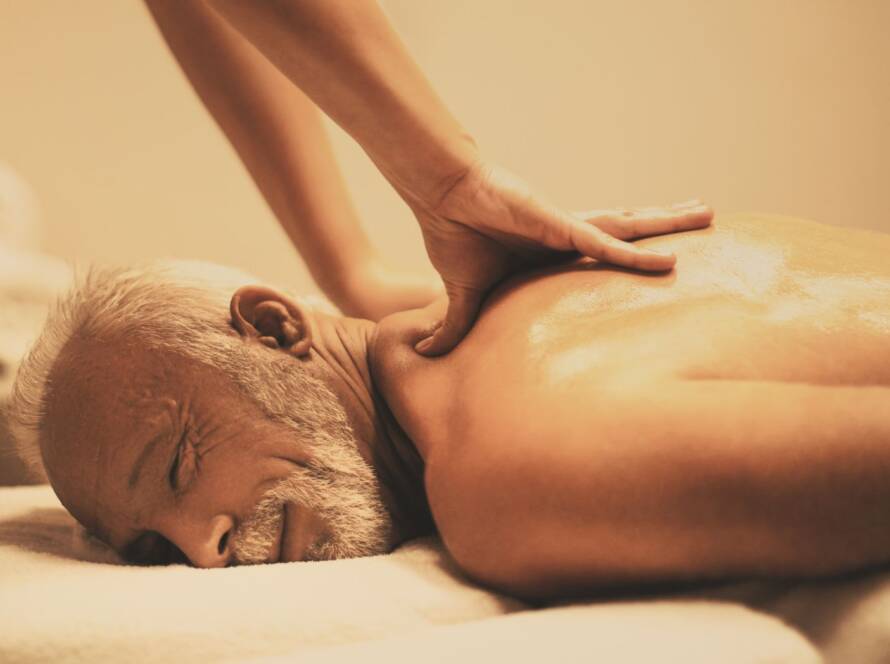
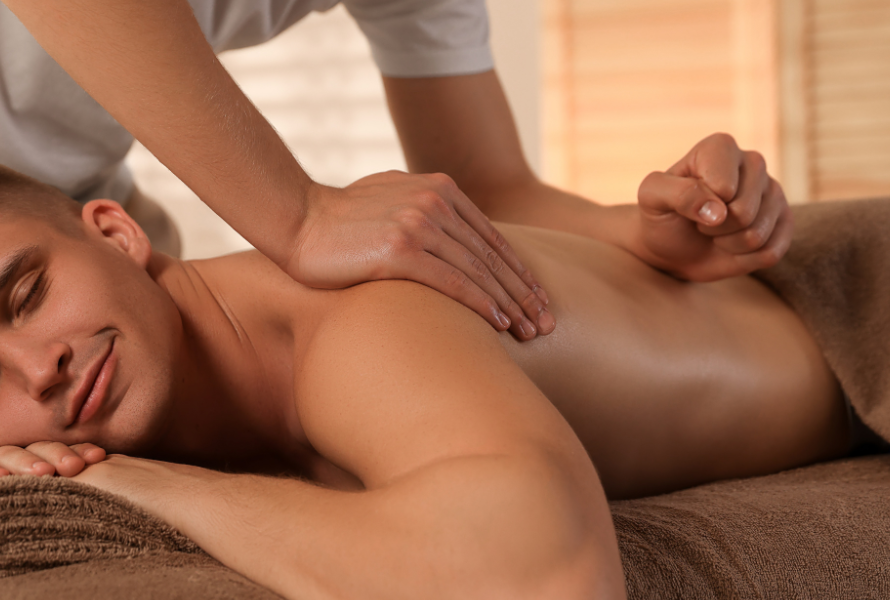
You booked a massage expecting pure relaxation, hoping to melt away a week of stress or soothe tight shoulders. But the next morning, you roll out of bed and notice your body feels surprisingly tender, almost like you completed a strenuous workout. It is completely natural to pause and wonder: is it normal to ache after a massage, or did something go wrong on the table?
Many clients walk in thinking they will feel completely weightless right away. While deep calm is the primary goal, mild aching or tenderness afterward can catch you off guard. Learning why your muscles react this way can put your mind at ease and help you get the most benefit from your treatment.
Is It Normal To Ache After A Massage?
A session should always support your recovery and relaxation. The old saying “no pain, no gain” does not belong in professional bodywork. Mild sensitivity is a natural reaction to tissue manipulation, but lasting or severe pain should never be the goal of your session.
Why Am I Sore After A Massage?
If you find yourself asking, “Why am I sore after a massage?”, you are not alone. Muscle soreness after massage comes down to how physical touch interacts with your muscles and nervous system. Here is a closer look at what is happening.
Your Muscles Are Responding To Pressure
During bodywork, a therapist uses their hands, forearms, or fingers to work through tight layers of tissue. This can release muscle tension and increase local blood circulation. As restricted fibers stretch and lengthen, your soft tissues may feel much like they do when you start a new exercise routine. This tissue stimulation can result in temporary tenderness.
Deep Tissue Massage Can Cause More Tenderness
Techniques that focus on deep tissue massage target chronic knots, postural adhesions, and stubborn tension buried beneath the surface layers. Releasing these restrictions takes concentrated pressure, so soreness after deep tissue massage is more common than tenderness after lighter styles. To learn how targeted pressure works on chronic tightness, read about the deep tissue massage benefits.
Your Body May Be Adjusting
Your body adapts to your daily habits. If you spend eight hours at a desk, your muscles adapt to that shortened position. When a therapist opens your chest or stretches tight hip flexors, your body has to adjust to that new alignment. This is most noticeable if it is your first session, you are trying a new technique, or you asked for stronger pressure than your tissues are used to.
How Long Does Soreness Last After A Massage?
Clients often ask how long soreness lasts after a massage. For most people, body aches after massage follow a short and predictable timeline:
Is Pain After A Massage Normal?
It is important to draw a clear line between healthy muscle sensitivity and a possible problem. Normal post-session tenderness feels like a dull, widespread ache across the muscles that were treated. It is temporary, tolerable, and fades over a couple of days.
| Normal Soreness | Warning Signs |
|---|---|
| Mild tenderness | Sharp or stabbing pain |
| Temporary discomfort | Severe swelling |
| General muscle sensitivity | Bruising or burning sensations |
| Improves with time | Gets worse instead of better |
Massage should never cause sharp pain or joint distress. If you notice these warning signs, the pressure may have been too strong for your tissues at that moment, and it is worth speaking to your therapist and, if symptoms continue, a healthcare professional.
Deep Tissue Massage vs Relaxation Massage: Why Soreness Differs
| Feature | Deep Tissue Massage | Relaxation (Swedish) Massage |
|---|---|---|
| Primary focus | Deeper connective tissues, chronic stiffness, and stubborn knots | Calming the body and promoting mental rest |
| Technique and pressure | Slower strokes and sustained pressure | Long, flowing, rhythmic strokes with gentle to moderate pressure |
| Primary benefits | Helps ease chronic tension and deep muscular tightness | May help reduce stress and encourage relaxation |
| Next-day soreness | Fairly common for 1 to 2 days | Less common, because the pressure is lighter |
If you want a gentler experience, see the relaxation massage benefits or ask about a customized full body massage at a pressure that suits you.
What To Do After A Massage To Reduce Soreness
Good aftercare helps your muscles recover, minimizes tenderness, and extends the benefits of your appointment. Here are four simple massage recovery tips:
Should You Tell Your Massage Therapist If You Are Sore?
Yes. A professional massage therapist relies on your feedback. Speak up during the session if the pressure feels too intense, and mention any soreness at your next visit. Every body is different, and a licensed massage therapist can adjust pressure, technique, and session goals. Customized massage therapy should match your comfort level so you leave feeling renewed, not beaten down.
How To Choose The Right Massage Pressure
More pressure does not mean better results. The right intensity depends on what your muscles need on any given day:
- ✓Light pressure: Ideal for stress reduction and calming an overstimulated body.
- ✓Medium pressure: A good fit for everyday desk fatigue, tight shoulders, and moderate stiffness, with little next-day tenderness.
- ✓Deep pressure: Best for stubborn postural patterns and chronic knots, though it may need a short recovery period afterward.
When Should You Avoid Another Massage?
Safety always comes first. Pause your appointments and seek medical advice if you experience severe pain, significant swelling, numbness, radiating nerve pain, or symptoms that suggest an injury such as a muscle tear. Reviewing these massage safety tips can help you book your treatments responsibly.
Professional Massage Therapy In Honolulu & Waikīkī
A qualified practitioner makes your treatment both safe and genuinely restorative. Whether you are recovering from a long flight across the Pacific or managing everyday tension, experienced massage therapy in Honolulu can be tailored to your comfort level, goals, and muscle condition.
A skilled massage therapist in Honolulu listens to your concerns, adjusts pressure to your comfort range, and delivers therapeutic massage designed around your goals. You can also explore Shiatsu massage for a gentler, rhythmic approach.
Frequently Asked Questions
1. Is it normal to be sore after a massage?
Yes, mild soreness can happen after massage, especially after deeper techniques, but it should improve within a short period.
2. Why do my muscles hurt after a massage?
Massage can stimulate tight muscles and soft tissues, causing temporary tenderness as the body adjusts.
3. How long does soreness last after a massage?
Most mild soreness improves within 24 to 48 hours.
4. Should a massage hurt to be effective?
No. Effective massage should not cause excessive pain. Proper pressure should match your comfort level.
5. Is soreness after deep tissue massage normal?
Yes, some tenderness can occur after deep tissue massage because stronger pressure targets deeper muscle tension.
Book A Massage Tailored To You
Tell us your pressure preference and goals, and our therapists will customize your session.