Whether you are a professional athlete, a weekend warrior, or someone spending forty hours a week hunched over a laptop, you have likely felt that familiar ache in your shoulders or the tightness in your calves.
When the discomfort becomes too much to ignore, many of us turn to the massage table. But beyond the dim lights and soothing music, what is actually happening beneath the skin?
Understanding how do massages help muscles is about more than just feeling pampered; it is about understanding the physiological mechanisms that allow our bodies to heal, adapt, and perform. Massage therapy serves as a bridge between intense physical exertion and the recovery needed to stay healthy.
In this blog, we will dive deep into the science of muscle tension, the role of circulation, and the specific techniques that make massage a powerhouse for muscle health.
Why Muscles Get Sore: The Basics of Muscle Tension

To understand how do massages help muscles, we first need to look at why they get grumpy in the first place. Muscle soreness generally falls into two categories: acute soreness (felt during or immediately after exercise) and Delayed Onset Muscle Soreness (DOMS), which peaks 24 to 72 hours after a workout.
Overuse and Micro-Tears
When you push your body, you create microscopic tears in the muscle fibers. While this is a necessary part of building strength, it triggers an inflammatory response. This inflammation is what causes the stiffness and “heavy” feeling in your limbs.
Poor Posture and Modern Life
Not all muscle pain comes from the gym. Sitting at a desk for long periods causes certain muscles (like your hip flexors and chest) to shorten and tighten, while others (like your upper back) become overstretched and weak. This imbalance creates “muscle knots,” or myofascial trigger points, which are hyper-irritable spots in the fascia surrounding the muscle.
The Role of Recovery
Without proper recovery, these minor issues can snowball into chronic pain or injury. This is where the question arises: how do massages help muscles? By intervening in the inflammatory process and manually addressing those knots, massage prevents temporary soreness from becoming a permanent problem.
How Massage Helps Relieve Muscle Tension

The primary way how do massages help muscles is through the manual manipulation of soft tissue. When a therapist applies pressure, they are essentially performing “mechanical signaling” to the cells.
Loosening the Grip
Tight muscles are often stuck in a state of semi-contraction. Massage helps “reset” the nervous system, encouraging the muscle fibers to release their grip. By applying sustained pressure to trigger points, a therapist can break the cycle of pain and tension, allowing the muscle to return to its natural, elongated state.
Releasing the Fascia
Fascia is the connective tissue that wraps around every muscle, bone, and organ. When you are dehydrated or inactive, this fascia can become sticky and “glued” together. Techniques like muscle tension relief massage work to stretch and hydrate this tissue, improving your overall range of motion.
The Power of Relaxation
Stress causes the body to produce adrenaline and cortisol, which keep muscles in a “fight or flight” state of readiness. Massage triggers the parasympathetic nervous system your “rest and digest” mode which is the only state in which true muscle repair can occur.
Massage Improves Blood Circulation to Muscles

One of the most scientifically backed answers to how do massages help muscles involves the cardiovascular system. Think of your blood as a delivery truck and a garbage collector rolled into one.
Nutrient Delivery
When muscles are massaged, the physical pressure moves blood through congested areas. Once that pressure is released, new, oxygen-rich blood flows in. This blood carries the essential nutrients and amino acids required to repair the micro-tears mentioned earlier.
Waste Removal
Metabolic byproducts, such as lactic acid and carbonic acid, can accumulate in the muscle tissue after a hard workout. While the body eventually clears these out on its own, a circulation massage for muscles speeds up the process. By manually “flushing” the tissues, massage helps the lymphatic system carry away these toxins, reducing the duration of soreness.
Massage Helps Prevent Muscle Strains and Injuries
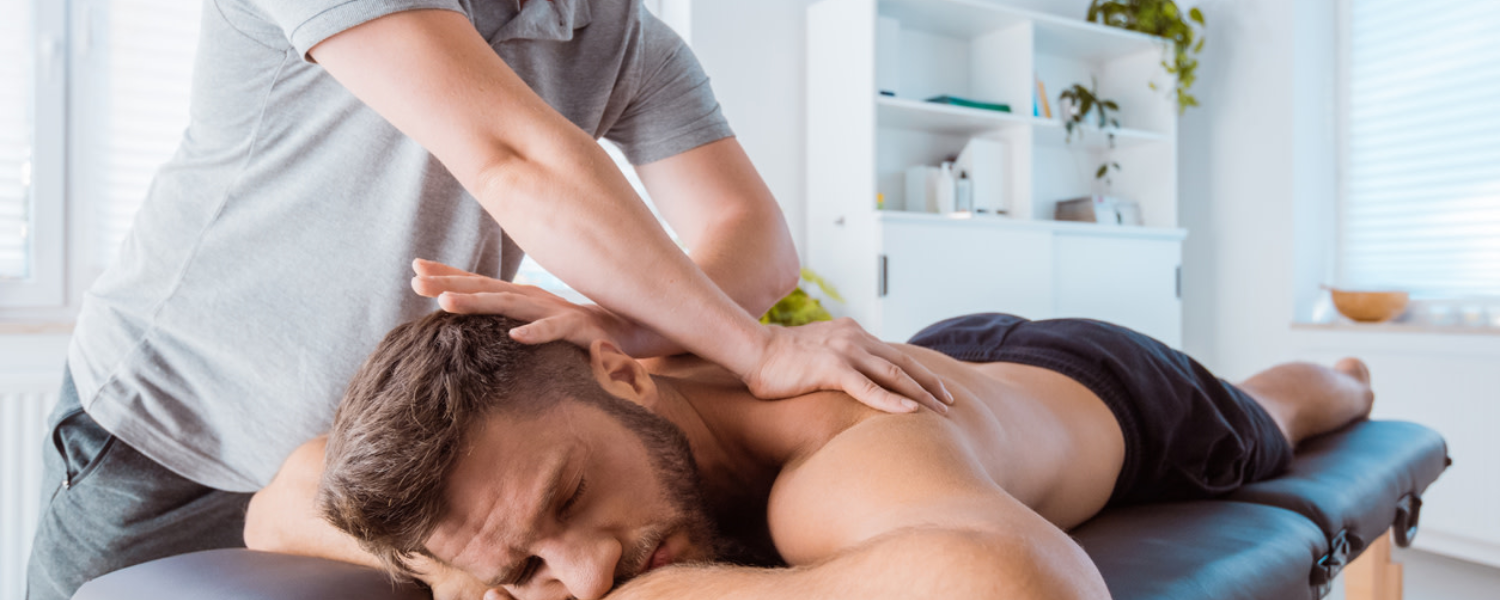
Prevention is always better than a cure. If you’ve ever wondered how do massages help muscles in the long term, the answer lies in flexibility and conditioning.
- Improved Elasticity: Regular massage keeps the muscle fibers supple. A supple muscle can absorb shock and stretch further before tearing compared to a tight, brittle muscle.
- Identifying Imbalances: A skilled therapist can often feel a “tight spot” before it turns into a full-blown strain. By addressing these areas early, you can correct your form and avoid compensatory injuries.
- Range of Motion: By keeping the joints lubricated and the muscles flexible, you ensure that your body moves as a cohesive unit, which is the foundation of muscle recovery and injury prevention.
Massage and Muscle Recovery After Workouts
For those who lead an active lifestyle, the timing of a massage is crucial. Many people ask, how do massages help muscles specifically after a gym session?
A post-workout muscle massage is designed to reduce the severity of DOMS. Research published in the Journal of Athletic Training suggests that massage can reduce the sensation of soreness by approximately 30%. It does this by suppressing the production of cytokines, which are molecules that play a role in inflammation. Simultaneously, massage stimulates the mitochondria the “powerhouses” of your cells encouraging them to produce more energy for cellular repair.
Using a sports massage for muscle recovery is a staple for professional athletes because it allows them to return to training faster without the risk of overtraining or burnout.
Massage Reduces Inflammation in Muscles
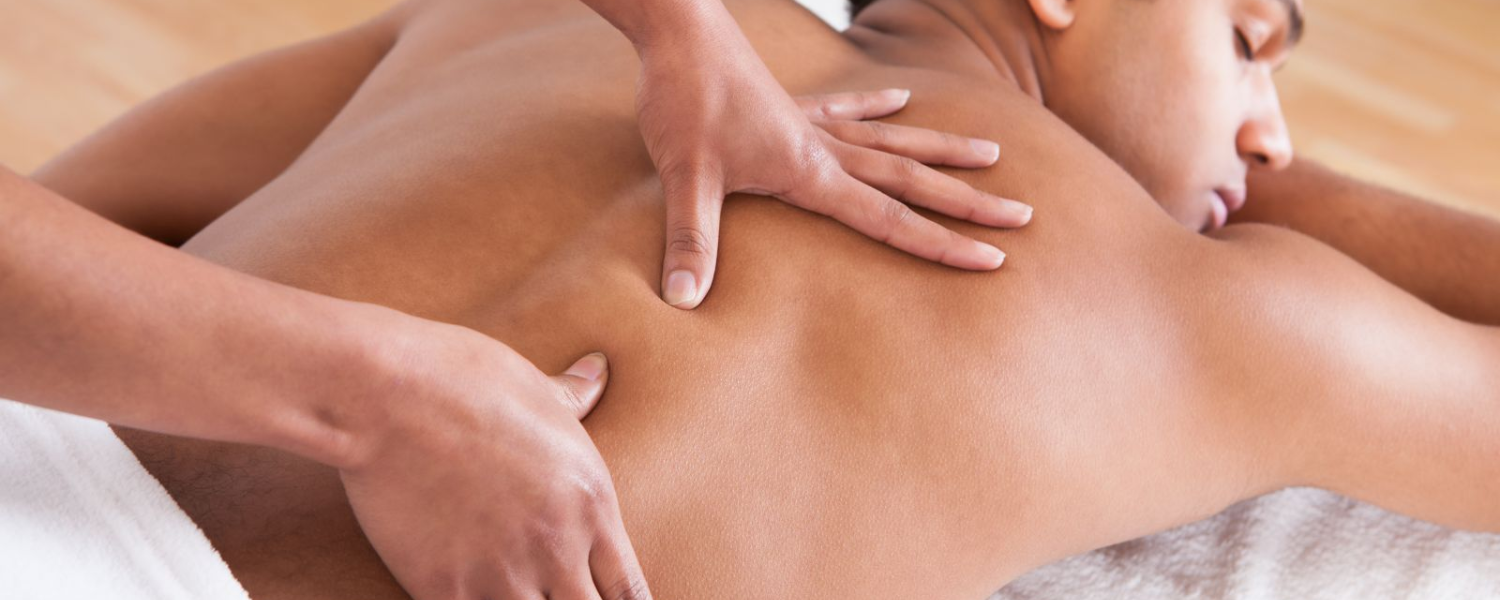
Inflammation is a double-edged sword. You need it to heal, but too much of it causes pain and slows you down. When looking at how do massages help muscles, the reduction of swelling is a major factor.
Lymphatic Drainage
The lymphatic system doesn’t have a “pump” like the heart; it relies on movement and pressure to circulate. Massage assists in the flow of lymphatic fluid, which carries white blood cells to areas of injury and hauls away cellular debris.
Managing the Immune Response
Studies have shown that even a single session of massage can lead to an increase in the number of lymphocytes (cells that help the immune system fight off “invaders”). This boosted immune response helps the body manage the internal “clean-up” required after muscle damage or intense fatigue.
Which Massage Techniques Are Best for Muscles?
Not all massages are created equal. Depending on your goals, different modalities offer different answers to the question: how do massages help muscles?
Shiatsu Massage
Originating from Japan, Shiatsu massage for muscle relief uses rhythmic finger pressure on specific points of the body (meridians). It is exceptionally effective for balancing energy and relieving systemic tension. It’s a great choice for those who want a holistic approach to muscle recovery.
Deep Tissue Massage
If you are struggling with chronic “knots,” deep tissue massage for muscle recovery is the gold standard. This technique uses slow, firm strokes to reach the deeper layers of muscle and the surrounding fascia. It is specifically designed for massage for muscle knots, breaking up adhesions that limit mobility.
Sports Massage
This is a targeted approach that focuses on the muscle groups most used in your specific activity. Whether it’s for a runner’s hamstrings or a swimmer’s shoulders, sports massage emphasizes flexibility and the prevention of repetitive strain injuries.
Relaxation Massage
Sometimes, the best way to help a muscle is simply to let it rest. A relaxation massage for muscle pain uses lighter pressure to soothe the nervous system. This is ideal when the pain is driven more by stress and systemic fatigue than by physical trauma.
Not sure which technique your muscles need?
Conclusion
So, how do massages help muscles? As we have seen, it is a multi-faceted process. It involves the physical breaking down of adhesions, the chemical reduction of inflammation, the circulatory boost of nutrient delivery, and the neurological shift from stress to relaxation.
By incorporating regular bodywork into your routine whether you are looking for therapeutic massage in honolulu or a local clinic in your hometown you are investing in the longevity of your body. Muscles are the engines that move us through the world; taking the time to “tune” them through massage ensures you can keep moving smoothly for years to come.
Your muscles carry you through life give them the care they deserve.
FAQ
1. Are massages actually good for your muscles?
Yes. Beyond the immediate feeling of relaxation, massages have measurable physiological benefits. They reduce inflammatory markers, increase mitochondrial biogenesis (cell repair), and improve the elasticity of the muscle fibers and fascia.
2. How long should you wait between massages?
For general maintenance, once a month is often sufficient. However, if you are training for an event or recovering from a specific injury, you might benefit from a session once a week or every two weeks. Always listen to your body and consult with your therapist.
3. Does massage help with cortisol levels?
Absolutely. Studies have consistently shown that massage therapy lowers cortisol (the stress hormone) levels in the blood while simultaneously boosting serotonin and dopamine (the “feel-good” hormones).
4. Is 30 minutes of massage enough?
A 30-minute session is excellent for “spot work.” If you have one specific issue, like a stiff neck or a tight calf, 30 minutes allows for targeted relief. However, for a full-body recovery session, 60 to 90 minutes is usually recommended.
5. Where does lymphatic fluid go after massage?
Massage moves lymphatic fluid toward the lymph nodes, which are located in areas like the neck, armpits, and groin. There, the fluid is filtered for toxins and waste before being returned to the bloodstream and eventually excreted through urine or sweat.
6. Is a 1 hour massage too long?
Not at all. For most people, a 1-hour massage is the “sweet spot.” it provides enough time for the therapist to address the whole body while spending extra time on problem areas without over-stimulating the nervous system.
7. What should you do after a massage?
Drink plenty of water to help your kidneys process the metabolic waste released during the session. Avoid strenuous exercise for at least 12–24 hours to allow your muscles to settle into their new, relaxed state.
8. How frequent is too frequent for massages?
Getting a deep tissue massage every single day can actually be counterproductive, as the muscles need time to recover from the pressure, much like they do after a workout. For most people, more than twice a week is unnecessary unless directed by a medical professional.