Introduction
You climb off the massage table after an hour of blissful relaxation. Your muscles feel loose, your shoulders have finally dropped away from your ears, and your mind is completely quiet. But as soon as your feet touch the floor, the room starts to spin. Your head feels light, your legs feel like jelly, and you have to grip the edge of the table just to stay upright.
If you have ever experienced being dizzy after massage, you know how unsettling it can be. You went into the session looking for wellness and relief, so leaving with a case of the spins can feel alarming.
Please take a deep breath and rest assured: dizziness after massage is a surprisingly common experience. For most people, it is a brief, harmless reaction to the profound physiological changes that happen when your body shifts into a state of deep rest.
This guide will explore why you might experience feeling lightheaded after massage, look closely at what is happening inside your circulatory and nervous systems, and give you practical tools to recover quickly and prevent it from happening at your next session.
Why Feel Dizzy After a Massage
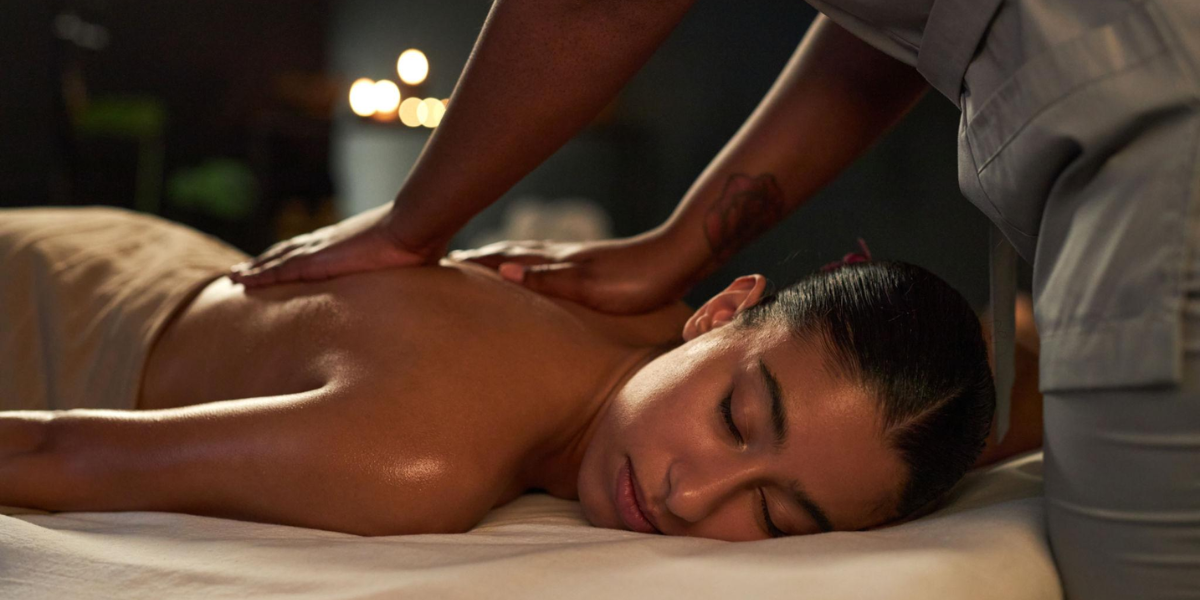
To understand why do I feel dizzy after a massage, we have to look at what massage therapy actually does to your internal biology. A massage is not just a luxury treatment for your skin and muscles; it is a powerful therapeutic intervention that directly alters your cardiovascular, lymphatic, and nervous systems.
When a massage therapist works on your body, they manipulate your soft tissues, release chronic muscle tension, and stimulate blood flow. This mechanical action triggers a chain reaction. Your blood vessels widen, your heart rate slows down, and your nervous system flips from a stressed “fight-or-flight” state into a deeply relaxed “rest-and-digest” state.
While these changes are exactly what make massage therapy so beneficial, they can also cause a temporary drop in your blood pressure and a shift in how oxygen moves to your brain. When you stand up too quickly after spending an hour in this deeply altered state, your body occasionally struggles to adapt instantly to gravity, resulting in a sudden wave of lightheadedness.
Common Causes of Dizziness Post-Massage
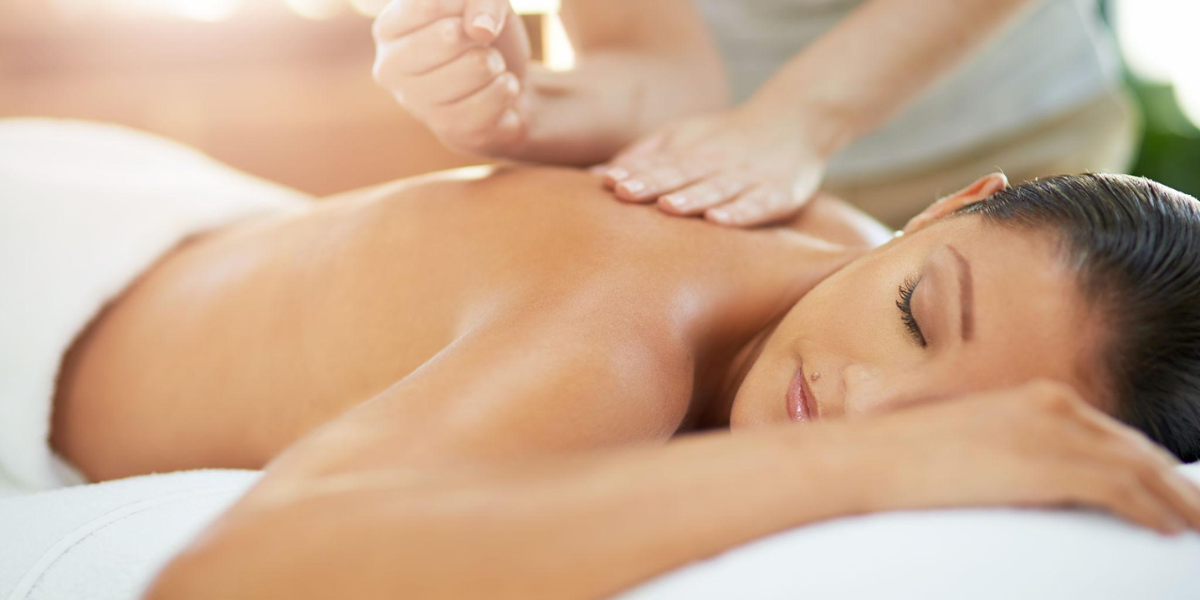
There is rarely just one single reason behind a post-massage dizzy spell. Instead, it is usually a combination of several physiological factors working together. Let’s break down the primary culprits.
1. Blood Pressure Drops (Orthostatic Hypotension)
The most common cause of feeling lightheaded after a session is a temporary drop in blood pressure. During a massage, especially a full-body relaxation style, your blood vessels dilate (widen). This allows blood to flow more freely, which naturally lowers your blood pressure. If you stand up rapidly from a lying position, gravity pulls your blood downward into your legs and torso. Because your blood vessels are relaxed and wide, your body takes an extra moment to pump enough blood and oxygen back up to your brain. This brief delay is known as orthostatic hypotension, and it is the leading reason why standing up too quickly increases dizziness after massage.
2. Inner Ear Shifts
Your inner ear contains a complex system of fluid-filled canals and tiny sensory receptors that manage your balance and spatial awareness. When a therapist performs a detailed neck, shoulder, or cranial massage, the physical pressure and movement can stimulate these delicate structures. For some individuals, this physical manipulation can cause a temporary mismatch in the balance signals sent from the inner ear to the brain, leading to a brief sensation of vertigo or spinning.
3. Muscle Relaxation and Nervous System Recalibration
When your muscles are chronically tight, they act like tiny tourniquets, restricting local blood flow. When a therapist releases those deep knots, the sudden relaxation allows blood to rush back into those areas. At the same time, your autonomic nervous system goes through a massive recalibration. It transitions out of sympathetic dominance (stress) and plunges into parasympathetic dominance (relaxation). This radical shift can temporarily leave you feeling spaced out, ungrounded, or dizzy as your body works to find its balance again.
“Your nervous system is recalibrating during deep relaxation – dizziness is usually temporary.”
How Blood Flow and Pressure Changes Affect Your Body
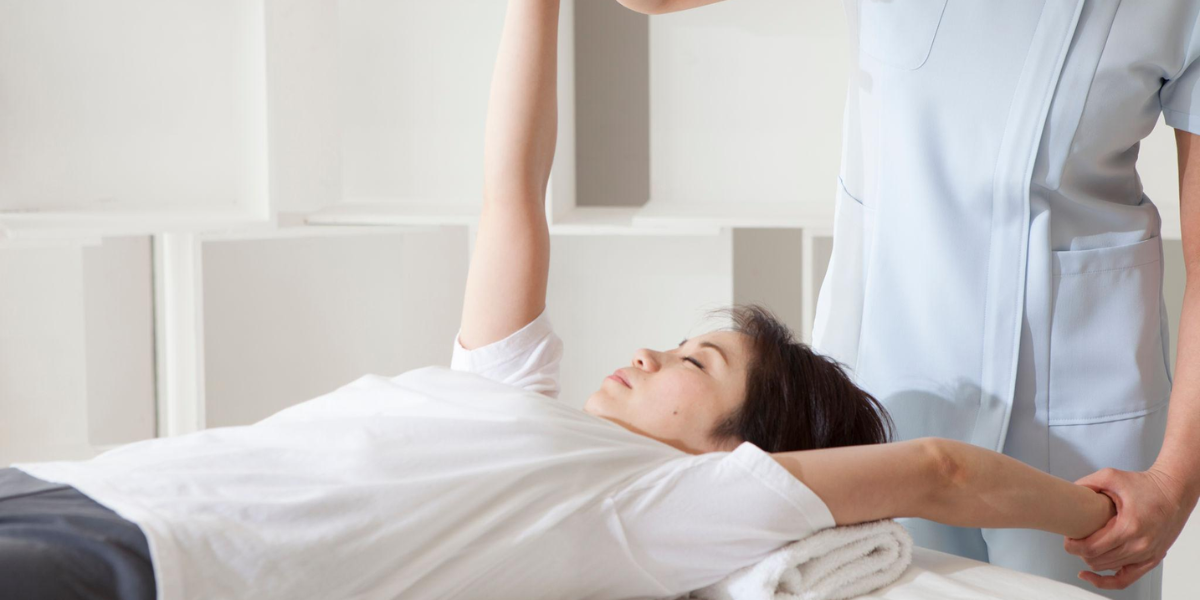
To dig a bit deeper into the science, we must look at how our blood vessels react to sustained touch. When your skin and muscles are manipulated, your body releases a chemical called nitric oxide, which signals the smooth muscles surrounding your blood vessels to relax.
This triggers what medical professionals call a vasovagal response. Your heart rate slows down, your blood vessels widen, and your blood pressure dips. For someone who already has naturally low blood pressure, this dip can be quite pronounced.
Furthermore, different styles of bodywork affect your circulation in unique ways. A deep tissue massage uses heavy, sustained pressure to reach deep muscle layers, which can mobilize a large volume of pooled blood. A Shiatsu massage focuses on specific acupressure points and energy pathways, which can trigger rapid shifts in your nervous system. Even a gentle relaxation massage can lower your stress hormones so effectively that your systemic blood pressure drops. When you transition from lying flat on your stomach to standing on your feet, your cardiovascular system has to work hard to equalize that pressure.
Dehydration and Nutrient Shifts

Another major piece of the puzzle involves fluid dynamics and metabolic waste. You have likely heard your massage therapist tell you to hydrate after massage, but you might not know the scientific reason why.
Lymphatic Fluid Movement
Massage therapy acts like a mechanical pump for your lymphatic system. Your lymphatic system is responsible for moving waste fluids, toxins release , and metabolic byproducts out of your tissues and into your bloodstream so your kidneys and liver can filter them out. If you are already slightly dehydrated before you get on the table, your blood volume is lower, and your lymphatic fluid is thicker. The sudden movement of these fluids during a massage can overwhelm your system, altering your fluid balance and causing dehydration after massage, which directly manifests as dizziness, a dry mouth, or a mild headache.
Low Blood Sugar Effects
Lying on a massage table might look like resting, but your body is actually expending energy. The deep tissue manipulation, increased circulation, and cellular repair work require glucose. If you haven’t eaten for several hours before your appointment, your blood sugar levels can drop during the session. Combining low blood sugar with low blood pressure is a surefire recipe for feeling weak, shaky, and lightheaded the moment your session ends.
Dizziness After Specific Massage Types
The specific type of bodywork you choose can influence how your body responds afterward. Let’s look at how three popular styles interact with your system.
1. Deep Tissue Massage
Deep tissue work involves intense, targeted pressure to break up scar tissue and chronic muscle knots. Because this style causes mild, controlled inflammation in the muscles, it triggers a strong immune and circulatory response. The release of metabolic waste from deeply locked muscles can cause significant deep tissue massage side effects, including a heavy feeling of lightheadedness, muscle soreness, and a general “massage hangover.”
2. Shiatsu Massage
Shiatsu is a traditional Japanese bodywork style that uses finger pressure on specific meridian points to balance the body’s energy flow. While it does not rely on heavy oil or long strokes, it profoundly impacts the nervous system. The targeted pressure can stimulate the vagus nerve, inducing an incredibly deep state of sedation. Because it works so closely with the body’s energetic and nervous pathways, a powerful Shiatsu session can sometimes leave you feeling disconnected or dizzy as your body processes the shifts. However, the long-term Shiatsu massage benefits such as reduced stress and improved energy balance far outweigh this brief transitional phase.
3. Relaxation / Swedish Massage
A traditional Swedish massage focuses on long, gliding strokes designed to calm the mind and improve surface circulation. Because it is so soothing, it is highly effective at lowering blood pressure. The dizziness experienced after a relaxation massage is almost exclusively due to orthostatic hypotension your body simply relaxed so deeply that it needs a few extra minutes to wake up and stabilize your blood pressure when you stand up.
Other Minor Side Effects You Might Notice
Dizziness is rarely an isolated symptom. It often presents alongside a cluster of other mild, temporary post-massage symptoms as your body recovers.
- Mild Nausea: As lymphatic fluid moves and toxins enter your bloodstream for elimination, your digestive system can feel briefly disrupted, leading to a wave of mild nausea.
- Feeling Tired or Weak: It is incredibly common to experience feeling tired after massage or feeling weak after massage. Your body uses a lot of energy to process the physical changes and repair muscle tissues. This is often referred to as being exhausted after a massage, which is a sign your body has entered a deep healing phase.
- Muscle Soreness: Especially after deep tissue or trigger point work, your muscles might feel tender or bruised for 24 to 48 hours, similar to how you feel after a strenuous workout.
Immediate Recovery Steps
If you sit up after your massage and realize the room is spinning, do not panic. Follow these simple steps to help your body regain its balance quickly.
- Sit Slowly Before Standing: Do not rush off the table. When your therapist leaves the room, roll onto your side first, use your arms to push yourself up to a sitting position, and let your feet dangle over the edge of the table for at least a full minute. This gives your blood pressure time to stabilize.
- Hydrate Immediately: Drink a full glass of water right away. If the massage center offers water or herbal tea after your session, sit down in the lobby and drink it slowly. This helps restore your blood volume and flushes out mobilized metabolic waste.
- Eat a Small Snack: If you suspect low blood sugar is contributing to your shakiness, eat a small snack that contains simple carbohydrates and protein, such as a piece of fruit, a handful of nuts, or a small granola bar.
- Apply a Cool Towel: If you feel flushed or overheated along with the dizziness, ask your therapist for a cool, damp cloth. Placing it on the back of your neck or across your forehead can quickly ground your nervous system and reduce the spinning sensation.
“Sometimes dizziness after a massage is your body asking for hydration, rest, and gentle movement.”
Preventing Dizziness at Future Massage Sessions
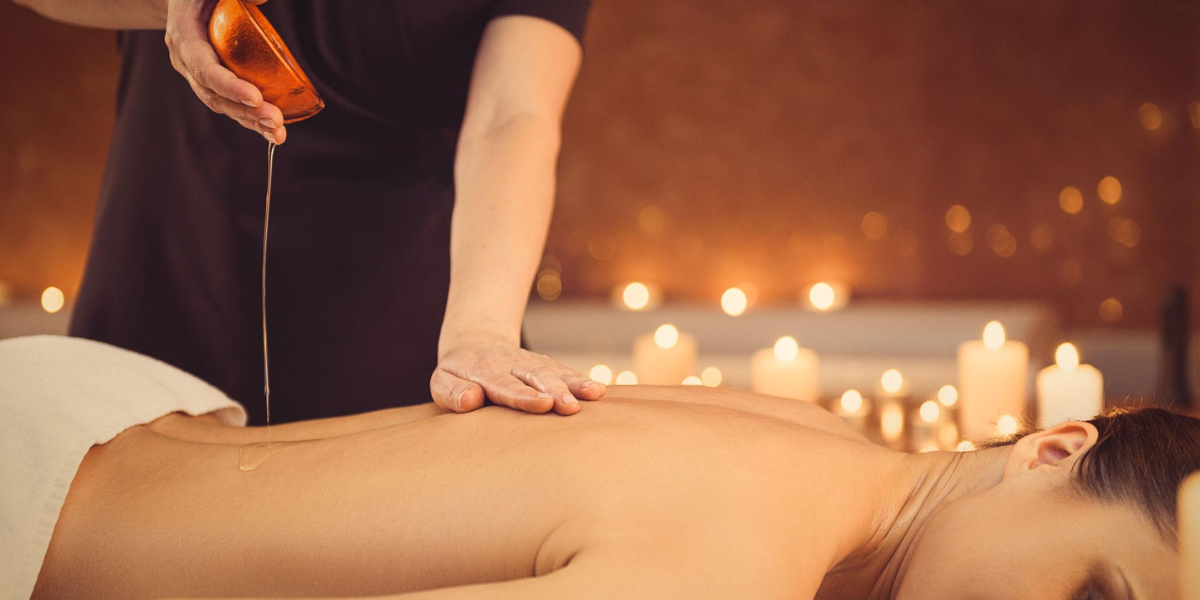
You do not have to give up the incredible benefits of massage therapy just because you get dizzy. With a few smart adjustments before you arrive at the clinic, you can completely prevent or minimize these side effects.
- Drink Water Beforehand: Start focusing on your hydration the day before your appointment. If your body is well-hydrated before you get on the table, your blood volume will remain stable, and your lymphatic system will handle the fluid shifts much more smoothly.
- Eat a Light Meal: Avoid getting a massage on an empty stomach, but don’t eat a massive, heavy meal right before either. Eat a light meal or a balanced snack about one to two hours before your session to keep your blood sugar steady.
- Communicate with Your Therapist: Always tell your practitioner if you have a history of dizziness, low blood pressure, or vertigo. If you are a first time massage client, let them know! They can modify their techniques, avoid aggressive neck stretching, and give you extra time to rest at the end of the session.
- Avoid Alcohol or Heavy Exercise Prior: Alcohol dehydrates your body and thins your blood, while heavy workouts deplete your muscles and drop your blood sugar. Both will drastically increase your chances of experiencing severe post-massage dizziness.
Post-Massage Care for Optimal Recovery
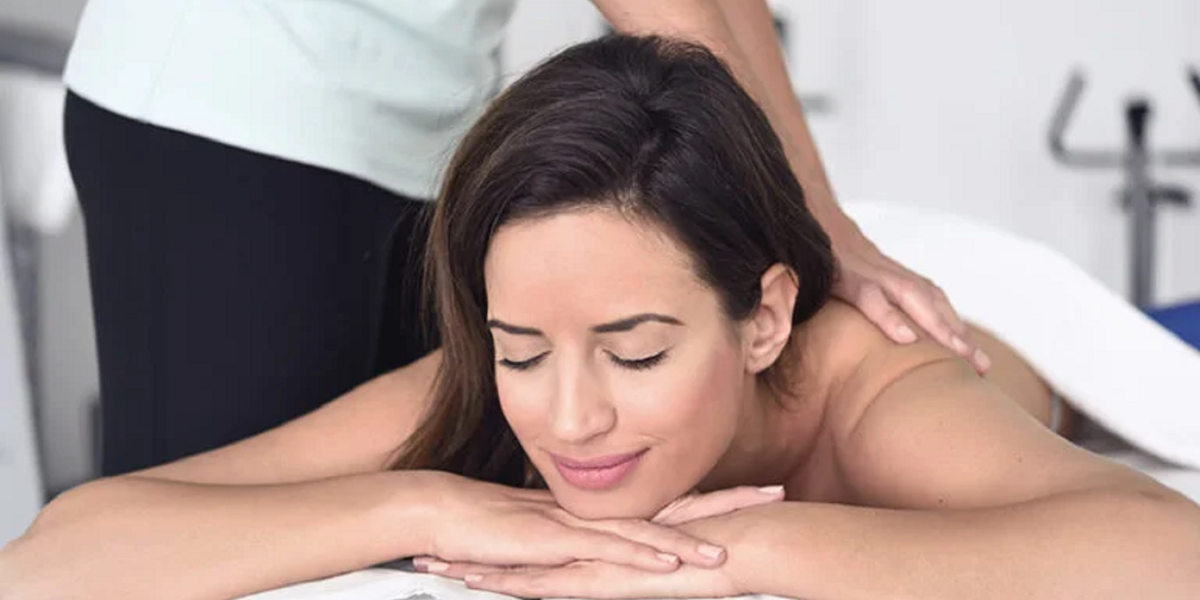
What you do in the hours following your appointment is just as important as the treatment itself. Proper post massage care ensures that your body processes the therapeutic changes safely and comfortably.
First, keep a water bottle with you for the rest of the day. Continual hydration is the most effective way to prevent a toxic, sluggish feeling and eliminate any lingering lightheadedness.
When you get home, practice gentle stretching rather than jumping into heavy lifting or intense chores. A warm shower or a comforting bath can help soothe any residual muscle soreness, but make sure the water isn’t scalding hot, as extreme heat can lower your blood pressure even further.
Finally, give yourself permission to rest. If you feel does massage make you tired, honor that feeling. Your body is doing heavy internal lifting to repair tissues and balance your nervous system. Lie on the couch, read a book, or take a restorative nap.
“A massage doesn’t end when the session ends. Aftercare ensures your body enjoys the full benefits.”
When Dizziness May Be a Concern

While a brief spell of lightheadedness is standard and usually resolves within a few minutes of sitting down and drinking water, there are rare instances where dizziness can indicate a more serious underlying issue.
You should pay close attention if your dizziness is severe, does not improve after resting and hydrating, or lasts for more than 24 hours. Seek immediate medical attention if your post-massage dizziness is accompanied by any of the following warning signs:
- Chest pain, pressure, or a rapidly racing heart
- Fainting or losing consciousness
- Severe, uncontrollable vomiting
- Sudden numbness, weakness, or tingling in your face, arms, or legs
- Difficulty speaking, slurred speech, or sudden confusion
- A sudden, blinding headache that feels completely unusual
These symptoms are not typical side effects of massage and require evaluation by a qualified medical professional to rule out cardiovascular or neurological complications.
Conclusion
Experiencing a wave of dizziness after a massage can be startling, but it is almost always a temporary, benign sign that your body has responded deeply to treatment. By understanding the roles that blood pressure, hydration, and nervous system shifts play, you can take control of your recovery and set yourself up for a seamless, comfortable experience.
The key to a safe and deeply therapeutic massage lies in the hands of experienced, highly trained professionals who understand the intricate balance of the human body. If you are looking for expert care in a pristine environment, consider scheduling your next session with a practitioner who specializes in mindful, expert bodywork.
Choose from Shiatsu, Deep Tissue, or Relaxation Massage, customized to your comfort, needs, and recovery goals.At our center, our therapists take the time to consult with you, monitor your comfort throughout the session, and guide you safely through the post-massage transition so you leave feeling completely grounded, refreshed, and renewed.
Ready for a Safe, Restorative Massage Experience?
A brief moment of dizziness is temporary, but the relief of a professional treatment lasts. Book a customized Deep Tissue or Shiatsu session at Shiatsu Massage Center Waikīkī so our experts can guide you safely through your recovery.
Frequently Asked Questions
1. Is it normal to feel dizzy after a massage?
Yes, it is very common. Many people experience a mild, fleeting sense of lightheadedness immediately after a session due to relaxed blood vessels, lowered blood pressure, and shifts in the nervous system.
2. Why feel dizzy after a massage?
The primary causes include orthostatic hypotension (a sudden drop in blood pressure when standing up), mild dehydration, a temporary drop in blood sugar, or physical manipulation of the neck muscles which can affect the inner ear’s balance mechanisms.
3. How long does dizziness last after a massage?
For most individuals, the sensation lasts only a few seconds to a few minutes. If it is tied to dehydration or low blood sugar, it may linger for an hour or two until you drink water and eat a snack.
4. Can dehydration make you feel dizzy after a massage?
Absolutely. Massage stimulates lymphatic drainage and circulation, which moves fluids through your body. If you don’t have enough fluids in your system, your blood volume drops, making you highly susceptible to dizziness.
5. Can deep tissue massage make you lightheaded?
Yes. Deep tissue massage releases chronic tension and increases local circulation rapidly. It also triggers a stronger systemic response and releases more metabolic wastes into the bloodstream, which can make you feel temporarily lightheaded or spaced out.
6. What should I do if I feel dizzy after a massage?
Do not try to walk. Sit down immediately, keep your head elevated, and drink a glass of water slowly. If you feel shaky, eat a small snack and rest for 10 to 15 minutes until the room stops spinning.
7. When should I worry about dizziness after a massage?
You should seek medical advice if the dizziness is severe, lasts longer than 24 hours, or is accompanied by red-flag symptoms like chest pain, fainting, difficulty speaking, numbness, or vomiting.
8. Does standing up too quickly increase dizziness after massage?
Yes, this is the most common trigger. When you rise rapidly from a lying position, gravity causes blood to pool in your lower limbs, and because your blood vessels are widened from the massage, your brain experiences a temporary drop in oxygen.
9. Can a neck or head massage cause temporary vertigo?
Yes. The muscles in your neck contain numerous position sensors that communicate with your inner ear. Intensive work on the neck or base of the skull can temporarily alter these balance signals, causing a short-lived sensation of vertigo.