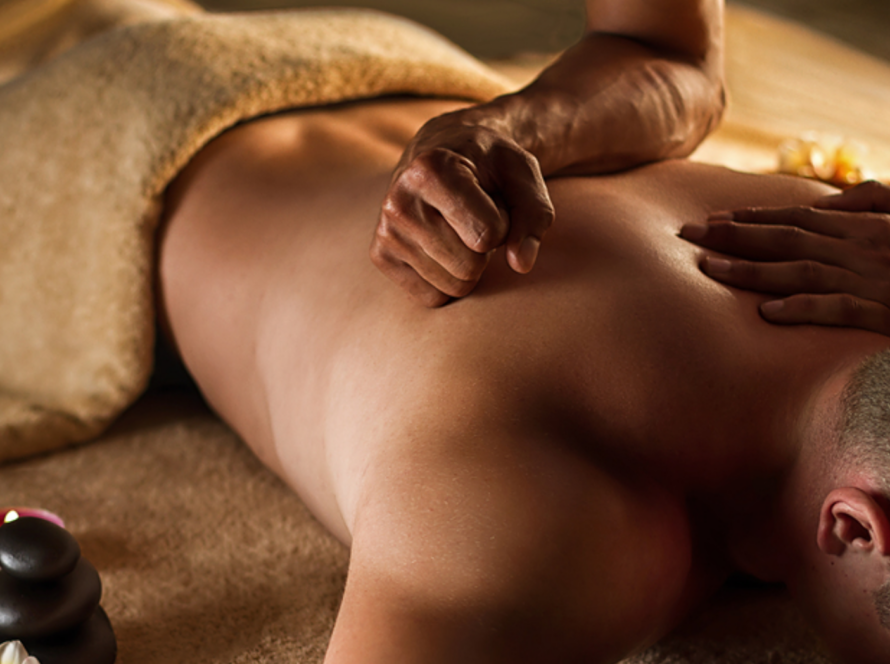
Have you ever been lying on a massage table, drifting off into a state of relaxation, when suddenly a wave of sadness, anger, or even an inexplicable urge to cry washes over you? You aren’t alone. In fact, it happens more often than you’d think.
We often treat our bodies like machines entities that need oiling, stretching, and fixing. But our bodies are more like living journals. They record every deadline, every heartbreak, and every unspoken worry. Sometimes, the tightness in your shoulders isn’t just from poor posture or sitting at a desk it’s from everything you’ve been holding in for years.
Emotional release massage is a unique bridge between physical therapy and emotional healing. It acknowledges that when the mind can’t process a feeling, the body steps in to store it.
If your body feels heavy, it may be time to release more than just muscle tension.
What Is Emotional Release Massage?
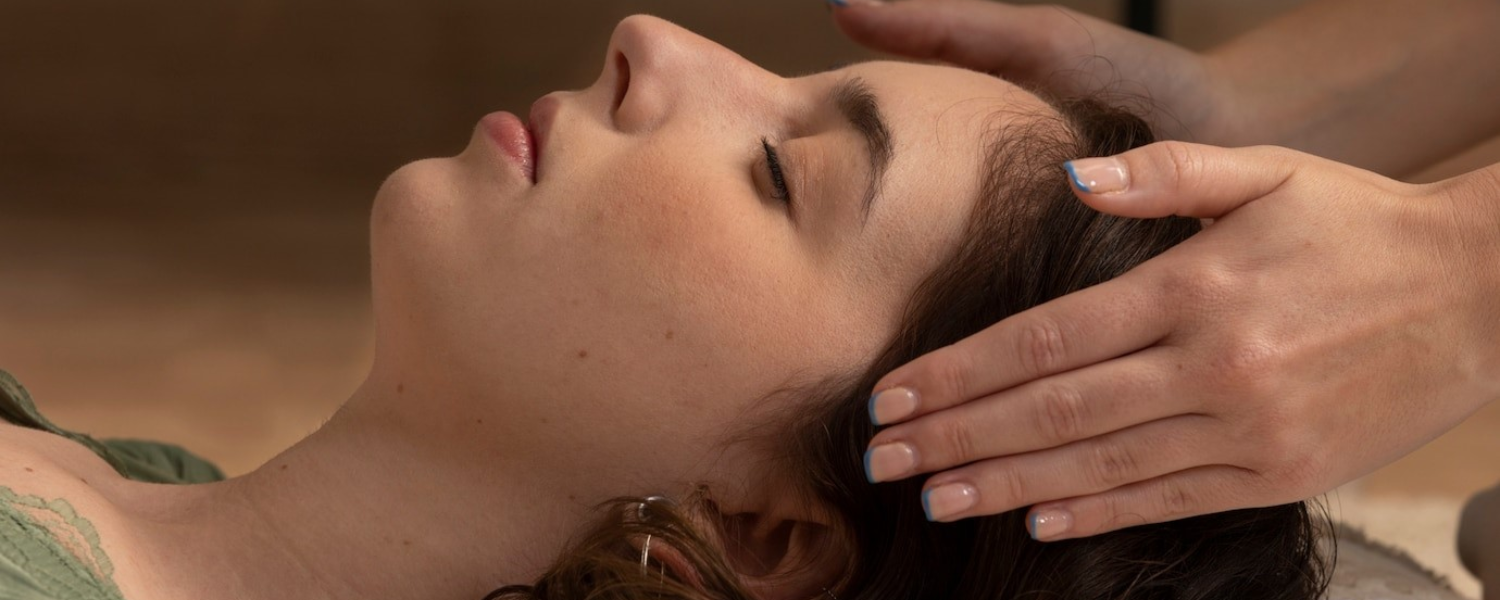
Emotional release massage is a therapeutic practice that focuses on clearing the somatic (body-based) imprints of stress and trauma. While a standard Swedish massage might focus on rubbing out a knot in your calf, an emotional release session looks at the body as an integrated system where the nervous system and the muscles are deeply intertwined.
Our nervous system has two main modes: Fight or Flight (Sympathetic) and Rest and Digest (Parasympathetic). Most of us spend our lives in a low-grade state of fight-or-flight. This constant state of high alert causes muscles to contract and stay contracted. Over time, these contractions become armoring a physical shield we build to protect ourselves from emotional pain. This massage helps break down that armor, allowing the body and mind to finally sync up and let go.
Can Massage Release Emotions? (The Science Behind It)
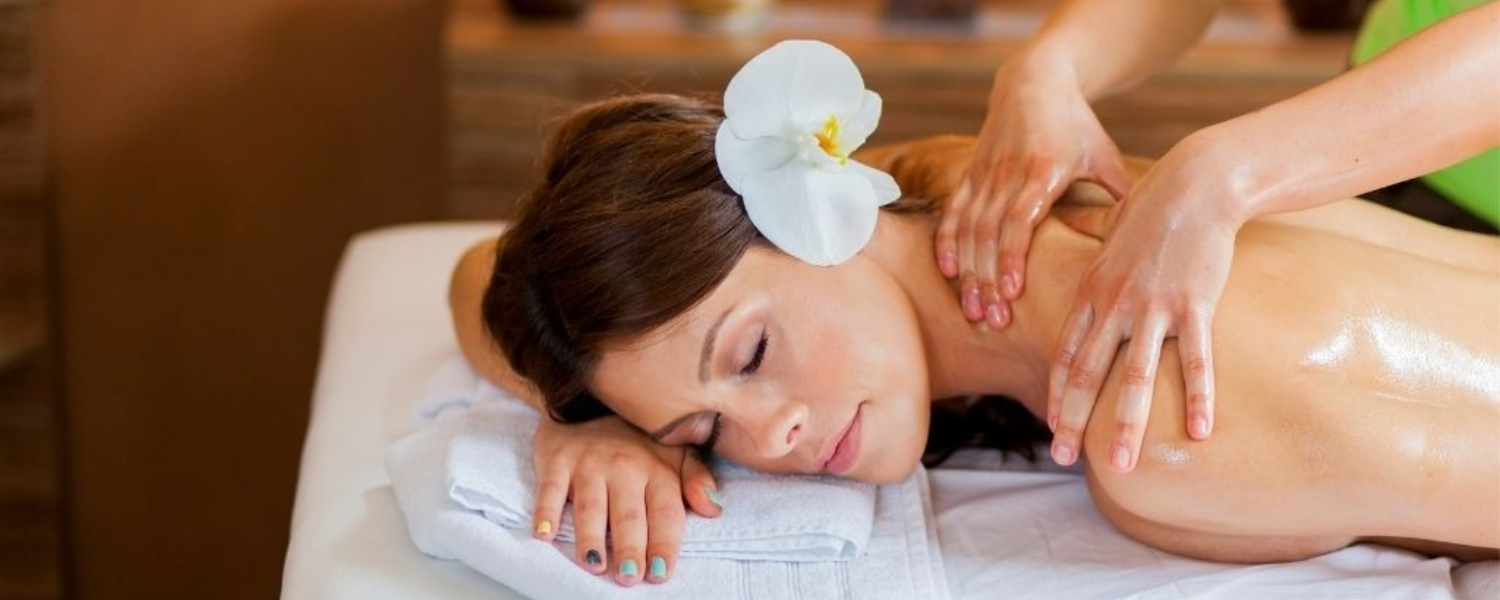
You might wonder, can massage release emotions, or is it just woo-woo talk? There is actually a significant amount of biological evidence supporting emotional release during massage.
The Nervous System Reset
When a therapist uses intentional touch, it stimulates the vagus nerve, the command center of your parasympathetic nervous system. As your heart rate slows and your cortisol levels drop, your brain receives a signal that it is finally safe. When the brain feels safe, it stops holding the emotional defenses it used to survive.
Muscle Memory and Cellular Memory
While the brain stores memories in a chronological way, our muscles store the feeling of a memory. This is often called somatic memory. If you were in a car accident or went through a period of intense grief, your muscles likely tensed up to protect your vital organs. If those muscles never fully relaxed, the memory of that tension stays trapped in the fibers. Applying pressure to these areas can unlock the memory, leading to an emotional release during massage.
Why the Body Stores Emotional Stress
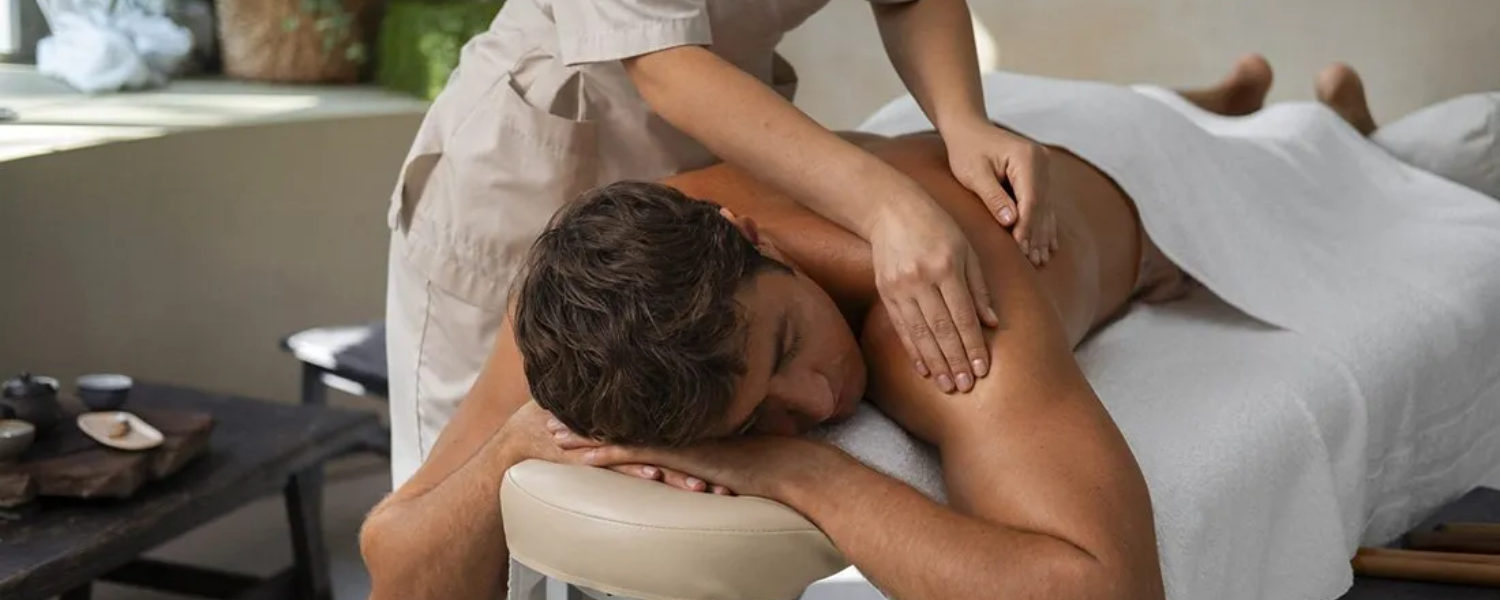
Different parts of our bodies tend to act as storage lockers for specific types of stress. Understanding where you carry your weight can help you understand what you need to process.
- The Hips: Often called the junk drawer of emotions. The psoas muscle, located deep in the hip, is closely linked to the fight-or-flight response. Many people find that body stores emotional trauma in the hips, leading to intense releases (like crying) when they are worked on.
- The Shoulders and Upper Back: This is where we carry the weight of the world. If you feel responsible for everyone else’s happiness, your traps and rhomboids will likely be rock hard. This is classic stress stored in muscles.
- The Neck and Throat: Often linked to communication. If you feel like you aren’t being heard or are swallowing your words, you may experience chronic neck tension or even a lump in your throat.
Signs of Emotional Release During Massage
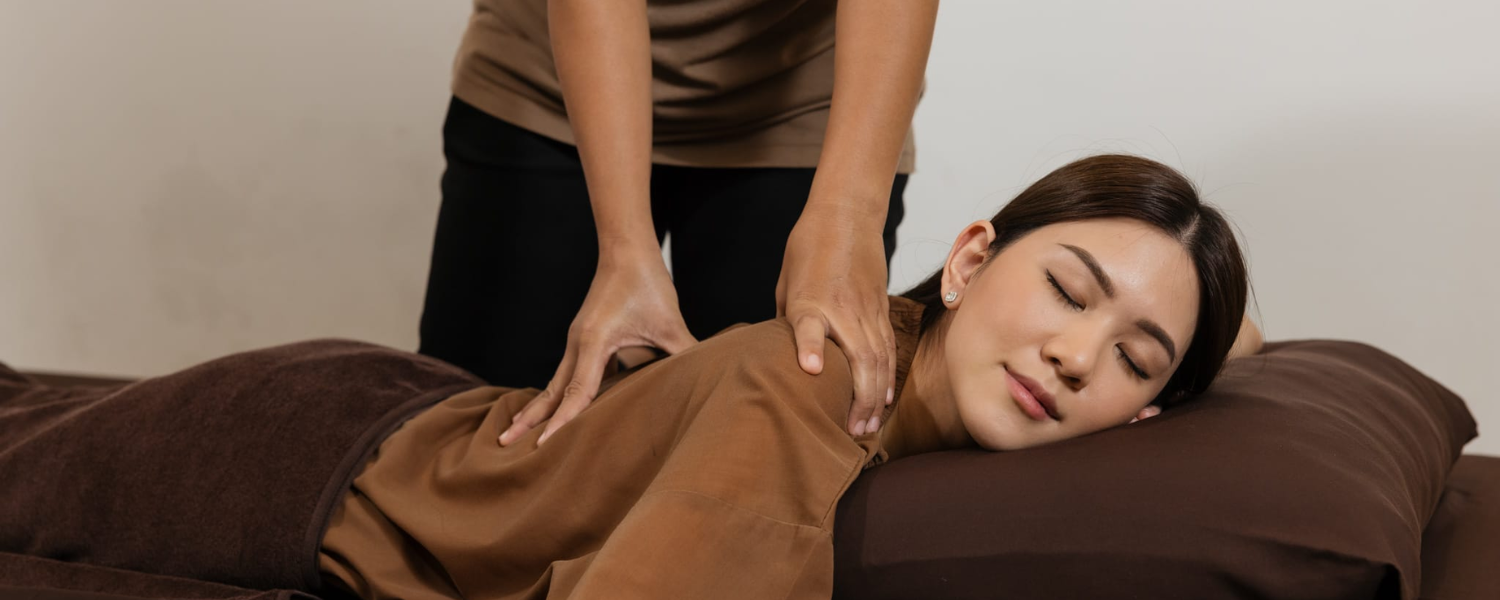
An emotional release doesn’t always look like a dramatic scene from a movie. It manifests differently for everyone. If you experience these, don’t be embarrassed it’s a sign that the therapy is working.
- Crying: You might ask, why do I cry during massage? It’s usually because the physical pressure has bypassed your mental defenses. The tears are a physical manifestation of the pressure leaving your body.
- Sudden Calm: A feeling of profound peace that feels deeper than just being relaxed.
- Deep Sighs or Changes in Breathing: Your breath might suddenly become shaky or very deep as your diaphragm releases.
- Tingling or Warmth: As blood flow returns to previously constricted armored areas, you might feel a rush of heat or energy.
- Vivid Memories: You might suddenly remember a specific event or person that you haven’t thought about in years.
Benefits of Emotional Release Massage
Engaging in massage and emotional release work offers benefits that go far beyond just feeling less sore.
- Deep Anxiety Relief: By quieting the nervous system, it provides a reset for those suffering from chronic worry.
- Improved Sleep: Many people find they sleep better because their body is no longer on guard during the night.
- Mental Clarity: Once the physical noise of tension is gone, it’s much easier to make decisions and think clearly.
- Enhanced Mood: The release of oxytocin and serotonin during the session acts as a natural antidepressant.
Feel lighter, calmer, and more in control after just one session.
Best Massage Techniques for Emotional Healing
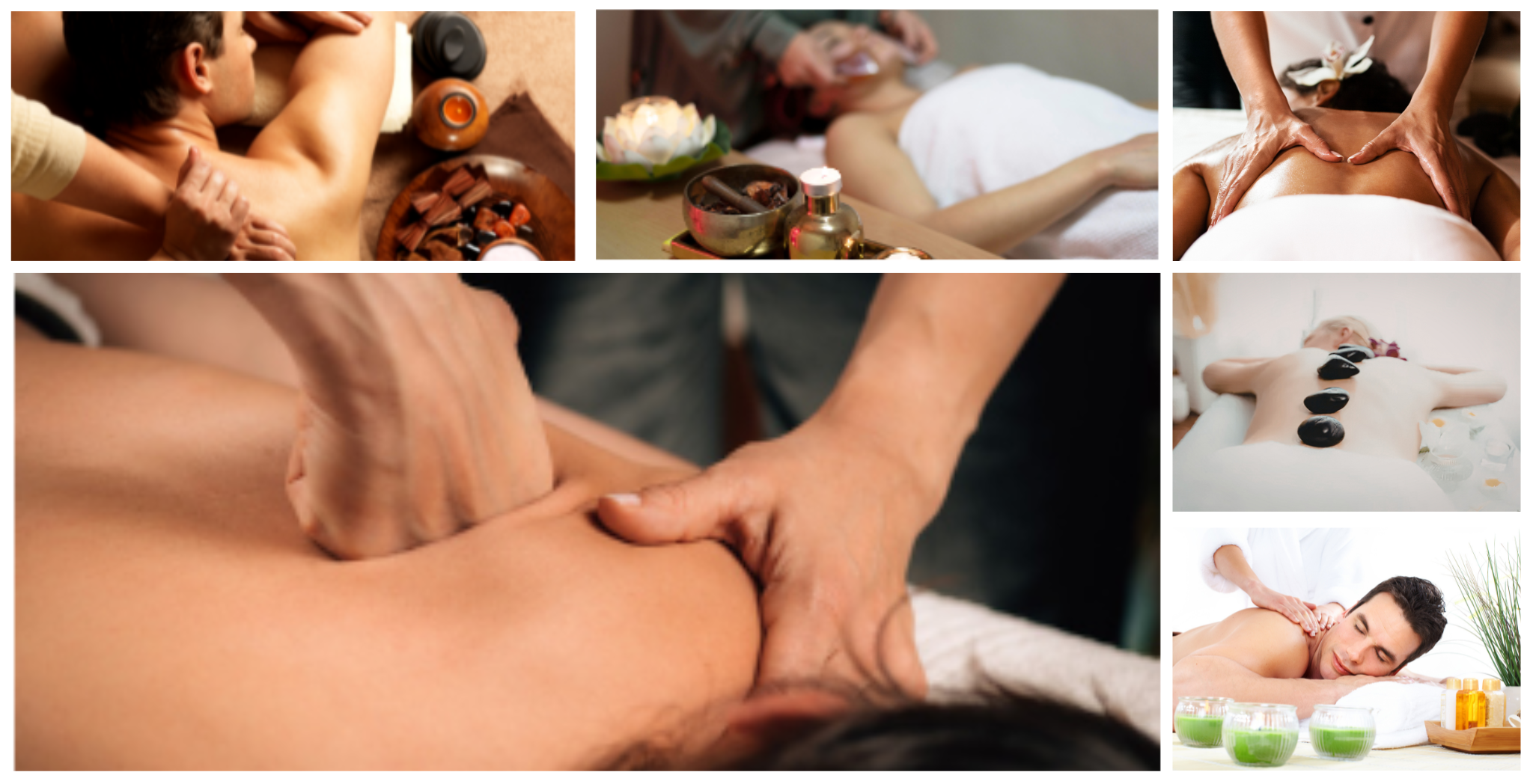
Not all massages are created equal when it comes to emotional work. If you are looking for an emotional healing massage, consider these modalities:
Shiatsu Massage
Based on Traditional Chinese Medicine, Shiatsu works with the body’s meridians or energy pathways. By applying pressure to specific points, it aims to unblock stagnant Qi (energy), which is often tied to emotional stagnation.
Deep Tissue Massage
While it can be intense, deep tissue massage benefits include reaching the deeper layers of fascia where long-term trauma is often stored. It’s excellent for breaking up physical armor.
Lomi Lomi Massage
A traditional Hawaiian practice, Lomi Lomi uses long, flowing, rhythmic strokes that mimic the ocean. It is specifically designed for massage for emotional healing, treating the body and soul as one.
Relaxation Massage
Sometimes, you don’t need work; you just need to feel safe. A gentle relaxation massage can be a best massage for anxiety and stress because it focuses entirely on comfort and nurturing.
What to Expect During Your Session

If you’ve decided to try a massage for emotional release, here is what the experience usually looks like:
- The Environment: The room will be a safe, quiet sanctuary. The lighting is usually dim, and there is an emphasis on creating a holding space for you.
- The Conversation: Your therapist may ask more questions than usual about how you are feeling rather than just where it hurts.
- The Physical Work: The therapist will likely focus on trigger points in the hips, chest, and jaw.
- The Aftermath: Post massage care is vital. You might feel raw or tired afterward. It is important to drink plenty of water, avoid heavy social commitments immediately after, and perhaps spend some time journaling.
Experience a session designed to help you fully let go physically and emotionally.
Conclusion: Let Go of What Your Body Has Been Holding
Healing isn’t just a mental game; it’s a physical one. You can talk about your stress in therapy for years, but if your muscles are still locked in a state of defense, you won’t feel fully free.
Emotional release massage is a powerful tool to help you reclaim your body. It normalizes the fact that we are human, we are vulnerable, and we carry our stories in our skin and bone. There is no shame in crying on the table, and there is no weakness in needing a professional to help you carry the load.
Ready to release stress, tension, and emotional weight?
Book your emotional release massage today and start feeling like yourself again
FAQ Section
1. Is it normal to cry during a massage?
Yes, absolutely. Crying is one of the most common forms of emotional release during massage. It happens because the physical relaxation of the muscles triggers the brain to let go of suppressed feelings. Your therapist is trained for this and will not be surprised or uncomfortable.
2. Can massage help with anxiety and stress?
Yes. A massage for anxiety and stress works by lowering heart rate and reducing cortisol (the stress hormone). It shifts your body out of the fight or flight mode and into a state of recovery, which is essential for managing massage for anxiety and sleep issues.
3. How do I know if I need emotional release massage?
If you feel tight even after a standard massage, if you feel chronically overwhelmed, or if you feel a sense of heaviness in your chest or hips that won’t go away, you are likely a candidate for trauma release massage.
4. What type of massage can release emotions?
While any massage can trigger a release, Lomi Lomi, Shiatsu, and Myofascial Release are among the best. If you are looking for which massage therapy is best for you, speak to a therapist who specializes in somatic or integrative bodywork.
5. Can you get a massage if you have high blood pressure?
Generally, yes, and it can actually help lower it temporarily. However, if you have uncontrolled high blood pressure, you should always consult your doctor first. Massage increases circulation, which affects how blood moves through your system.
6. How long does emotional release last?
The immediate high or lightness usually lasts for a few days, but the shift in your nervous system can have long-lasting effects. Consistent sessions help train your body not to store stress in the first place, leading to better long-term how massages help muscles stay healthy.