With so many types of massage therapy available today, choosing the right one can feel overwhelming. While friction massage focuses on targeted tissue work, Shiatsu uses traditional Japanese pressure techniques to support overall balance and relaxation.
Both approaches offer unique benefits, and deciding between friction massage vs shiatsu ultimately depends on your physical comfort, personal wellness goals, and specific problem areas. This comprehensive guide breaks down the core mechanics, pressure levels, session expectations, and benefits of both styles so you can make the most informed decision for your body.
What Is Friction Massage?
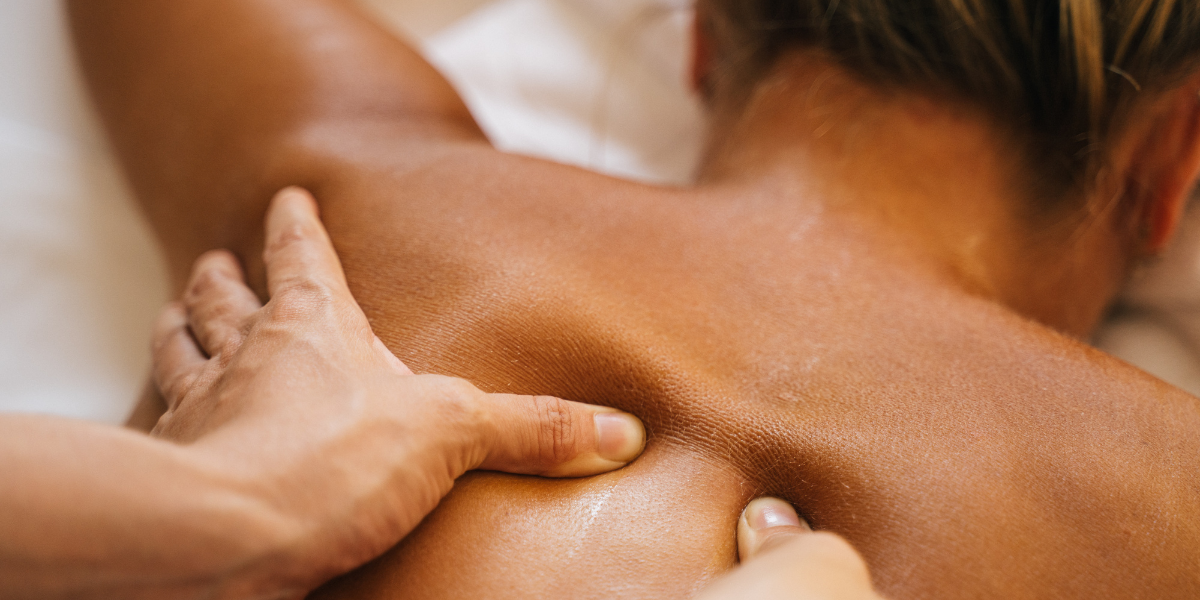
Friction massage is a focused manual therapy designed to address localized muscle stiffness, repetitive strain, and fibrous tissue tightness. Unlike flowing massage styles that glide broadly across large muscle groups, friction work concentrates directly on a specific muscle, tendon, or ligament.
Massage therapists apply controlled, rhythmic pressure over a pinpointed spot. The underlying idea is to create deliberate micro friction across tissue layers to improve local blood circulation, soften restrictive adhesions, and encourage healthy tissue alignment. It is commonly integrated into orthopedic, sports, and clinical rehabilitation settings.
How Does Friction Massage Work?
Friction massage relies on precise, localized movements executed by the practitioner’s fingertips, thumbs, or palms:
- Circular Friction: Small, concentrated circular movements applied over a specific muscle knot or tender tendon insertion.
- Cross-Fiber Friction (Transverse Friction): Firm strokes applied perpendicular to the direction of muscle or tendon fibers. This technique helps break up dense scar tissue and reorganizes stiff collagen strands.
- Focused Sustained Pressure: Deep, static pressure directed into restrictive bands to release chronic holding patterns.
The primary purpose is practical: target specific problem areas, address chronic muscle tightness, and restore joint mobility without unnecessary manipulation of uninvolved tissues.
What Is Shiatsu Massage?
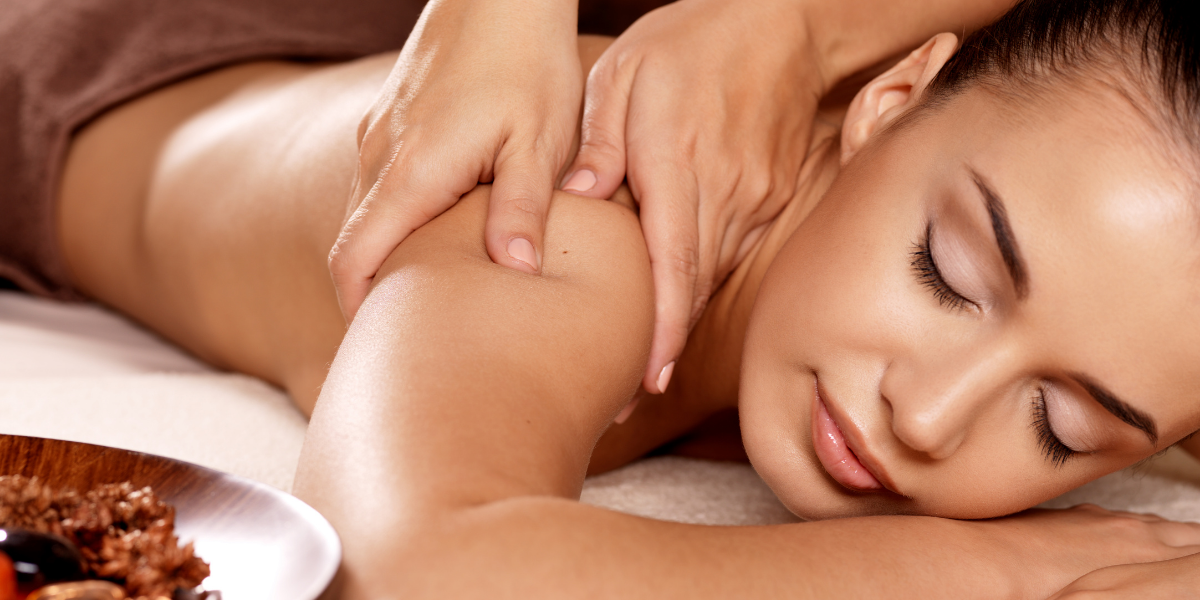
Shiatsu is a traditional bodywork modality developed in Japan, rooted deeply in centuries-old Asian medicine philosophies. The word Shiatsu literally translates to “finger pressure” (shi meaning finger, and atsu meaning pressure).
Rather than focusing on isolated injuries, Shiatsu views the body as an interconnected system. Practitioners use their fingers, thumbs, palms, elbows, and sometimes knees to apply rhythmic pressure along energy pathways known as meridians. The objective is to release blocked energy, calm the nervous system, and restore natural physical equilibrium.
How Does Shiatsu Work?
Shiatsu balances structured physical pressure with calming rhythmic movement:
- Point-Specific Compression: The practitioner uses body weight and thumb pads to press along energy points, stimulating natural self-healing mechanisms.
- Gentle Assisted Stretching: Passive limb rotations and joint stretches are woven into the treatment to relieve stiff joints.
- Continuous Rhythmic Flow: Pressure is applied, held for several seconds, and gently released in a steady cadence, soothing the sympathetic fight-or-flight response.
The complete Shiatsu experience focuses on holistic restoration, grounding the mind while releasing deep somatic tension.
Friction Massage vs Shiatsu: Key Differences
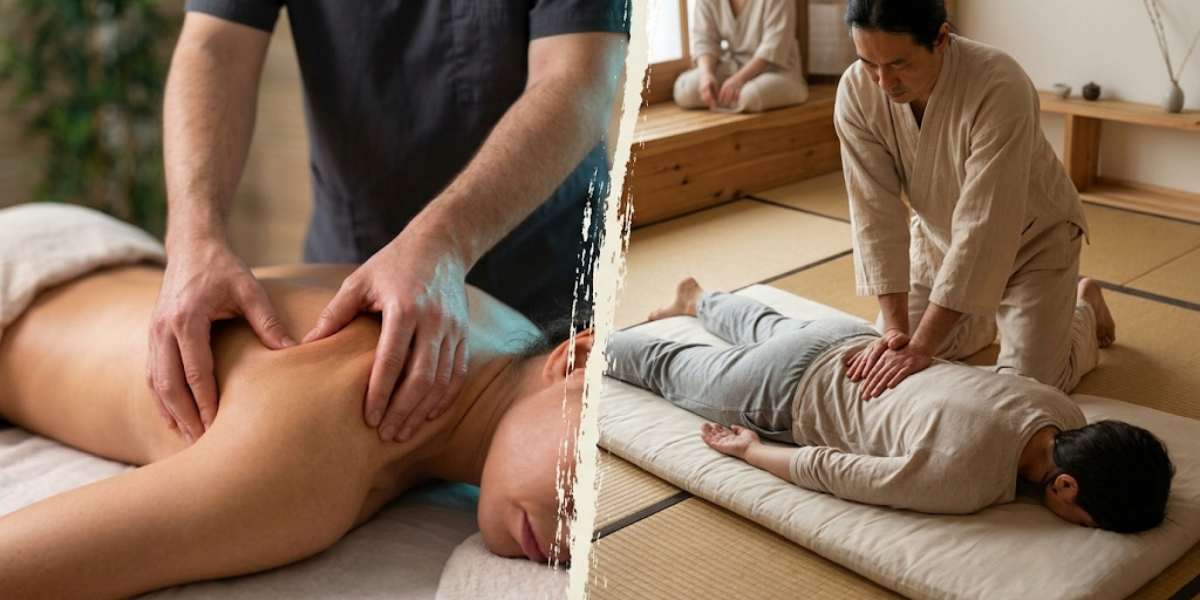
To understand which style aligns with your personal wellness routine, it helps to examine their distinct characteristics side by side:
- Historical Origin: Friction massage is rooted in modern clinical orthopedic bodywork, whereas Shiatsu originates from traditional Japanese holistic healing practices.
- Area of Focus: Friction massage focuses strictly on localized problem spots such as a specific tendon, knot, or joint margin. Shiatsu addresses full-body meridians from head to toe.
- Mechanical Technique: Friction massage uses back-and-forth rubbing, circular friction, and cross-grain strokes. Shiatsu uses static pressing, thumb compressions, palm weight, and passive stretches.
- Client Experience: Friction massage delivers targeted, functional relief to an isolated area. Shiatsu offers a relaxing, meditative, whole-body balancing session.
- Setting and Medium: Friction massage is typically performed directly on skin using minimal cream or lotion on a traditional massage table. Shiatsu is traditionally performed on a comfortable floor mat or table while the client remains fully clothed.
Difference in Pressure and Intensity
Pressure is one of the most common concerns for clients asking, “Is Shiatsu massage painful?” or wondering if friction massage will feel too sharp.
Friction massage often feels intense because the therapist works directly into hyper-sensitive, tight fibers. While it should never cross into sharp, unbearable pain, it frequently creates a productive “good hurt” as dense adhesions soften. The work remains strictly contained to the affected area.
Shiatsu utilizes body weight to deliver deep, firm, yet comfortable compression. The pressure can range from gentle to very firm depending on your preference. Because the pressure is spread out rhythmically along pathways rather than isolated on one inflamed tendon, many people find it soothing, grounding, and deeply restorative.
Benefits of Friction Massage
Friction massage is particularly popular among athletes, runners, and desk workers suffering from repetitive strain:
- Targeted Muscle Work: If you suffer from a persistent knot under your shoulder blade or tightness in your Achilles tendon, friction massage directs maximum attention to that exact millimeter of tissue.
- Supports Joint Mobility: By loosening restrictive fascial layers and remodeling stubborn scar tissue, it allows joints to move through their natural range of motion.
- Relaxes Stubborn Tissue Tightness: Concentrated strokes boost local blood flow, flushing out cellular waste and helping contracted muscle fibers finally release.
Benefits of Shiatsu Massage
Shiatsu offers comprehensive mental and physical benefits for individuals seeking holistic wellness treatments:
- Deep Relaxation Experience: The rhythmic compression calms an overstimulated nervous system, reduces mental stress, and promotes restorative sleep.
- Whole-Body Alignment: Rather than treating symptoms in isolation, Shiatsu supports overall posture, circulation, and bodily awareness.
- Restorative Stretching: Integrated limb mobilization releases tight hips, opens the chest, and lengthens tight spinal muscles without abrupt spinal manipulation.
Friction Massage vs Shiatsu: Which One Is Better for Muscle Tension?
Choosing the best massage technique for muscle tension depends entirely on the nature of your discomfort.
Friction Massage may suit people looking for:
- Rehabilitation for specific chronic tendon or ligament strains
- Targeted release for localized, stubborn muscle knots
- Clinical, functional care following sports training or repetitive desk work
Shiatsu may suit people looking for:
- General tension relief distributed across the back, neck, and shoulders
- Relief from stress-related headaches, fatigue, or nervous tension
- A clothing-on, full-body restorative experience that combines pressure points with gentle stretching
What Should You Expect During Each Session?
Knowing what happens during your appointment eliminates guesswork and helps you relax:
During a Friction Massage Session: Your therapist begins by evaluating your range of motion and identifying the exact source of your pain. You will be draped on a massage table. The therapist warms the surrounding tissue with broad strokes before isolating the tight muscle fiber or tendon with precise, firm friction strokes. You are encouraged to provide real-time feedback regarding pressure comfort.
During a Shiatsu Session: You typically wear loose, comfortable clothing like yoga pants and a soft cotton shirt. You may lie on a padded floor mat or a massage table. Without oils, the practitioner uses their palms and thumbs to apply rhythmic, steady pressure along your back, arms, legs, and neck, occasionally pausing to guide your limbs through gentle stretches.
How to Choose Between Friction Massage and Shiatsu
To select the right modality, assess these practical factors:
- Your Primary Goal: Choose friction massage if you want to fix a specific sports injury or persistent knot. Choose Shiatsu if your objective is full-body relaxation, stress reduction, and overall vitality.
- Your Comfort Preferences: If you dislike undressing or massage oils, Shiatsu is the obvious choice. If you prefer lotion-based, hands-on spot treatment, friction therapy will suit you better.
- Professional Consultation: Always discuss your medical history, recent injuries, and personal pressure tolerances with your licensed massage therapist before your session begins.
Can You Combine Different Massage Techniques?
Yes. Many licensed massage therapists integrate multiple therapeutic modalities into a single customized session. For instance, your therapist might begin with broad Swedish strokes or gentle Shiatsu point compressions to relax your entire system, and then apply targeted cross-fiber friction to a stubborn knot in your upper trapezius. Some clinics also weave in elements of Lomi lomi or deep tissue techniques to balance recovery with deep relaxation.
Questions to Ask Before Booking a Massage
- Does the session focus on the full body or only on specific injury points?
- What level of pressure is typically applied, and how easily can it be adjusted?
- Will I remain fully clothed, or will draping and massage lotions be used?
- What specific experience does the therapist have with my particular type of muscle tension?
Frequently Asked Questions
1. What is the difference between friction massage and Shiatsu?
Friction massage is a targeted, localized clinical technique used to break up adhesions in specific muscles and tendons. Shiatsu is a traditional Japanese full-body modality using finger pressure along meridian pathways to encourage overall relaxation and balance.
2. Is Shiatsu massage painful?
Shiatsu pressure can be firm and deep, but it should feel comforting and relieving rather than painful. Certified practitioners adjust their body weight according to your sensitivity.
3. Is friction massage the same as deep tissue massage?
No. Friction massage is a specific stroke technique often used within deep tissue or sports massage sessions, whereas deep tissue massage is a broader therapy style focusing on the deeper layers of muscle tissue.
4. Which massage is better for tight muscles?
Friction massage works best for isolated, persistent muscle knots and tendon tightness. Shiatsu is ideal for widespread tension caused by everyday stress and postural fatigue.
5. How long does a typical massage session last?
A standard session for both styles usually lasts between 60 and 90 minutes, though targeted friction massage treatments can sometimes be completed in shorter, 30 to 45 minute clinical sessions.