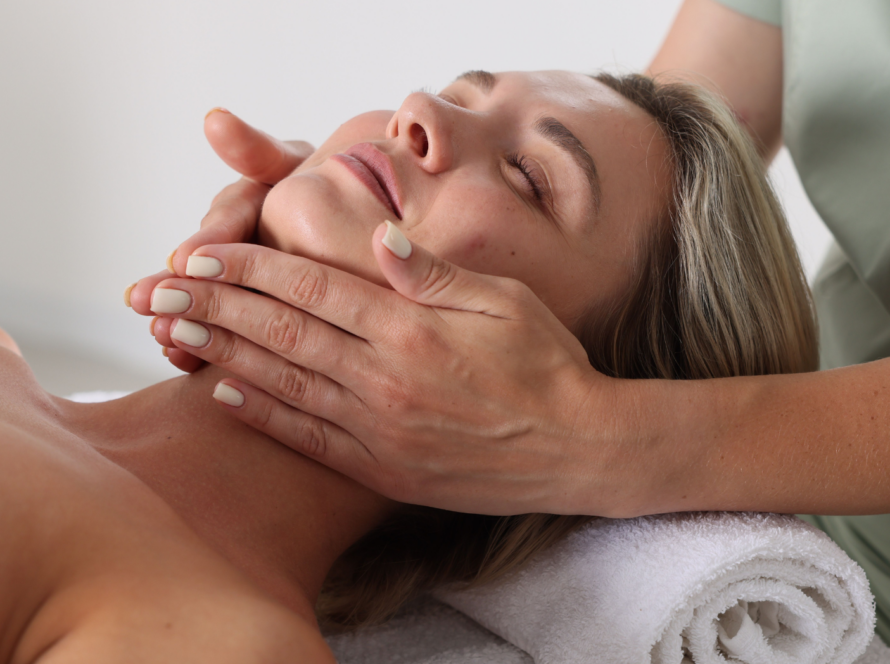
Have you ever finished a long flight, spent eight hours at a desk, or pushed through a tough workout, only to find a hard, tender spot beneath your shoulder blade? That stubborn, achy patch is something millions of people deal with every week. Most of us call it a muscle knot.
So, what is a muscle knot, and can massage help? In short, it is a tight, tender area in a muscle, and massage may help you feel looser and more comfortable. This guide explains what causes muscle knots, where they show up, and which massage styles may suit you.
What Is a Muscle Knot?
Despite the name, your muscle does not actually tie itself in a knot. Muscle knots are the everyday term for a tight, tender area where muscle fibers and the tissue around them stay tense instead of relaxing. These spots are often associated with myofascial trigger points.
A muscle knot can feel like a small pebble or a firm band under the skin that aches when you press on it or stretch. Muscle knots are common and usually not dangerous, but they can be uncomfortable and make it harder to move easily.
What Causes Muscle Knots?
Knowing what causes muscle knots helps you spot the everyday habits behind them. They tend to develop when a muscle is strained, fatigued, or held in the same position for too long.
- ✓Long hours at a desk: Hunching over a computer or cradling a phone makes your neck and upper back muscles work nonstop to hold your head up.
- ✓Repetitive movements: Carrying a heavy shoulder bag, lifting boxes, or repeating the same arm motion day after day can tire out specific muscles.
- ✓Exercise and overuse: A new workout, steep hill runs, or training without enough rest can leave muscles fatigued and tight.
- ✓Stress: Many people clench their jaw, raise their shoulders, or tense their back without noticing when they are stressed.
- ✓Staying in one position: Long road trips, flights across the Pacific, or slouching on the sofa can keep muscles in a shortened position and leave them stiff.
Where Do Muscle Knots Commonly Occur?

Muscle knots can show up almost anywhere, but they are most common in the postural muscles that support your weight and handle daily movement:
- ✓Muscle knots in the neck: Phone use and desk work often create tender spots in the neck and at the base of the skull, which can sometimes bring on a tense feeling in the head.
- ✓Shoulders and upper back: These muscle knots in the back and shoulders are the most common complaint among desk workers and travelers.
- ✓Lower back: Long periods of sitting or lifting awkwardly can leave the lower back tight and make it uncomfortable to stand up straight.
- ✓Legs and hips: Runners, hikers, and walkers often notice tight spots in the hamstrings, calves, and hips after a long day on their feet.
Common muscle knot symptoms include a dull ache, tenderness when pressed, stiffness, and a reduced range of motion when you turn your head or bend over.
Can Massage Help Relieve Muscle Knots?
For everyday muscle tension, many people find massage helpful. According to the National Center for Complementary and Integrative Health, massage therapy works on muscle and other soft tissue to help people feel better, and it generally has few risks when done by a trained practitioner. Research on specific conditions varies.
Massage for muscle knots focuses pressure on the tight area, which may help it soften, ease tenderness, and encourage relaxation so you can move more comfortably. Keep your expectations realistic: massage can bring relief for some people, but it does not guarantee a knot will disappear permanently, especially if daily triggers like poor desk posture stay the same.
Best Massage Techniques for Muscle Knots
Different bodies respond to different styles. Consider how you feel about pressure and what sounds most restorative. None of these is medically better or right for everyone.
Shiatsu massage for muscle tension is a good pick if you want something calming, while deep tissue massage for knots suits those who prefer more direct pressure. Curious how Shiatsu compares with other styles? Compare options in our guide to friction massage vs Shiatsu.
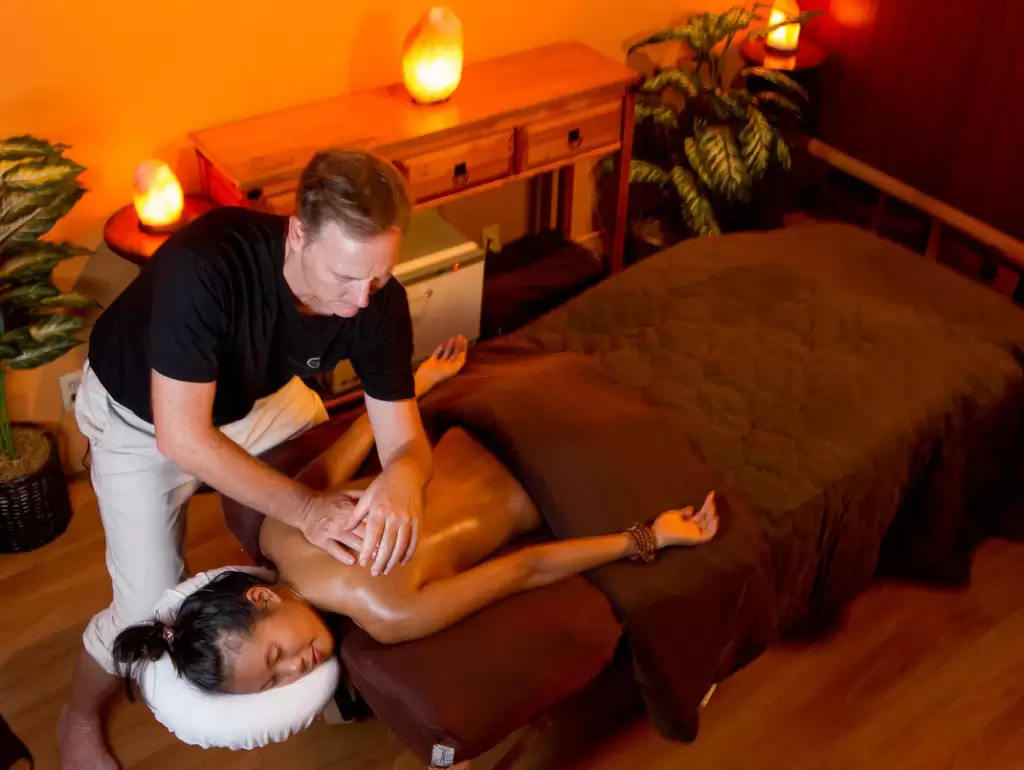
What to Expect During a Massage for Muscle Tension
A good muscle knot massage is a team effort between you and your therapist:
Simple Ways to Manage Muscle Tension Between Massages
- ✓Take movement breaks: Stand, walk, and roll your shoulders every 45 to 60 minutes during long workdays.
- ✓Stretch gently: Soft neck stretches, side bends, and chest openers can keep muscles from locking into one position.
- ✓Use gentle warmth: A warm shower or a heating pad can help tight muscles relax.
- ✓Check your posture: Adjust your chair, screen height, and bag so you are not holding strain all day.
- ✓Stay hydrated and rest: Drinking water and getting enough sleep support overall muscle comfort.
When Should You Consider Booking a Massage?
If tight spots in your neck, back, or shoulders are distracting you at work, limiting how far you can move, or hanging around for more than a few days, professional bodywork may help. Whether you are a local with a busy week or a traveler recovering from a long flight, a massage in Honolulu can help you unwind and feel more comfortable.
Frequently Asked Questions
1. What does a muscle knot feel like?
A muscle knot usually feels like a firm, tender lump or tight cord that aches when pressed. It can make that part of your body feel stiff and harder to stretch.
2. What causes muscle knots in the shoulders?
Shoulder knots often come from long hours of poor posture at a desk, carrying a heavy bag on one side, or holding stress in the upper back. Overuse from workouts can also play a part.
3. Can massage help with muscle knots?
Massage may help ease tension in tight muscles and make you feel more comfortable. It does not guarantee a knot will go away permanently, and good posture and regular movement help keep tension from returning.
4. Is Shiatsu or deep tissue massage better for muscle tension?
Neither is universally better. Deep tissue uses direct, sustained pressure on deeper muscle layers, while Shiatsu uses rhythmic thumb and palm pressure with gentle stretching. Choose based on your comfort and preferences.
5. How long can a muscle knot last?
A mild knot may ease within a few days with rest, gentle stretching, and warmth. Knots tied to daily habits or ongoing stress can last longer. See a healthcare professional if pain is severe or does not improve.
6. Should massage for muscle knots be painful?
No. Working on a tender spot can feel like a productive ache, but it should stay manageable so you can breathe and relax. Tell your therapist if the pressure becomes sharp.
Muscle knots are your body’s way of saying your muscles could use rest, movement, and a little extra care. By understanding what triggers them and taking small steps to move, stretch, and relax, you can keep your body feeling its best. When everyday tension builds up, a customized massage in Waikīkī, Honolulu can give your muscles the focused care they need.
Ease Stubborn Muscle Tension
Book a personalized Shiatsu or deep tissue massage with our licensed therapists in Waikīkī.