You push through an intense gym session, tackle the steep ridges of the Koko Head trail, or spend three hours paddling against ocean swells. That evening, everything feels great. But the next morning, getting out of bed feels like a battle. Your legs feel like lead, your shoulders ache, and simple movements feel stiff.
When soreness sets in, many active people search for lactic acid release massage benefits to help their bodies recover. But what does this type of massage actually do? This guide explains the science of muscle recovery, clears up the biggest myths about post-workout soreness, and shows what to expect from a dedicated recovery massage session.
✓ Massage does not directly remove lactic acid. Your body clears lactate on its own.
✓ Massage may support recovery by easing tension, supporting circulation, and helping you relax.
✓ Next-day soreness (DOMS) is not caused by lactic acid.
✓ More pressure is not always better. The right pressure depends on your muscles and goals.
What Is Lactic Acid Release Massage?
“Lactic acid release massage” is a popular wellness term. The name suggests a physical squeeze that drains chemicals out of your muscles, but that is not how the body works.
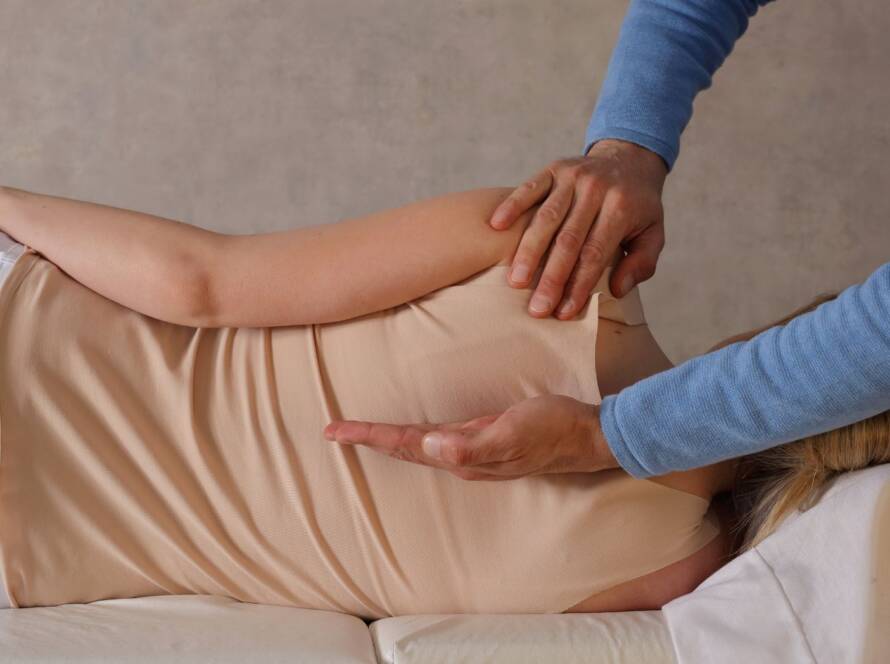
Instead, the term usually describes a targeted recovery massage designed to support overworked soft tissue. A licensed massage therapist uses rhythmic strokes, broad compression, gentle friction, and passive stretching to relax tight muscle fibers. Rather than acting as a chemical drain, it addresses tightness, supports circulation, and helps calm the body after strenuous training.
Does Massage Remove Lactic Acid From Muscles?
During hard exercise, your muscles produce lactate as part of making energy. That burning feeling on your last repetition is linked to this temporary buildup. Once you stop, your body clears lactate through the bloodstream, liver, heart, and resting muscles, usually within an hour or so, with no outside help.
The soreness you feel a day or two later is not lactic acid. It is called delayed onset muscle soreness (DOMS), thought to involve microscopic stress to muscle fibers and the body’s repair response. DOMS typically shows up 24 to 72 hours after unfamiliar or intense exercise.
How Does Massage Support Muscle Recovery?
Even though it does not squeeze out lactate, a dedicated muscle recovery massage may help your body bounce back in three ways:
Benefits of Lactic Acid Release Massage
A regular recovery massage session can offer practical benefits for athletes and active people. Results vary from person to person, and massage is not a guaranteed fix.
- ✓May ease post-workout soreness (DOMS): Some research suggests massage can reduce how sore muscles feel after exercise. Evidence is mixed, but many people find it makes soreness more manageable.
- ✓Supports a faster feeling of recovery: Massage may help you feel less stiff, more relaxed, and more comfortable. It does not speed up the tissue repair itself.
- ✓May improve flexibility and mobility: Relaxed muscles can allow a fuller range of motion, helping you move better in your next workout.
- ✓Helps reduce muscle tension: Regular bodywork can help keep everyday tightness from building up. Check about the deep tissue massage if you deal with stubborn tightness.
Lactic Acid Release Massage vs Deep Tissue Massage
The two styles overlap, but they serve different purposes:
| Recovery Massage | Deep Tissue Massage | |
|---|---|---|
| Focus | Recovery | Tension and chronic tightness |
| Best used | After workouts, events, or physically demanding days | For long-standing tightness and postural strain |
| Pressure | Gentle to moderate | Deeper, slower pressure |
| Goal | Relaxation and recovery | Targeted muscle work |
A deep tissue massage for athletes works well during training blocks. Aggressive pressure right after an exhausting event, however, can irritate already tender tissue.
Who Can Benefit From Recovery Massage?
Recovery massage is not only for elite competitors. It suits:
- ✓Runners and marathoners managing heavy training volume
- ✓Strength athletes recovering from high-load lifting sessions
- ✓Surfers and ocean athletes with tight shoulders, lats, and lower backs
- ✓Hikers handling steep descents that load the quads and calves
- ✓Active travelers stiff from long flights and lots of walking
Best Time To Get a Massage After Exercise
What To Expect During a Muscle Recovery Massage Session
Your session starts with a conversation. Your professional massage therapist will ask about your recent activity, training volume, past injuries, and sore areas. During the session, pressure is adjusted to your comfort while the therapist blends broad strokes, gentle stretching, and targeted work on tired muscles. Afterward, most people feel relaxed, looser, and more comfortable moving.
Is Deep Pressure Always Better For Muscle Recovery?
A common myth is that a recovery massage has to hurt to work. In reality, very deep pressure on tired, tender muscles can make them tense up and leave you sorer. A skilled therapist considers your muscle condition, recovery goals, and comfort level, so the treatment supports recovery instead of adding new soreness. More pressure does not always mean better results.
Tips To Support Muscle Recovery After Massage
- ✓Drink water throughout the day
- ✓Do light, pain-free stretching or take a slow walk
- ✓Eat balanced meals with protein, carbohydrates, and fruit or vegetables
- ✓Get plenty of sleep so your body can repair
- ✓Skip heavy training or max-effort intervals for the rest of the day
- ✓Wondering about a rinse afterward? See should you shower after a massage
Sports Recovery Massage In Honolulu & Waikīkī
Whether you are training for local endurance events, surfing near Waikīkī, or hiking Oahu’s ridgelines, staying active takes consistent upkeep. If you are looking for sports or recovery massage in Honolulu, our therapists at International Market Place can tailor a session to your routine. Explore our therapeutic massage services. You can also find us on the location page.
Frequently Asked Questions
1. Does massage remove lactic acid?
No. Your body naturally clears lactate through the bloodstream, liver, and heart soon after exercise. Massage may support recovery by easing tension and improving circulation.
2. What is lactic acid release massage?
It is a massage approach focused on post-exercise recovery, muscle relaxation, and comfort after physical activity.
3. Is massage good for muscle soreness?
Massage may help reduce feelings of soreness and stiffness after exercise. Results vary from person to person.
4. How soon after exercise should I get a massage?
Timing depends on your activity and goals. Gentle work can happen soon after training, while deeper work is often scheduled 24 to 48 hours later.
5. Is deep tissue massage good after workouts?
It can help with lingering muscle tension for some people, but pressure should always be customized to your comfort and how tender your muscles are.
6. How long does muscle soreness last after a workout?
DOMS usually peaks between 24 and 72 hours after intense or unfamiliar exercise and then fades. Contact a professional if it is severe or does not improve.
Recover Better After Your Next Workout
Book a customized sports and recovery massage with our licensed therapists in Honolulu.