Waking up, placing your feet on the floor, and feeling a sharp, stabbing pain in your heel is an incredibly frustrating way to start the day. If you are dealing with this sensation, you are likely experiencing plantar fasciitis.
This common condition occurs when the thick band of tissue running across the bottom of your foot becomes inflamed. While stretching, ice packs, and supportive footwear can offer some comfort, targeted bodywork is often the missing piece in a successful recovery plan.
Managing this type of chronic discomfort requires specific expertise. Not all bodywork is created equal, and a standard relaxation treatment will not properly address the deep tension causing your heel pain.
Finding the right practitioner makes all the difference for plantar fascia recovery. A skilled therapist understands how the muscles in your toes, arches, calves, and hamstrings interconnect to impact your gait and pain levels.
If you are currently searching for a “massage for plantar fasciitis near me,” choosing a local provider who specializes in clinical, deep tissue, and traditional pressure-point techniques is the fastest way to get back on your feet without pain.
Local Options in Waikīkī and Honolulu

Living in or visiting Oahu means you have access to a wide variety of wellness options, but navigating them to find specialized medical or therapeutic foot care can be overwhelming. The local landscape features everything from luxury resort spas to independent clinical practices. While a high-end relaxation massage in Waikiki is perfect for lowering stress, it rarely provides the deep, anatomical focus required to break up scar tissue and alleviate chronic inflammation in the foot.
For true plantar fascia pain relief, you need to look past general day spas and focus on centers that emphasize anatomy-based recovery. Honolulu and the surrounding Waikīkī area host several specialized clinics where therapists are specifically trained in musculoskeletal conditions. When researching local options, prioritize clinics that mention targeted sports therapies, clinical deep tissue work, or traditional eastern modalities like Shiatsu, which naturally target the deep structural alignment of the lower limbs.
Why Shiatsu Massage Center is Trusted for Plantar Fasciitis
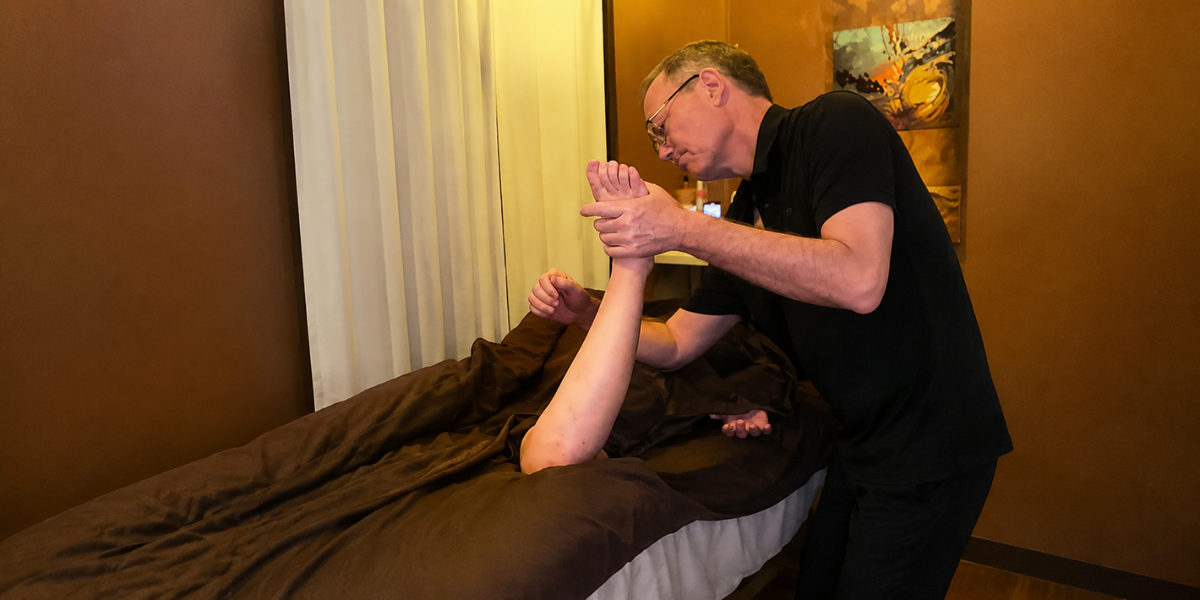
Among the choices available on Oahu, the Shiatsu Massage Center has earned a strong reputation as a trusted destination for individuals dealing with lower limb discomfort. Unlike facilities that offer a revolving door of generic spa packages, this center focuses heavily on therapeutic restoration and functional movement.
The practitioners here do not view heel pain as an isolated issue. They recognize that a tight plantar fascia is frequently the result of structural tension higher up in the leg. By combining deep anatomical knowledge with traditional Japanese pressure-point therapy, the team can locate the exact source of your strain. This specialized approach ensures that every session moves you closer to long-term mobility rather than just offering temporary, surface-level comfort.
“Looking for targeted foot therapy in Honolulu? Our Shiatsu specialists provide safe and effective relief for plantar fasciitis.”
Deep Tissue Massage for Heel Pain Relief
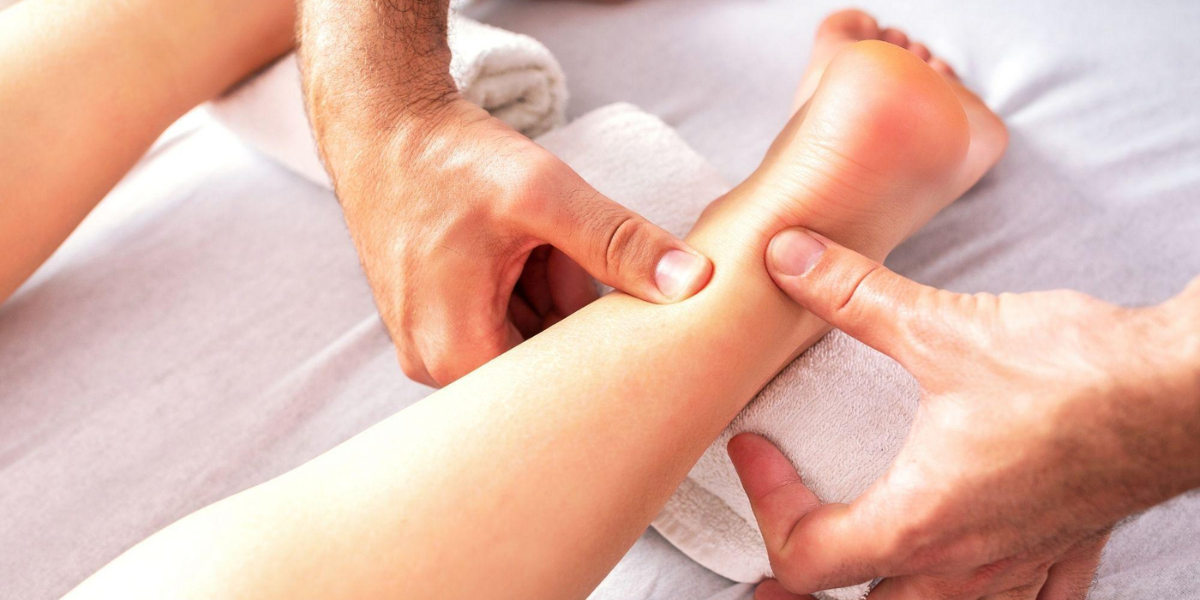
One of the most reliable methods for addressing chronic foot tension is deep tissue massage for plantar fasciitis. This technique uses slow, deliberate strokes and intense, targeted pressure to reach the deeper layers of muscle and connective tissue. When your plantar fascia is chronically inflamed, tiny micro-tears form, leading to stiff, fibrous scar tissue that restricts movement and causes pain during your first steps in the morning.
A skilled practitioner performing deep tissue work will focus heavily on the surrounding anatomy. Working directly on an inflamed heel can sometimes be too intense, so a smart therapist utilizes deep tissue massage for plantar fasciitis calves and achilles tendons first. By releasing the extreme tightness in your calf muscles (specifically the gastrocnemius and soleus), the constant downward pulling force on your heel bone is immediately reduced. This targeted release allows the tissue on the bottom of your foot to finally relax, heal, and regain its natural elasticity.
Shiatsu Massage Benefits for Foot and Calf Recovery
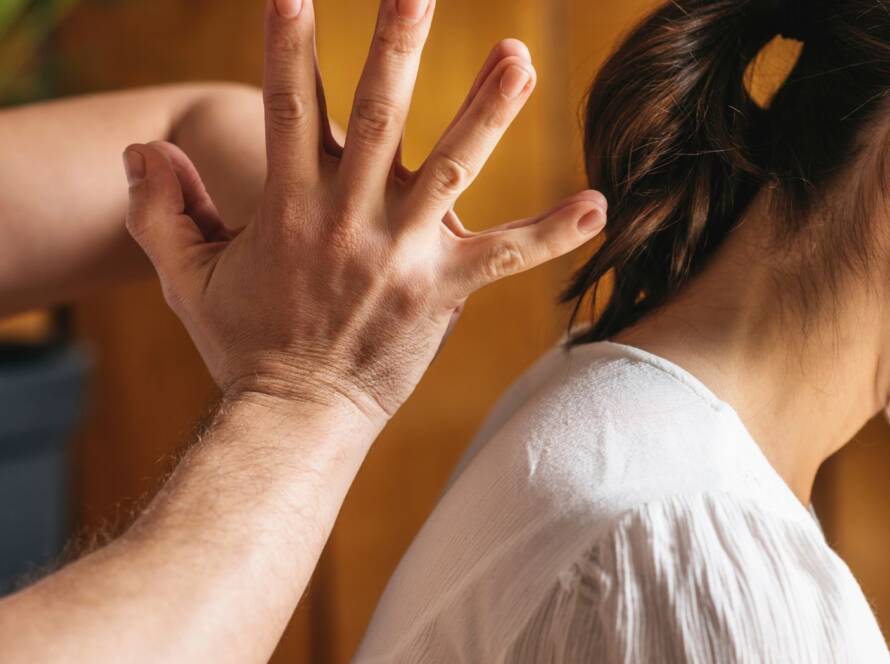
While deep tissue work relies on long strokes and oil, Shiatsu offers a distinct and highly effective alternative for lower body recovery. Shiatsu is a traditional Japanese bodywork modality that utilizes precise finger, thumb, and palm pressure along specific energy pathways and muscular trigger points.
One of the primary Shiatsu massage benefits is its ability to stimulate the body’s natural healing response without causing excessive friction on already sensitive, inflamed skin. During a session, a therapist applies steady, rhythmic pressure to specific points along your arch, heel, and lower leg. This action helps to block pain signals sent to the brain, radically improves local blood circulation, and triggers lymphatic drainage to clear away the cellular debris caused by chronic inflammation.
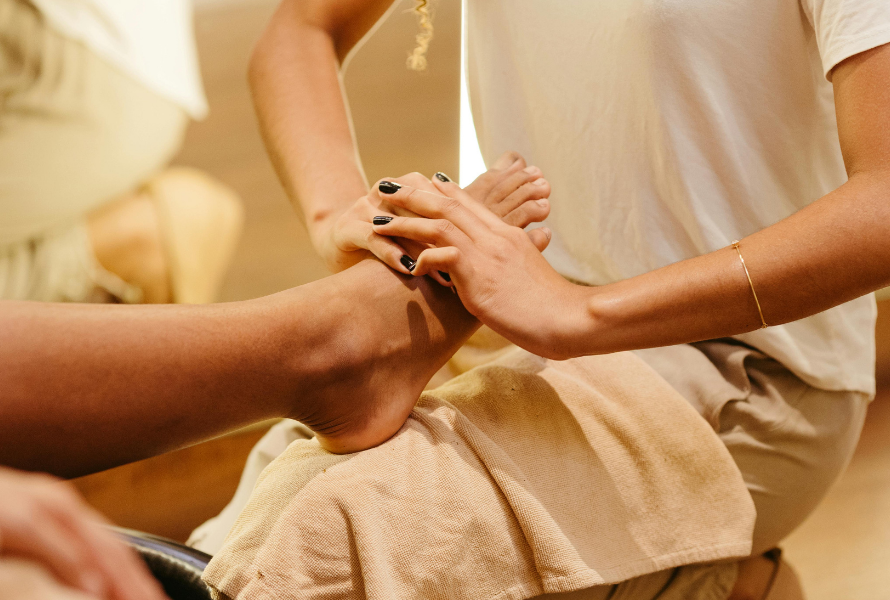
Furthermore, a specialized foot massage Waikīkī works beautifully to restore flexibility to the tiny joints within the foot, ensuring that your weight is distributed evenly when you walk or run.
Booking Tips – Duration, Frequency, and Preparation
To get the absolute most out of your session, a little bit of planning goes a long way. If you are booking a massage specifically for plantar fasciitis, we highly recommend selecting a session length of at least 60 to 90 minutes. This allows your therapist ample time to warm up your calf muscles and hamstrings thoroughly before diving into the precise, sensitive work required on the bottom of your foot.
When it comes to frequency, a single session will provide welcome relief, but chronic conditions usually require a structured plan. For noticeable, lasting improvements, scheduling a session once a week for a period of three to four weeks is generally ideal. Once the acute inflammation subsides, you can transition to a monthly maintenance schedule to keep the tightness from returning.
To prepare for your appointment, try to avoid taking heavy pain relievers right before you arrive. It is vital that you can give your therapist accurate feedback on their pressure levels so they do not accidentally overwork an inflamed area.
Client Experiences and Testimonials

The true measure of any therapeutic clinic is the real-world success of its clients. Many individuals who arrived at the center struggling to walk comfortably have shared how regular, targeted foot sessions changed their daily lives.
For example, local runners who were completely sidelined by severe morning heel pain reported that incorporating a regular Shiatsu foot massage in Waikīkī allowed them to return to their training schedules much faster than using orthotics alone. Other clients, such as hospitality professionals who spend eight to ten hours a day standing on hard floors, frequently note that combining deep tissue work with eastern pressure techniques provided them with the sustained stamina needed to work without constant, distracting throbbing in their arches.
“Expert care in Waikīkī ensures your feet get the relief your body deserves.”
Post-Massage Recovery Tips – Hydration, Stretching, and Rest
What you do after you leave the clinic is just as important as the hands-on work done during your appointment. Proper post massage care ensures your muscles stay relaxed and continue to heal cleanly.
First and foremost, drink plenty of water immediately after your session. Deep bodywork releases metabolic waste from tight muscle fibers, and staying thoroughly hydrated helps your kidneys flush these toxins out of your system efficiently.
Secondly, give your feet a break. Avoid high-impact activities, long walks, or heavy workouts for at least 24 hours after deep tissue or Shiatsu work. Instead, focus on gentle, passive stretching. Gently pulling your toes back toward your shin while sitting down can help maintain the length and flexibility your therapist just worked so hard to create. If you experience any mild tenderness or processing soreness later that evening, a brief 10-minute ice roll using a frozen water bottle will quickly soothe the area.
FAQ Section
1. How do I find a qualified plantar fascia massage therapist?
Look for a licensed practitioner who specifically mentions experience in clinical massage, sports therapy, orthopedic bodywork, or traditional Shiatsu. Do not hesitate to call a clinic beforehand and ask if their staff has specific training in lower limb anatomy and chronic foot conditions.
2. Can I book Shiatsu massage for plantar fasciitis in Waikīkī?
Yes, you absolutely can. The Shiatsu Massage Center offers specialized, traditional Japanese pressure-point sessions specifically designed to target lower leg stiffness, increase blood flow, and relieve stubborn heel discomfort right in the heart of the area.
3. Does local massage therapy provide better relief than home remedies?
While home tools like tennis ball rollers and stretching bands are excellent for daily maintenance, they cannot replace the precision of a professional. A trained therapist can identify specific structural misalignments, track down hidden trigger points in your calves, and safely apply deeper, targeted pressure than you can achieve on your own.
4. How long is a typical plantar fascia massage session?
A typical session lasts between 60 and 90 minutes. This ensures the practitioner has enough time to address the lower back, glutes, hamstrings, and calves before focusing directly on the delicate structures of the foot.
5. What should I expect during my first plantar fascia massage?
Your therapist will begin by evaluating your posture, gait, and pain points. The session will involve deep, focused pressure on your lower legs and feet. While some parts of the session may feel intense or tender, it should always remain within a manageable, therapeutic range. Always communicate clearly with your therapist about your comfort levels.
Conclusion & Booking CTA
Plantar fasciitis does not have to dictate your daily schedule or keep you from enjoying the beautiful landscapes of Oahu. By choosing specialized, expert care that addresses the true muscular root causes of your discomfort, you can finally find lasting relief and protect your feet from future injuries.
Find Fast Relief for Plantar Fasciitis in Waikīkī
Don’t let heel pain keep you from enjoying Oahu. Book a targeted Deep Tissue or Shiatsu foot massage at Shiatsu Massage Center Waikīkī for expert local care that treats the root cause of your pain.