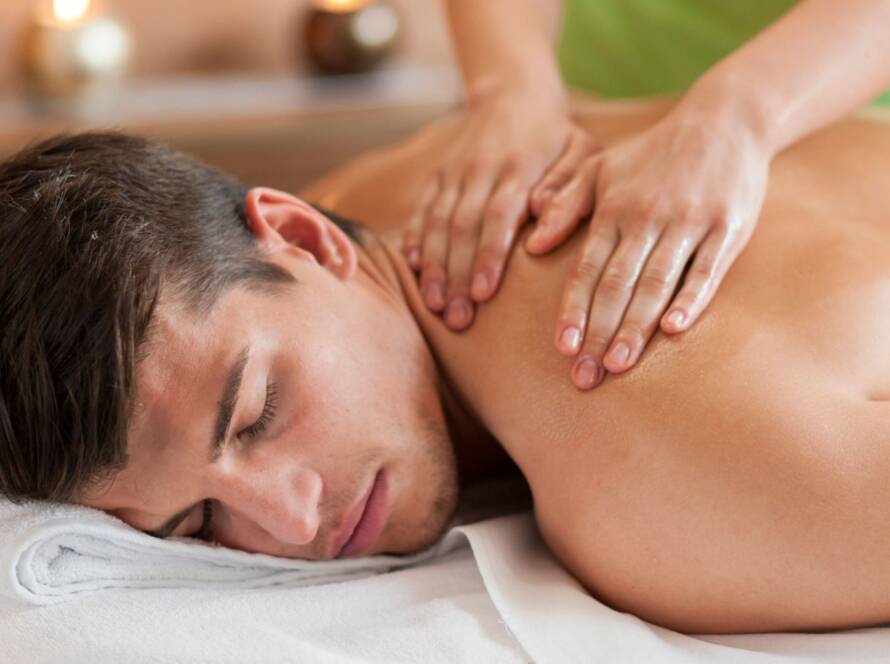
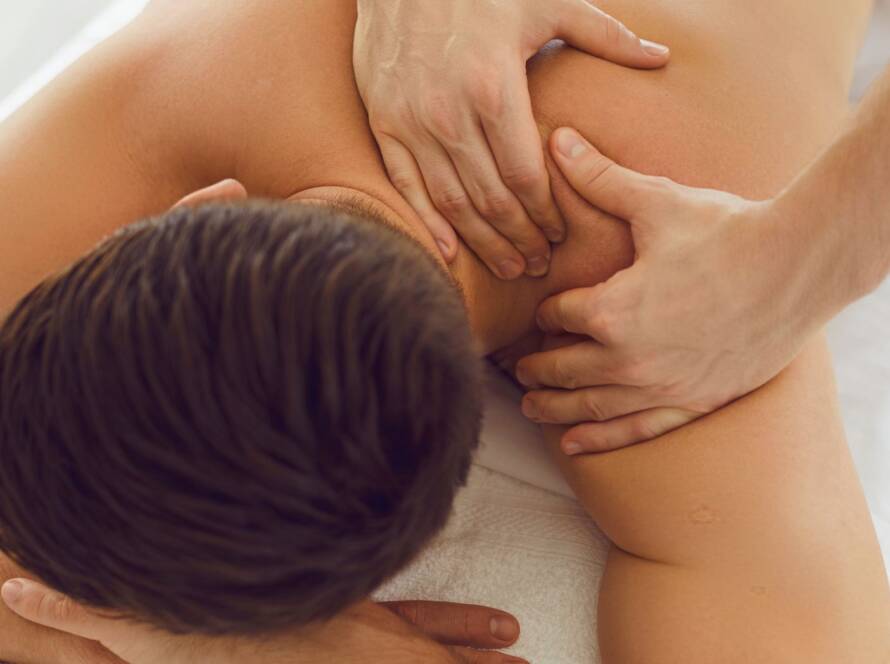
After hours of intense desk work, long flights, or navigating everyday pressures, tension rarely stays confined to one place. It quietly creeps upward.
You might notice a dull ache wrapping around your forehead, persistent tightness gripping the back of your skull, or stiff neck muscles that make turning your head uncomfortable.
When we deal with screen fatigue and mental overload, our upper body naturally bears the brunt of that strain.
While standard head rubs feel pleasant, traditional bodywork approaches the problem from a deeper, more intentional angle.
Shiatsu scalp massage offers a time-tested Japanese approach that uses targeted pressure techniques to help release built-up tension and encourage whole-body relaxation.
By focusing on specific points across the head, temples, and upper neck, this practice does far more than soothe the surface. It provides a grounded, restorative pause for both mind and body.
What Is Shiatsu Scalp Massage?
Shiatsu is a traditional Japanese massage therapy with roots reaching back centuries into classical Asian wellness traditions. The word itself translates literally to “finger pressure” (from “shi”, meaning finger, and “atsu”, meaning pressure).
While modern spa culture has popularized different forms of head treatments, authentic Japanese scalp massage follows deliberate principles designed to balance the body’s natural energy flow and ease localized physical strain.
Unlike generic head rubs that rely primarily on surface friction, circular rubbing, or shampoo lathering, a Shiatsu head massage works systematically along anatomical pathways. The practitioner applies gentle, rhythmic compression using their thumbs, fingertips, and palms.
A thorough session rarely stops at the hair-bearing skin. Because muscle groups work as an integrated network, the practitioner addresses:
- The crown and base of the skull (occipital ridge)
- The temples and forehead
- The sides of the head near the ears
- The upper cervical neck muscles
- The tops of the shoulders and upper trapezius
This integrated focus ensures that the tension pulling at the base of your head is addressed at its mechanical roots.
How Does Shiatsu Scalp Massage Work?
Understanding why this therapy feels so deeply grounding comes down to how human tissue responds to intentional, sustained touch. Rather than aggressively kneading tight fibers, Shiatsu uses three core mechanisms.
1. Pressure Point Techniques
A pressure point scalp massage targets specific locations where nerves, blood vessels, and fascia converge. The therapist uses firm yet gentle finger pressure applied perpendicular to the skin.
Instead of rubbing back and forth, they hold each point steadily for several seconds before releasing smoothly. This rhythmic pacing signals the parasympathetic nervous system to take over, helping lower your heart rate and allowing guarded muscles to soften naturally.
2. Scalp and Muscle Release
Beneath the hair lies the galea aponeurotica, a tough sheet of fibrous tissue connecting the frontal belly of the forehead muscles to the occipital muscles at the back of the head. When you squint at screens or clench your jaw, this entire sheet tightens like a tight cap.
Controlled scalp stimulation helps ease restrictions in the epicranial aponeurosis, releasing tight spots around the temples, eyebrows, jaw joints, and upper cervical spine.
3. Relaxation Through Touch
Mindful touch is biologically powerful. When firm, predictable, non-invasive pressure is applied to the head, the brain registers an environment of safety.
This controlled compression facilitates stress reduction, calms racing thoughts, and encourages genuine body awareness, helping you identify where you hold unnecessary tightness throughout your workday.
Benefits of Shiatsu Scalp Massage
Integrating this practice into your personal routine offers wide-ranging physical and mental advantages. Here is what you can expect from regular sessions:
1. Helps Reduce Stress and Tension
Mental fatigue and emotional strain routinely manifest as physical contraction. Many people seek out a dedicated stress relief massage after intense project deadlines, extended travel, or long stretches of screen time.
Because the head holds countless nerve endings, focused fingertip pressure acts as an off-switch for mental clutter, shifting you out of a fight-or-flight state and leaving you feeling centered.
2. Supports Scalp Wellness
Healthy hair and skin require good local circulation and an environment free of excessive tissue restriction. While not a cure for medical conditions, the gentle manipulation used during a session provides vital circulation support.
Encouraging blood flow to the micro-vessels in the skin promotes overall scalp comfort, helps soothe chronic tightness, and prevents the feeling of tenderness caused by poor posture or tight hairstyles.
3. Helps Release Head and Neck Tension
The muscles supporting your skull connect directly to your cervical spine and shoulder girdle. When shoulders rise toward your ears from stress, the back of your head tightens in response.
Pairing scalp work with a targeted neck and shoulder massage addresses this muscular loop, helping ease the pulling sensations that frequently trigger tension headaches.
4. Promotes Deep Relaxation and Mental Clarity
A major draw among various head massage benefits is the profound mental stillness it produces. Unlike high-intensity sports therapies, this technique invites calm.
It serves as an active mindfulness practice, giving you an uninterrupted space to unplug, breathe slowly, and invest in meaningful self-care.
Can Shiatsu Scalp Massage Help Hair Growth?
There is widespread curiosity online regarding scalp massage for hair growth. It is important to separate scientific reality from marketing hype.
Direct Answer
Shiatsu scalp massage may support scalp health by encouraging relaxation and stimulating the scalp, but it is not a guaranteed hair growth treatment. Hair growth depends on many complex factors, including genetics, hormones, nutrition, and overall health.
While mechanical scalp stimulation can help maintain tissue elasticity and temporarily boost local blood flow to the surface, it cannot alter genetic hair thinning, reverse male or female pattern baldness, or replace dermatological treatments. What it does achieve is creating an optimal, low-stress environment for your existing hair by keeping the skin supple, minimizing localized physical tension, and supporting healthy skin circulation.
Shiatsu Scalp Massage vs Regular Scalp Massage
To help you decide which approach fits your personal goals, it helps to understand how a structured Japanese technique contrasts with a standard spa service:
Technique Foundation
- Shiatsu Scalp Massage: Built upon traditional Japanese bodywork principles, using distinct anatomical pathways and pressure points.
- Regular Scalp Massage: Rooted in Western spa styles, prioritizing broad sensory pampering.
Primary Movements
- Shiatsu Scalp Massage: Utilizes static, rhythmic finger and thumb compression applied directly into points without excessive sliding.
- Regular Scalp Massage: Relies mainly on effleurage, circular surface friction, hair tugging, or shampoo scrubbing motions.
Core Focus
- Shiatsu Scalp Massage: Designed for deep tension release, nervous system balance, and clearing muscle tightness across the head, neck, and shoulders.
- Regular Scalp Massage: Designed primarily for surface-level pampering and temporary head relaxation.
Structure and Application
- Shiatsu Scalp Massage: Follows an organized, methodical sequence tailored to tension patterns.
- Regular Scalp Massage: Employs a flexible, freeform approach without strict adherence to underlying pressure points.
What To Expect During A Shiatsu Scalp Massage Session
If you are scheduling your first appointment, knowing the routine helps you arrive relaxed and ready.
Before the Session
A professional session begins with a short intake conversation. You will discuss any problem areas, such as temple tightness, jaw clenching, or stiff neck joints. This is also the time to share your comfort preferences regarding pressure depth and to let your therapist know about sensitive areas.
During the Session
You will rest comfortably on a padded massage table, usually face up. The therapist uses their hands, thumbs, and fingers to apply methodical, rhythmic pressure starting around the eyebrows, temples, and crown, before moving behind the ears to the base of the skull. They will carefully address the upper neck and the tops of your shoulders to free the connective tissue anchoring your head. No oils are strictly required for authentic Shiatsu, though some sessions incorporate light botanical oils if requested.
After the Session
When the session concludes, you will likely experience a pleasant, light feeling across your forehead and scalp, accompanied by a noticeable drop in bodily stress. Many clients report that their eyes feel less strained and their neck moves with greater ease. It is recommended to drink plenty of water and allow yourself a quiet transition back into your daily activities.
Who Can Benefit From Shiatsu Scalp Massage?
Because of its adaptable nature, a relaxing scalp massage appeals to a wide demographic:
- Desk Bound Professionals: Individuals who sit in front of computer monitors for hours and battle persistent postural tension in the neck and forehead.
- Frequent Travelers: Travelers struggling with jet lag, flight fatigue, or tight neck muscles from cramped seating.
- High Stress Individuals: Anyone looking for non-invasive stress relief to counter chronic anxiety and mental overwhelm.
- People with Scalp Tenderness: Those who wear tight headwear, work hats, or pulled-back hairstyles that cause structural scalp soreness.
- General Wellness Seekers: Individuals building a consistent holistic wellness routine centered around rest and restorative touch.
Is Shiatsu Scalp Massage Safe?
For the vast majority of people, this modality is exceptionally safe, gentle, and refreshing. However, because it works directly with delicate structures around the skull and neck, keeping massage safety tips in mind is always sensible.
You should consult a physician or wait before booking if you have:
- Recent head, neck, or scalp surgeries
- Open wounds, severe skin conditions, or active infections on the scalp
- Unexplained, severe head pain that differs from normal muscle-tension headaches
- A history of blood clots, severe aneurysms, or unmanaged vascular issues
- Severe osteoporosis affecting the cervical vertebrae
Always inform your practitioner of your health history so they can tailor their hand placement and pressure appropriately.
Expert Insight on Scalp Bodywork
Shiatsu scalp massage focuses on controlled pressure, relaxation, and body awareness. A trained therapist understands how to adjust pressure around sensitive areas of the scalp, neck, and shoulders for a comfortable experience. Proper application avoids sharp pain entirely. Instead, it creates what practitioners call pleasant pressure, a sensation where the body immediately recognizes tension releasing without triggering defensive muscle guarding.
Why Choose Professional Shiatsu Scalp Massage?
While self-massage tools and home techniques provide brief comfort, working with a seasoned practitioner makes a noticeable difference. A qualified therapist brings extensive knowledge of head and neck anatomy, instinctively finding the tight bands along your occipital ridge and applying the exact amount of sustained force needed to release them.
For visitors and residents in Hawaii, scheduling a professional Shiatsu scalp massage Honolulu or Shiatsu scalp massage Waikīkī session offers the perfect antidote to travel fatigue and busy work schedules. Seeking out an authentic Japanese scalp massage Honolulu provider allows you to unwind in a serene, quiet setting steps away from the ocean. Instead of guessing your way through tension points, a customized head massage Honolulu appointment ensures every minute is dedicated to restoring ease, mobility, and deep mental calm.
Frequently Asked Questions
1. What is Shiatsu scalp massage?
Shiatsu scalp massage is a traditional Japanese-inspired bodywork technique that uses focused finger and palm pressure on specific points across the scalp, temples, neck, and shoulders to release muscular strain and calm the nervous system.
2. Does Shiatsu scalp massage help hair growth?
Shiatsu scalp massage may support scalp wellness and tissue relaxation by encouraging local blood circulation, but it is not a medically proven cure for genetic hair thinning or clinical hair loss conditions.
3. What are the benefits of Shiatsu scalp massage?
Key benefits include meaningful stress relief, reduced head and neck muscle tightness, improved scalp comfort, supported local circulation, and a deep sense of mental relaxation.
4. How long does a Shiatsu scalp massage session take?
Session lengths vary depending on whether the treatment is a focused add-on or a full body service. Most focused scalp sessions range from 15 to 60 minutes.
5. Is Shiatsu scalp massage painful?
No. Shiatsu utilizes controlled, deliberate pressure designed to feel soothing and relieving. A professional therapist continually checks in and modifies their pressure to match your personal comfort level.