
Your lower back starts aching after standing for just twenty minutes. Or Your feet feel heavy and puffy by late afternoon. Or Your neck and shoulders carry a brand-new kind of tension, and finding a comfortable sleeping position feels like an impossible nightly puzzle.
Growing a human is one of the most incredible journeys in life, but your body undergoes profound physical shifts along the way. Rapid weight distribution changes, shifted posture, and fluctuating hormones place extra strain on your muscles, ligaments, and joints.
You do not have to simply endure persistent discomfort. Specialized pregnancy massage offers a proven, deeply comforting way to relieve tension, calm your mind, and support your changing body from head to toe.
What Is Pregnancy Massage?
Pregnancy massage, also widely known as prenatal massage, is a specialized bodywork treatment specifically adapted to accommodate the anatomical and physiological changes that occur during pregnancy.
Unlike standard spa treatments, a session with a therapist trained in prenatal massage therapy incorporates pregnancy-safe positioning, targeted bolstering, and modified pressure.
Therapists avoid placing you flat on your back or stomach. Instead, they use supportive side-lying techniques with specialized pillows to support your belly, hips, and lower back.
Every stroke is adjusted to enhance circulation, reduce muscle strain, and support nervous system relaxation while keeping both you and your baby completely secure.
Is Massage Safe During Pregnancy?
Yes, massage is safe during pregnancy when performed by a qualified, prenatal-certified massage therapist. Pregnancy massage utilizes gentle, adapted techniques, side-lying positioning, and regulated pressure designed to keep mother and baby comfortable and safe throughout every stage.
Safety is naturally the first question expecting mothers ask when wondering can you get a massage when pregnant. When administered by a trained professional, bodywork during pregnancy is exceptionally safe.
Before booking your appointment, it is always recommended to consult your healthcare provider or OB-GYN, especially if you are experiencing a high-risk pregnancy, gestational diabetes, preeclampsia, or sudden severe swelling.
A professional therapist will always review your health history, discuss your current week of pregnancy, and tailor every technique to your specific physical profile.
Pregnancy Massage Benefits: How It Helps Expecting Mothers
Carrying a baby reshapes your daily posture and places unique physical demands on your body. The therapeutic pregnancy massage benefits extend far beyond pampering:
- Relieves Lower Back and Pelvic Pain: As your belly grows forward, your center of gravity shifts, creating an exaggerated curve in your lumbar spine. Tailored pregnancy back pain massage releases tight stabilizing muscles across your lower back, glutes, and hips to restore balanced movement.
- Reduces Swelling and Promotes Circulation: Increased blood volume and uterine pressure on pelvic vessels can slow circulation in your lower extremities. Gentle rhythmic strokes stimulate the lymphatic system to ease fluid retention in your feet and ankles.
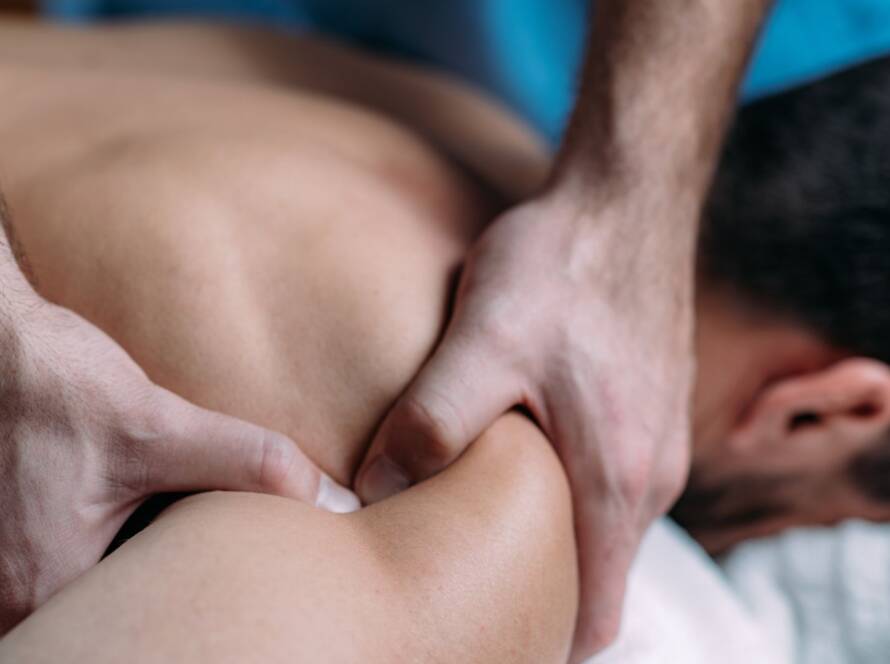
- Soothes Muscle Tension in Neck and Shoulders: Carrying changing weight and adjusting sleep routines often leads to stubborn upper-body tightness. Prenatal bodywork releases tension across the trapezius and shoulder girdle without intense, invasive pressure.
- Alleviates Physical and Emotional Stress: Pregnancy brings immense joy alongside natural emotional stress. Experiencing compassionate touch lowers cortisol levels while boosting mood-elevating neurotransmitters like serotonin and dopamine, creating a calming stress relief massage experience.
- Promotes Deeper, Restorative Sleep: Releasing physical soreness and soothing your nervous system helps you fall asleep faster and stay asleep longer, giving your body the cellular rest it needs.
When Is The Best Time To Get Pregnancy Massage?
Understanding how bodywork adapts throughout each stage will help you choose the right time to schedule care. You can explore our detailed pregnancy massage by trimester guide for an in-depth breakdown.
- First Trimester Massage: Many clinics recommend waiting until your second trimester, primarily because the early weeks carry natural physiological sensitivities and morning sickness. However, gentle relaxation work is safe when approved by your doctor.
- Second Trimester Massage: Weeks 13 through 27 are widely considered the golden window to begin regular sessions. Your belly is noticeably expanding, structural aches begin to surface, and side-lying positioning provides immediate, noticeable relief.
- Third Trimester Massage: The final stretch brings substantial weight gain, pelvic pressure, and tired legs. Frequent sessions during this trimester help ease sciatic nerve tension, soften tight hips, and physically prepare your body for labor and delivery.
What Type Of Massage Is Best During Pregnancy?
Not every massage style is suitable during pregnancy. Choosing the correct modality ensures safe, effective relief:
- Certified Prenatal Massage: The absolute gold standard. It uses Swedish-based strokes, lymphatic stimulation, and specialized side-lying cushioning to safely alleviate tension across your entire body.
- Gentle Therapeutic Massage: Targets mild knots in the upper back and shoulders using broad, warming strokes that do not overstress delicate ligaments softened by the hormone relaxin.
- Deep Tissue Considerations: While standard deep tissue massage benefits are wonderful for chronic athletic tension, firm, intense elbow pressure is not suitable during pregnancy. Prenatal therapists use customized medium pressure to avoid aggravating relaxed pelvic joints and delicate blood vessels.
Common Pregnancy Discomforts Massage Can Help With
Every pregnancy presents unique physical challenges. Targeted bodywork offers precise relief for the most common issues:
Lower Back and Hip Aches
Your stabilizing pelvic ligaments soften to prepare for birth, forcing surrounding muscles to overcompensate. A dedicated pregnancy back pain massage releases hypertonic gluteal muscles and lumbar strain safely.
Swollen Ankles and Heavy Legs
Sluggish venous return can leave feet feeling stiff and heavy. Targeted lymphatic strokes deliver remarkable foot massage benefits, reducing localized fluid accumulation and restoring comfort with every step.
Stiff Neck and Upper Back Tension
Compensating for a shifting center of gravity pulls your head and shoulders forward. Specialized neck and shoulder massage gently softens tight cervical muscles, easing tension headaches naturally.
How Prenatal Massage Differs From Regular Massage
Understanding the distinction between standard and prenatal care gives you complete peace of mind:
- Primary Purpose: A regular massage focuses on general relaxation, sports recovery, or deep structural release. A prenatal massage is custom-built to relieve maternal aches, improve fluid circulation, and calm pregnancy-specific stress.
- Client Positioning: Regular sessions place you face down or flat on your back on a standard table. Prenatal sessions utilize secure side-lying arrangements supported by specialized pillows to keep pressure off major blood vessels.
- Therapist Training: A standard session is performed by a general massage practitioner. Prenatal care is delivered by a therapist with advanced certification in maternal anatomy, contraindications, and gestational health.
- Applied Pressure: Regular massage ranges from light touch to deep, forceful joint mobilization. Prenatal bodywork uses carefully regulated light-to-medium strokes, avoiding deep abdominal work and high-intensity trigger point therapy.
Pregnancy Massage Safety Tips: What Expecting Mothers Should Know
Following essential massage safety tips ensures your experience remains safe, restful, and rejuvenating:
- Always obtain clearance from your prenatal doctor or midwife before booking your first session.
- Inform your therapist immediately about your exact gestation week and any physical symptoms you are experiencing.
- Never lie flat on your back after your fourth month, as the weight of the uterus can compress the inferior vena cava and restrict blood flow.
- Ensure your therapist avoids aggressive pressure on your inner ankles, which contain sensitive acupressure points connected to pelvic stimulation.
- Speak up instantly if any position, bolster angle, or pressure level feels uncomfortable during your treatment.
What To Expect During Your Prenatal Massage Session
Arriving for your appointment should feel welcoming, safe, and deeply peaceful:
- Before Your Session: You will complete a detailed prenatal intake form. Your therapist will discuss your current trimester, specific areas of tightness, and any guidance provided by your doctor.
- During Your Treatment: You will be settled into a cozy side-lying position, cushioned by body pillows designed to cradle your belly, elevate your top knee, and align your spine. Your therapist checks in on room temperature, bolster support, and pressure depth throughout the session.
- After Your Treatment: You will be given time to transition slowly from the table. Your therapist will provide refreshing water to aid hydration and suggest gentle home stretches to prolong your relief.
Prenatal Massage in Honolulu and Waikīkī
Whether you are a local resident managing daily work strain while expecting or a visitor enjoying a relaxing babymoon on Oahu, our island environment is the ultimate setting to slow down and heal.
Warm trade winds, gentle ocean breezes, and a peaceful clinic setting create the perfect backdrop for therapeutic care. Our certified therapists specialize in prenatal massage Waikīkī visitors and pregnancy massage Honolulu locals trust for soothing, expert relief. We personalize every minute of your care to ensure you leave feeling balanced, rested, and ready for the journey ahead.
Frequently Asked Questions
1. Can you get a massage when pregnant?
Yes. You can safely receive a massage while pregnant as long as you work with a certified prenatal therapist who uses modified positioning and approved pressure techniques.
2. Is prenatal massage safe during the first trimester?
Yes, gentle relaxation massage can be safe, but many therapists and clinics prefer starting in the second trimester. Always consult your obstetrician before receiving care during early pregnancy.
3. What trimester is best for pregnancy massage?
The second and third trimesters are ideal. This is when physical body changes, lumbar strain, and leg fatigue become most noticeable, making therapeutic relief most effective.
4. How often should you get a prenatal massage?
Receiving a session every two to four weeks during the second trimester, and every one to two weeks during the third trimester, provides consistent comfort and muscle relief.
5. Can massage help pregnancy back pain?
Yes. Prenatal massage gently relaxes overworked lower back muscles, softens tight glutes, and realigns structural tension caused by your shifting center of gravity.

2 Comments
Comments are closed.