Carrying a baby is one of the most transformative experiences in life, but it also brings real physical strain. By the end of a regular day, simple routines like sitting at a desk, folding laundry, or walking up a flight of stairs can leave your lower back aching.
Your legs might feel heavy and swollen, your neck and shoulders carry tight knots of tension, and finding a comfortable way to sit or sleep can feel nearly impossible.
When your body feels this exhausted, getting a massage sounds like the ultimate form of comfort. However, maternal instinct naturally kicks in first. You find yourself pausing and asking: can you get a massage when pregnant? Is it actually safe for both you and your developing baby?
The short answer is comforting. Yes, expecting mothers can enjoy the soothing physical and mental relief of bodywork, provided it is approached with the right care, proper positioning, and trained expertise.
Understanding the essentials of prenatal bodywork will help you make confident, safe choices for your wellness throughout every trimester.
Is Massage Safe During Pregnancy?
Yes, massage is safe during pregnancy when performed by a trained prenatal massage therapist using pregnancy-specific techniques. Certified therapists adjust pressure, use specialized side-lying positions with pillows, and tailor every movement to your comfort level and specific stage of pregnancy.
When done correctly, safe massage during pregnancy works with your changing anatomy rather than against it. A qualified therapist understands that your blood volume increases dramatically, your ligaments loosen due to the hormone relaxin, and your center of gravity shifts week by week. By following established clinical safety guidelines, a professional therapist ensures that the pressure applied is gentle, soothing, and supportive.
If you are exploring comprehensive care options, you can read our complete pregnancy massage guide for a full breakdown of maternal wellness protocols. Always remember to check with your obstetrician or midwife before booking your first session, especially if you have an underlying medical condition.
When Can You Start Getting Massage During Pregnancy?
Every pregnancy progresses along its own timeline, and the way your body responds to touch changes as your baby grows. Here is what you should know about scheduling bodywork across the different stages of pregnancy.
First Trimester (Weeks 1 to 12)
The first trimester is a time of rapid hormonal shifts and delicate embryonic development. Many massage clinics choose not to treat clients during the first twelve weeks as a standard precaution, mainly because the risk of natural miscarriage is statistically highest during this early window.
However, from a purely physiological standpoint, gentle touch is not harmful if you are experiencing a healthy pregnancy. If you wish to receive pregnancy massage first trimester care, it is essential to have open medical guidance from your healthcare provider and book only with a specialized therapist who understands early pregnancy physiology. If morning sickness, fatigue, or dizziness are strong, resting at home might be the better choice until your energy stabilizes.
Second Trimester (Weeks 13 to 27)
The second trimester is widely considered the golden window for starting prenatal bodywork. Morning sickness usually subsides, energy levels bounce back, and your belly begins to show noticeably.
As your uterus expands, your posture starts to change, placing extra strain on your lower back and hip joints. This stage is the most popular time for expecting mothers to schedule regular sessions. A therapist can help relieve tightness in the glutes, hips, and mid-back while keeping you rested and relaxed in safe side-lying postures.
Third Trimester (Weeks 28 to 40+)
During the final stretch, physical discomfort reaches its peak. Carrying extra baby weight can cause swollen ankles, sciatic nerve irritation, tight calves, and persistent upper back stiffness.
Third trimester massage provides invaluable physical relief and emotional calm. Therapists focus heavily on reducing fluid retention in the extremities, opening the chest to assist with breathing, and easing muscle fatigue around the pelvis. It serves as a soothing pause during the final weeks leading up to labor.
What Type of Massage Is Safe During Pregnancy?
Not all massage modalities are suitable for an expecting mother. Standard deep tissue work and aggressive sports bodywork must be replaced with gentler, pregnancy-focused modalities.
Certified Prenatal Massage
Specialized prenatal massage therapy is specifically adapted for maternal anatomy. Rather than lying flat on your stomach or back, you are supported on your side with supportive body pillows, wedges, and soft padding. The strokes are long, rhythmic, and soothing, designed to calm your central nervous system without placing deep or sharp force on delicate tissues.
Gentle Therapeutic Bodywork
If you have localized aches in your neck, shoulders, or between your shoulder blades, gentle therapeutic work can release those tight spots safely. The therapist uses moderate, steady pressure rather than aggressive elbow work or intense trigger point therapy. This helps loosen stubborn knots caused by changing posture without causing systemic soreness.
Relaxation and Lymphatic Techniques
Light touch therapies, such as Swedish relaxation techniques and gentle lymphatic strokes, encourage healthy circulation. These light, sweeping movements guide excess fluid away from puffy ankles, feet, and hands back toward your heart, offering noticeable relief from everyday swelling.
What Should You Avoid During Pregnancy Massage?
Keeping prenatal massage safety as your top priority means knowing what techniques and practices to avoid entirely.
- Lying Flat on Your Back: After the 16th week of pregnancy, you should never lie flat on your back for prolonged periods. The weight of your uterus can press down on the vena cava, a major vein that returns blood to your heart, which can cause dizziness, drop your blood pressure, and reduce blood flow to the placenta.
- Deep Pressure on the Legs: Blood flow changes during pregnancy increase the risk of blood clots, particularly in the lower calves. Deep tissue work, heavy kneading, or vigorous friction on the legs should always be avoided. Light, upward strokes are the only safe option for legs.
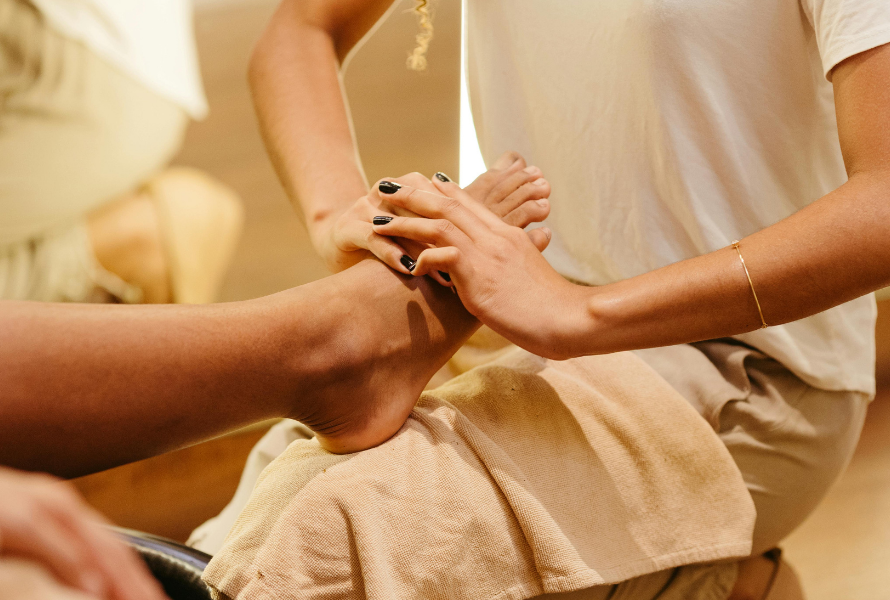
- Intense Pressure Around Pressure Points: Certain reflexology and acupressure points around the ankles, heels, and webbing between the thumb and index finger are traditionally linked to uterine contractions. Experienced prenatal practitioners avoid stimulating these areas deeply.
- Ignoring Pain or Discomfort: A massage should never hurt, especially when you are pregnant. If a position feels awkward, if a room feels too warm, or if the pressure feels too heavy, speak up immediately so the therapist can adjust.
Benefits of Massage During Pregnancy
Investing in your physical comfort during pregnancy yields real benefits for both your body and your peace of mind. Here are the core pregnancy massage benefits expecting mothers can look forward to:
- Relief from Aches and Pains: Regular gentle bodywork releases tight back muscles, relieves hip strain, and soothes painful sciatica.
- Reduced Swelling and Fluid Retention: Gentle, upward strokes stimulate the lymphatic system, easing puffiness in the ankles, feet, and fingers.
- Better Sleep Quality: By lowering physical tension and soothing the nervous system, massage makes it easier to fall asleep and stay asleep comfortably.
- Stress Reduction and Mood Support: Soothing touch lowers cortisol levels and increases the production of feel-good hormones like serotonin and dopamine, helping reduce pregnancy-related anxiety.
- Improved Posture and Muscle Balance: As your belly grows, massage helps your neck, shoulders, and spine adapt smoothly to your shifting center of gravity.
Frequently Asked Questions
1. Can you get a massage in the first trimester?
Yes, but it is best to consult your doctor first and choose a certified prenatal therapist. Many clinics prefer to wait until the second trimester simply to ensure the pregnancy is stable and comfortable.
2. Is prenatal massage safe?
Yes. When performed by a licensed practitioner trained in maternal care, prenatal massage is a gentle, safe, and effective way to relieve physical aches and mental stress.
3. Can massage harm the baby?
A properly performed prenatal massage will not harm the baby. Certified therapists use safe side-lying positions, avoid harmful pressure points, and use gentle to moderate pressure that protects both mother and baby.
4. How often can pregnant women get massages?
Most expecting mothers benefit from a session every two to four weeks during the second trimester, and once every one to two weeks during the third trimester as physical discomfort increases. Always listen to your body and follow your doctor’s recommendations.