You sit back in a comfortable chair, close your eyes, and let a skilled therapist work on your tired feet. It sounds like the ultimate recipe for relaxation. Yet, a few hours after your session, you might find yourself asking a confusing question: can foot reflexology make you sick?
Instead of feeling energized, you might experience a mild headache, sudden fatigue, or even a wave of nausea. If you are experiencing a foot massage making me sick sensation, do not panic. It is actually a relatively common response.
While foot reflexology is generally safe and deeply therapeutic, it can trigger temporary reactions as your body adjusts. Understanding the difference between a normal healing response and a sign that something is truly wrong is key to enjoying this ancient therapy. Let us dive deep into the science, symptoms, and safety tips surrounding foot reflexology side effects.
How Foot Reflexology Works
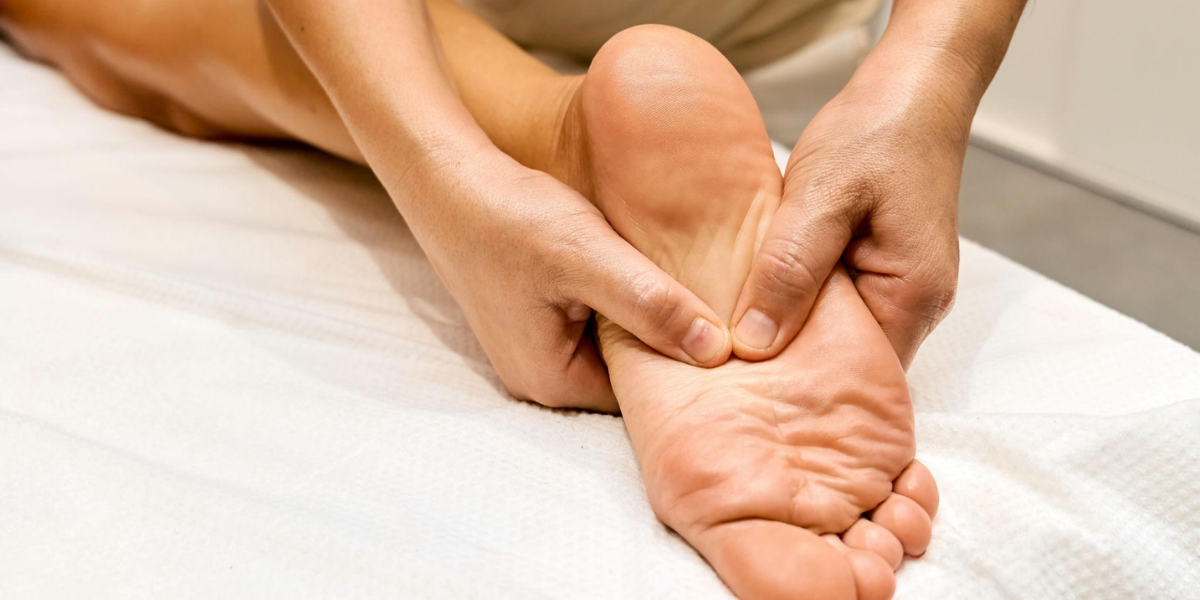
To understand why you might feel unwell after a session, it helps to understand what is happening under the skin. Foot reflexology is not just a standard foot rub. It is a targeted therapeutic practice based on the principle that specific reflex points on the feet correspond to different organs, glands, and systems throughout the body.
The human foot is an anatomical marvel, containing over 7,000 nerve endings. Reflexologists map these pressure points to distinct zones. For example, the tips of the toes relate to the head and sinuses, while the ball of the foot corresponds to the heart and lungs.
When an expert applies targeted foot pressure reactions occur across your central nervous system. This stimulation sends signals through the nervous system to clear energy blockages, enhance blood flow, and encourage the body to enter a state of homeostasis, which is its natural state of balance. Whether you receive expert foot therapy Oahu style or a traditional session elsewhere, the physical manipulation impacts your entire systemic circulation.
Why Some People Feel Sick After Reflexology
It feels contradictory that a wellness treatment can make you feel ill. Can massage make you sick in general? Yes, any deep manual therapy can cause temporary systemic changes. When looking specifically at the feet, there are four primary reasons you might feel under the weather afterward.
The Reflexology Detox Symptoms
As the therapist stimulates various reflex points, lymphatic drainage increases and cellular waste is nudged into the bloodstream for elimination. This sudden release of metabolic waste can overwhelm your system temporarily, causing mild nausea or a dull headache.
Circulatory Changes
Reflexology significantly boosts your blood circulation and alters blood pressure dynamically during the session. When you stand up too quickly after a session, or if your body is adapting to this sudden rush of oxygenated blood, you may experience temporary dizziness.
Massage Intensity
Everyone has a different threshold for pain and pressure. If a therapist applies deep pressure on highly sensitive points, your body might perceive it as a minor trauma. This can trigger a mild inflammatory response, leaving you with sore feet after reflexology rather than feeling relaxed. It is vital to differentiate this localized muscular soreness from a systemic illness.
The Reflexology Healing Crisis
In alternative medicine, a healing crisis refers to a temporary worsening of symptoms as the body purges toxins and rebalances itself. Think of it as your body doing a deep spring cleaning. Before things look spotless, dust gets kicked up into the air, causing brief discomfort.
Common Reflexology Side Effects
While many people walk away from the massage table feeling like they are walking on clouds, others experience a cluster of reflexology session after-effects. Here are the symptoms most frequently reported by clients.
- Nausea: A wave of reflexology nausea is usually tied to the detoxification process and the stimulation of reflex zones tied to the digestive tract.
- Headache: Triggered by shifting circulation and the release of tension in the neck and head reflex zones.
- Mild Flu-Like Symptoms: Some individuals experience reflexology flu-like symptoms, which include low energy, a stuffy nose, or a general sense of malaise.
- Temporary Fatigue: It is incredibly common to find yourself feeling exhausted after foot massage treatments because your parasympathetic nervous system has been kicked into high gear, demanding rest so the body can repair itself.
Who Is More Likely to Feel Sick?
Not everyone will react to a reflexology session in the same way. Certain individuals possess sensitive nervous systems or specific health profiles that make them more prone to an intense post-treatment reaction.
First-time clients are the most susceptible to a healing crisis. Because their reflex points have never been stimulated, the initial clearance of tension and metabolic waste can be quite drastic.
People with weak immunity or those managing a chronic illness also tend to feel more pronounced side effects. Their bodies are already working overtime to maintain balance, so the added work of processing a reflexology session can briefly drain their remaining energy reserves. Finally, individuals with highly sensitive nervous systems may experience heightened foot pressure reactions, translating deep physical stimulation into systemic exhaustion.
How to Minimize Side Effects

You do not have to avoid this deeply beneficial therapy just because of potential side effects. By taking a few proactive steps, you can significantly reduce your chances of feeling unwell.
Hydrate Intensely
Experiencing extreme thirst after reflexology session completions is your body screaming for water to flush out the newly released toxins. Drink plenty of clean water both before and after your appointment to assist your kidneys and liver in doing their jobs.
Eat Lightly
Avoid eating a heavy, greasy meal right before your appointment. Your body will divert blood flow to your digestive tract to process the food, which can amplify feelings of nausea during the foot massage. Stick to a light snack like fruit or toast an hour before.
Start Slowly
If you are a beginner or prone to sensitivity, ask for shorter sessions, perhaps thirty minutes instead of a full hour. This allows your nervous system to get used to the therapy without sending you into a full healing crisis.
Speak Up About Pressure
Never suffer in silence. If the reflexology foot pressure reactions feel too intense, tell your therapist immediately. Reflexology should be firm and occasionally intense, but it should never cause agonizing pain.
When Foot Reflexology Might Be Unsafe
While a mild healing crisis is normal, there are times when reflexology therapy safety is compromised due to underlying medical conditions. In these cases, you should avoid the practice or seek strict medical clearance first.
Pregnant individuals must exercise extreme caution. Certain reflex points around the ankles and heels are directly tied to the uterus and pelvic floor, and improper stimulation could potentially trigger premature contractions.
Furthermore, anyone suffering from active foot infections, open wounds, or severe fungal issues should avoid treatment until healed to prevent spreading bacteria. Severe circulatory issues like deep vein thrombosis present a massive risk, as increased circulation could dislodge a blood clot. Lastly, recent foot fractures, severe sprains, or surgeries mean the foot anatomy is too fragile for manual pressure.
Benefits vs Temporary Discomfort
It is important to keep things in perspective. The mild, temporary discomfort you might feel for a few hours is a small price to pay for the sweeping health benefits that a regular reflexology practice offers.
Once the initial detox symptoms pass, most clients report a massive reduction in daily stress and anxiety levels. The targeted pressure boosts full body circulation, allowing oxygen and nutrients to reach your tissues more effectively. Many people find long-term pain relief from chronic conditions like migraines, back pain, and digestive issues. Perhaps the most celebrated benefit is the profound relaxation and better sleep quality that follows once your body successfully processes the session.
FAQs
1. Why do I feel nauseous after reflexology?
Nausea is typically caused by the release of metabolic waste into your bloodstream as your organs are stimulated to detoxify. It can also happen if the reflex points corresponding to your stomach, liver, or intestines receive deep stimulation.
2. How long do reflexology side effects last?
If you are wondering how long does reflexology flu last, the good news is that it is brief. Most side effects, including fatigue and mild headaches, peak within a few hours of treatment and completely clear up within twenty-four to forty-eight hours.
3. Can reflexology cause dizziness or flu-like symptoms?
Yes, it can. The deep relaxation drops your blood pressure temporarily, which can cause dizziness when you stand up. The flu-like feelings are simply your immune and lymphatic systems working together to clear out waste.
4. Is it safe to have reflexology every week?
For most healthy individuals, weekly sessions are completely safe and highly beneficial for managing chronic stress or pain. However, if you experience a severe healing crisis each time, you may want to space your sessions out to every two or three weeks.
5. Is it normal to be sick after reflexology?
Feeling mildly under the weather, tired, or sore is normal. However, actually vomiting, running a high fever, or experiencing severe pain is not a standard reaction. If you experience these intense symptoms, it is likely a coincidence and you may have caught a stomach bug or virus independently of your session.
6. What are the side effects of reflexology foot massage?
The most common side effects include increased urination or bowel movements due to detoxification, temporary headaches, mild nausea, lightheadedness, emotional releases like sudden crying or laughing, and localized foot tenderness.
7. Who should avoid foot reflexology?
People with deep vein thrombosis, recent foot fractures, open foot wounds, severe arthritis in the feet, or high-risk pregnancies should avoid foot reflexology unless they receive direct clearance from their primary physician.
Important Disclaimer
Foot reflexology may cause mild temporary side effects in some individuals. This article is for informational purposes only and is not a substitute for professional medical advice. Consult your healthcare provider if you have a chronic illness or experience severe reactions.