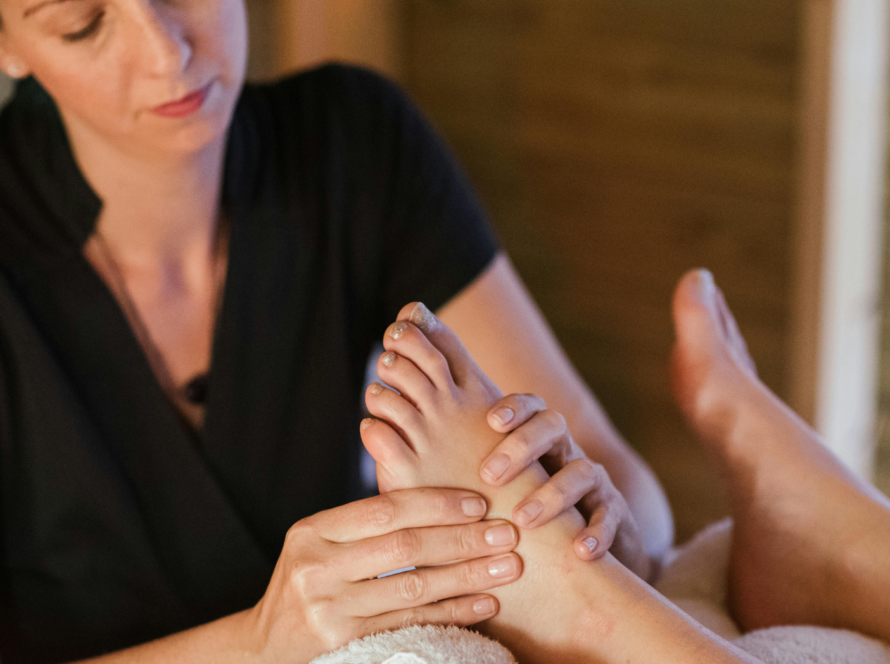
You booked a massage expecting to leave feeling light, relaxed, and stress-free. Instead, you walk out of the clinic or spa with a dull throb behind your eyes or a tight band of pain across your forehead.
Getting a headache after massage therapy can feel confusing and frustrating. After all, isn’t bodywork supposed to relieve pain, not cause it?
While a mild headache can occasionally happen after a session, it is important to understand that the timing alone does not prove the massage directly caused it.
Pressure levels, posture on the table, hydration, sensitivity to scents, or an underlying headache condition may all play a role.
Most importantly, a severe or unusual headache should never be ignored or automatically written off as a standard post-massage reaction.
Here is a look at why a headache after a massage might happen, what you can do to find relief, and how to reduce the chances of it happening again.
Why Might You Get a Headache After Massage?
Headaches are complex, and pinpointing a single trigger can be tricky. When a post massage headache occurs, it is usually the result of several overlapping factors rather than a single direct cause.
Consider this common scenario: You arrive for an afternoon appointment after a long flight, a stressful morning at work, two cups of coffee, and very little water. During the session, you lie face down in a face cradle for an hour. If a headache develops an hour later, the massage itself is likely only one contributing factor among many.
Several reasonable possibilities can explain why your head might hurt after a session:
- Positional Strain: Lying prone face down with your neck rotated or resting in a face cradle for an extended period can put subtle pressure on the cervical spine and surrounding muscles.
- Intense Physical Manipulation: Deep work on tense muscles around the shoulders, upper back, and neck can leave tissues feeling tender, which may trigger a tension response in sensitive individuals.
- Dehydration or Hunger: If you skipped a meal or did not drink enough water before your appointment, the physical demand of receiving bodywork can amplify mild dehydration or low blood sugar.
- Sensitivity to Aromatherapy: Many spas use scented oils, lotions, or diffusers. Strong fragrances like eucalyptus, lavender, or synthetic perfumes can trigger migraines or sinus headaches in sensitive people.
- Postural Shifts: Getting up too quickly from a flat, relaxed position can cause a sudden drop in blood pressure, leading to temporary lightheadedness or a mild postural headache.
- Coincidental Timing: Sometimes, a tension headache or migraine was already developing prior to your appointment and simply manifested fully afterward.
Can Deep Tissue or Strong Pressure Trigger a Headache?
It is common to notice a headache after deep tissue massage in particular. Deep tissue work involves firm, focused pressure aimed at reaching deeper layers of muscle and connective tissue.
While many people enjoy intense pressure, vigorous massage techniques can leave some individuals feeling bruised, sore, or physically drained. “Deep” should never mean enduring pain.
If muscle work on your upper back or shoulders feels uncomfortably intense, it can cause you to unconsciously brace yourself, tightening your jaw, neck, and chest muscles. This involuntary guarding can easily spark a tension headache.
It is worth noting that while professional bodywork is generally safe, research from health organizations like the National Center for Complementary and Integrative Health (NCCIH) notes that rare serious side effects are more often linked to overly aggressive or vigorous techniques. Communication with your therapist is key. You should always speak up if the pressure crosses the line from a therapeutic ache to actual pain.
If you want to learn more about how different modalities affect your body, you can explore the common side effects of massage to better understand what to expect.
Can Neck and Shoulder Massage Lead to Head Pain?
The Neck-Headache Connection: The neck and upper back carry heavy daily stress, and their nervous system pathways are directly linked to how your brain processes headache pain.
Nerves, Not Blood Flow: Tight muscles don’t “block blood flow to the brain.” Instead, key head and scalp nerves run directly through the neck and base of the skull (suboccipital region). Deep pressure or pre-existing inflammation can temporarily irritate these nerves.
Pre-Existing Tension: A headache post-massage rarely means the therapist caused a new injury. It usually means existing neck stiffness and head pain are reacting to the treatment as part of the same underlying pattern.
General vs. Targeted Care: Standard deep-tissue work can be too aggressive. Chronic sufferers often benefit more from specialized, gentle headache relief techniques rather than general bodywork.
Is a Headache After Massage a “Detox” Reaction?
You may occasionally hear a headache after bodywork described as a “detox headache” or a sign that “toxins are flushing out of your muscles.”
While this idea is popular in wellness circles, it is not an established medical concept. Your liver and kidneys handle body detoxification continuously; massage muscles do not squeeze chemical toxins into your bloodstream in a way that causes head pain.
Attributing a headache to a “detox reaction” can be counterproductive because it encourages people to normalize their discomfort or ignore symptoms that need attention.
A post-session headache is far more likely due to simple factors like hydration status, nerve sensitivity, intense pressure, or position on the table.
What Should You Do If You Get a Headache After a Massage?
If you develop a mild headache after your appointment, simple self-care measures are usually all that is needed to help your body rebalance.
- Rest in a Quiet Space: Turn down bright lights, step away from screens, and lie down in a quiet room to give your nervous system a chance to settle.
- Hydrate and Eat: Drink a glass of water or an electrolyte solution. If you have not eaten recently, have a light snack containing complex carbohydrates and protein.
- Apply Temperature Therapy: A cool compress placed across your forehead or a warm pad on the back of your neck can help soothe tender muscles and nerve endings.
- Avoid Further Pressure: Resist the urge to aggressively rub or dig into your neck or scalp with your fingers, massage guns, or hard balls while the area is tender.
- Track Your Triggers: Take a moment to note what happened during the session. Was a specific scented oil used? Was the face cradle uncomfortable? Did the practitioner work heavily on one specific spot?
If the headache is mild and feels similar to tension headaches you have had in the past, rest and hydration are reasonable first steps. However, if the headache is unusual, continues to worsen, or fails to resolve, seeking medical advice is far safer than assuming it is just a normal reaction.
When Is a Headache After Massage a Warning Sign?
While most post-session headaches are minor and temporary, safety should always come first. A massage should never be used as an excuse to ignore a severe or atypical headache.
Seek immediate emergency medical attention if your headache is accompanied by any of the following red flag symptoms:
- A sudden, severe headache that reaches maximum intensity within seconds often called a thunderclap headache
- Confusion, slurred speech, or difficulty understanding language
- Sudden weakness, numbness, or paralysis on one side of your face or body
- Vision loss, double vision, or significant visual disturbances
- High fever accompanied by a stiff neck
- Loss of balance, dizziness, or difficulty walking
- A severe headache following recent head or neck trauma
These symptoms are recognized medical warning signs that require urgent evaluation by a doctor, regardless of whether you recently had a massage.
How to Reduce the Chance of a Headache After Your Next Session
You do not have to give up on bodywork just because you experienced a headache once. Taking a proactive approach before and during your next appointment can make a major difference in your comfort.
Here are practical steps to protect your comfort:
- Share Your Health History: Always inform your practitioner if you are prone to migraines, tension headaches, or neck injuries.
- Establish Clear Pressure Boundaries: Tell your therapist up front if you prefer light to moderate pressure, especially around the neck, upper shoulders, and suboccipital area. You can say something like: “I am prone to headaches after deep neck work, so please keep the pressure light to moderate on my neck.”
- Request Fragrance-Free Products: If you are sensitive to smells, ask for unscented hypoallergenic oils or lotions and request that essential oil diffusers be turned off.
- Adjust Table Comfort: If the face cradle feels tight or puts pressure on your sinuses and eyes, ask your therapist to adjust the angle or add extra padding. You can also ask to spend more time lying on your back or side.
- Get Up Slowly: When the session ends, sit on the edge of the table for a minute or two before standing up to allow your blood pressure to stabilize.
- Prioritize Pre-Session Prep: Arrive well-hydrated and avoid skipping meals right before your appointment.
Practitioners at centers that focus on customized, client-centered care prioritize open communication. For example, therapists at Shiatsu & Massage Center tailor every session around your specific comfort level, adjusting pressure and techniques to suit your body’s sensitive areas.
Should You Get Another Massage If You Had a Headache Last Time?
Having a headache after bodywork doesn’t mean you can’t enjoy it again it’s all about understanding and managing your triggers.
- If it was mild & temporary: Simple causes like intense pressure, fatigue, or strong scents can be easily avoided.
- Communication is key: Tell your therapist what happened so they can lighten their pressure, adjust techniques, or use scent-free products.
- Explore gentler options: Consider Shiatsu massage, which uses customizable, rhythmic pressure tailored to your comfort level (available locally if you’re booking a session in Honolulu).
- Next steps: Choose a qualified practitioner, share your past experience, and let them craft a session focused on deep relaxation without the soreness.
Frequently Asked Questions
1. Why do I have a headache after a massage?
A headache after bodywork can happen due to several overlapping factors, including positional strain on the neck, deep pressure on tender muscles, dehydration, sensitivity to scented oils, or simply coincidental timing with a pre-existing headache pattern.
2. Is a headache after deep tissue massage normal?
While temporary muscle soreness can happen after intense bodywork, a severe or persistent headache should not be considered a standard reaction. It usually indicates that the pressure was too intense, your positioning was uncomfortable, or your body was sensitive to the treatment.
3. Can neck massage cause a headache?
Manipulating muscles at the base of the skull and neck can sometimes stimulate sensitive nerves or aggravate pre-existing tension. If pressure around your neck feels uncomfortable, ask your therapist to lighten their touch immediately.
4. Is a headache after massage caused by toxins?
No. The idea that headaches are caused by “toxins releasing from muscles” is a popular wellness myth, not a proven medical reality. Post-session headaches are much more commonly linked to hydration, posture, pressure, or scent sensitivities.
5. How long should a headache after massage last?
A mild, tension-style headache related to posture or light dehydration usually improves within a few hours following rest, fluid intake, and quiet recovery. If a headache persists for days, continues to worsen, or is unusually severe, you should consult a healthcare provider.
6. Should I get another massage after getting a headache?
One mild headache does not mean you have to avoid bodywork forever. You can safely try again by choosing a therapist who listens, requesting lighter pressure, opting for fragrance-free oils, and keeping the lines of communication open throughout the session.