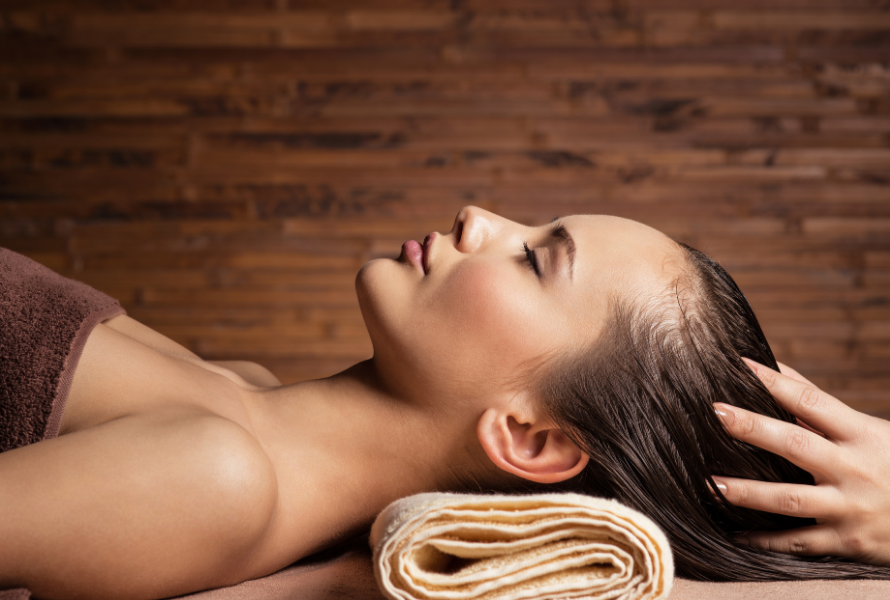
Whether you are strolling along the sands of Waikīkī or unwinding after a busy week in Honolulu, booking a massage is one of the most rewarding ways to refresh your body and mind. A skilled session can ease tight muscles, soften joint tension, and help you relax.
Still, getting the most from a massage takes more than showing up and closing your eyes. Massage is hands-on bodywork that affects your muscles and circulation, so a few massage safety tips help keep your visit comfortable and safe from start to finish. At Shiatsu & Massage Center in Waikīkī, we believe the best care starts with trust, open communication, and careful preparation.
Here is what to know about preparing for your session, when to postpone, how to talk with your therapist, and how to look after yourself afterward.
✓ Share your health conditions and medications before you start.
✓ Postpone if you have a fever, contagious illness, open wounds, or severe sunburn.
✓ Speak up about pressure and any pain, tingling, or numbness during the session.
✓ Stronger pressure is not always better.
✓ Get medical help for severe or worsening symptoms afterward.
Is Massage Therapy Safe for Everyone?
Every body responds differently. A healthy athlete may enjoy firm pressure, while an older adult with fragile bones needs a much gentler approach. Some medical conditions call for lighter pressure or a doctor’s okay first, and in some situations massage should wait. Professional therapists adjust to your health profile instead of following a rigid routine.
What to Do Before a Massage
Good preparation sets the stage for a calm, safe treatment:
Prepare your body too. Eat a light meal an hour or two before so you are not lying face down on a full stomach, skip alcohol, drink water as you normally would, and arrive a few minutes early to settle in. A calm, unhurried arrival makes a noticeable difference, especially if you are visiting for a relaxing massage Honolulu.
When Should You Avoid or Postpone a Massage?
Massage therapists are trained to recognize contraindications, which are conditions or symptoms where massage could cause harm or make things worse. Postpone or check with your doctor first in these situations:
| Situation | What to do |
|---|---|
| Fever or contagious illness | Stay home and reschedule until you feel well and are fever-free. This also protects other guests and therapists. |
| Suspected blood clot (DVT) | Do not get a massage. Unexplained swelling, redness, warmth, or deep calf pain needs prompt medical attention, since pressure on a clot is a concern. |
| Acute injury or open wound | Avoid direct work on sprains, tears, burns, unhealed surgical scars, or open abrasions until they have healed or your doctor approves. |
| Severe sunburn | Wait until your skin has healed. Massaging blistered or peeling skin can irritate it and slow healing. |
| Heart or circulation conditions | Ask your doctor first, especially with uncontrolled high blood pressure, recent heart surgery, or advanced heart disease. |
| Pregnancy | Choose a therapist trained in prenatal massage, who uses safe positioning and techniques. |
Sunburn is common in Hawaii, so it comes up often. Read more about whether you can get a massage with a sunburn before you book. If you are pregnant, read our guide to pregnancy massage, and ask us about prenatal options when you book.
How to Communicate With Your Massage Therapist
Clear, real-time communication is your best safeguard on the table. Never stay silent if something feels wrong. Speak up about:
- ✓Pressure: It should never make you hold your breath or clench your jaw. Good pressure feels relieving, not sharp. Using a 1 to 10 scale helps your therapist find the right level.
- ✓Sudden pain or nerve sensations: Tell your therapist right away about burning, tingling, numbness, or shooting pain. These can mean pressure on a nerve or a sensitive tendon.
- ✓Allergies and scents: Mention allergies to nut oils, latex, or essential oils before the session starts.
- ✓Comfort: Ask for adjustments to the face cradle, table warmer, or bolsters any time you feel strained.
Are Deep Tissue and Shiatsu Massage Safe?
Many people believe deeper pressure means faster results. It does not. Too much force can make muscles guard and tense up, and it can leave you sorer afterward. Both styles are safe when customized by a trained therapist:
In both, pressure should always be tailored to your tolerance and how your body responds.
What to Do After a Massage
After long travel, gentle movement, water, and rest can ease stiffness and help you feel more like yourself.
What Side Effects Can Occur After a Massage?
Mild, temporary reactions within 24 to 48 hours are common after deeper bodywork. You may notice tenderness similar to a light workout, some tiredness, or extra thirst. If you are wondering whether it is normal to ache after a massage, the answer is usually yes for mild soreness. But some symptoms need attention:
| Usually normal | Get medical help |
|---|---|
| Mild muscle tenderness | Sharp, persistent, or shooting pain |
| Light tiredness or sleepiness | Numbness or tingling that does not go away |
| Extra thirst | Extensive or dark bruising |
| Soreness that fades within a day or two | Severe headache or persistent dizziness |
| Feeling relaxed and loose | Calf pain with swelling, redness, or warmth |
Massage Safety FAQs
1. Is massage therapy safe for everyone?
For most people, yes, but it should be adapted to your health. If you have heart disease, a circulatory disorder, or another chronic condition, check with your doctor and ask for modified pressure.
2. When should you avoid getting a massage?
Postpone it if you have a fever, a contagious illness, an unhealed wound, severe sunburn, or a suspected blood clot.
3. Is it normal to feel sore after a massage?
Yes. Mild tenderness and slight tiredness can last up to about 48 hours after focused bodywork. Severe pain or dark bruising is not normal.
4. Can you get a massage when you are sick?
It is best to wait. Rest until you feel well and are fever-free. This is better for your recovery and protects others.
5. Should you shower after a massage?
You can. A lukewarm shower is fine to rinse off oil, but avoid very hot water, steam rooms, or saunas right after your session.
6. Is deep tissue massage safe?
Yes, when a licensed therapist warms the tissue first and stays within your comfort range. Stronger pressure is not always better.
7. What symptoms after a massage require medical attention?
Seek care for sharp or shooting pain, sudden numbness, extreme bruising, persistent dizziness, shortness of breath, or calf pain with swelling, redness, or warmth.
Ready to book? Our licensed therapists at International Market Place in Waikīkī will tailor every session to your health, comfort, and goals. You can also read about our head and scalp massage or browse all of our massage services.
Book A Safe, Comfortable Massage
Tell us about your health and pressure preferences, and our therapists will customize your session.