Pregnancy brings huge shifts to a woman’s body, mind, and daily routine. Every pregnancy is entirely unique, meaning two people will rarely experience the exact same symptoms at the same time.
One person might feel sudden fatigue and morning sickness, while another might feel energized but struggle with achy joints. Because your body transforms week after week, your care routine needs to adapt along with it. Bodywork is not a one-size-fits-all solution during this journey.
As your posture shifts, ligaments loosen, and blood volume expands, massage needs change as the body changes. Understanding how to approach prenatal bodywork stage by stage ensures you stay comfortable, supported, and relaxed.
First Trimester Massage
The first twelve weeks are a period of rapid internal transformation. While your baby bump might not be visible yet, your hormone levels are surging, which can bring sudden fatigue, nausea, and emotional swings. Understanding how bodywork fits into this early window is essential for your peace of mind.
-
Addressing Early Concerns: Many people wonder if a first trimester massage is safe. The main hesitation stems from the fact that the risk of early miscarriage is naturally highest during these first twelve weeks. Because of this, some spas set a policy to avoid treating clients until week thirteen. However, gentle touch does not cause harm when handled by a trained specialist.
-
Focusing on Gentle Comfort: A prenatal massage first trimester session focuses primarily on relaxation rather than deep structural work. Gentle strokes on the neck, shoulders, scalp, and feet can help reduce stress hormones, soothe morning headaches, and ease early anxiety.
-
The No-Oil Advantage: Furthermore, because Shiatsu is traditionally performed through loose clothing or a soft towel without the use of lotions, it is ideal for expecting mothers experiencing morning sickness or a heightened sensitivity to smells.
-
Avoiding Trigger Points: Certified therapists know to steer clear of aggressive pressure points around the ankles and wrists that are traditionally associated with uterine stimulation.
-
Light Pressure Only: Deep tissue work on the lower back and abdomen is avoided during this phase. Light, calming touch is the goal to keep your nervous system balanced.
-
Professional Consultation First: Always check in with your obstetrician or midwife before booking your first session. Once you have the green light, choose a licensed prenatal specialist who understands the physiological nuances of early pregnancy.
For a broader look at overall wellness, exploring the core pregnancy massage benefits can help you see how therapeutic touch supports you throughout all nine months.
Second Trimester Massage
Weeks 13 through 27 are often called the golden period of pregnancy. Morning sickness usually fades, energy levels rebound, and the belly begins to grow steadily. With that physical growth, new physical challenges start to show up.
-
Managing Increased Body Changes: As your belly expands forward, your center of gravity shifts. This change puts extra work on your lower back, hips, and pelvic muscles. Because of this, booking a prenatal massage second trimester session is an ideal way to restore balance.
-
Relieving Targeted Muscle Tension: The hormone relaxin begins loosening your ligaments to prepare your pelvis for birth. As a result, surrounding muscles must work twice as hard to stabilize your joints. Targeted, medium-pressure compressions help relieve tightness in the glutes, upper back, and hip flexors.
-
Safe Side-Lying Positioning: After week 16, lying flat on your back can compress the vena cava, a major blood vessel that returns blood to your heart. Skilled therapists will position you safely on your side using soft pillows and bolsters to support your belly, knees, and neck.
-
Deep Relaxation Support: Improved sleep is one of the greatest perks of bodywork during this stage. By calming muscle spasms and easing tension headaches, regular sessions help you get deeper, more restorative rest.
-
Gentle Circulation Boost: Gentle, rhythmic palm compressions and targeted finger pressure encourage healthy circulation, preventing minor fluid buildup before it turns into heavy swelling.
To understand how positioning and certified techniques keep you protected, read more about getting a safe massage during pregnancy.
Third Trimester Massage
The final stretch from week 28 through delivery puts the most mechanical stress on your frame. Your baby is gaining weight quickly, placing added pressure on your organs, joints, and spine.
-
Relieving Severe Back Discomfort: Carrying extra weight out front often leads to an exaggerated curve in the lower spine, leading to sciatica, aching hips, and upper back strain. A third trimester massage provides direct relief to overworked muscles without putting stress on your joints.
-
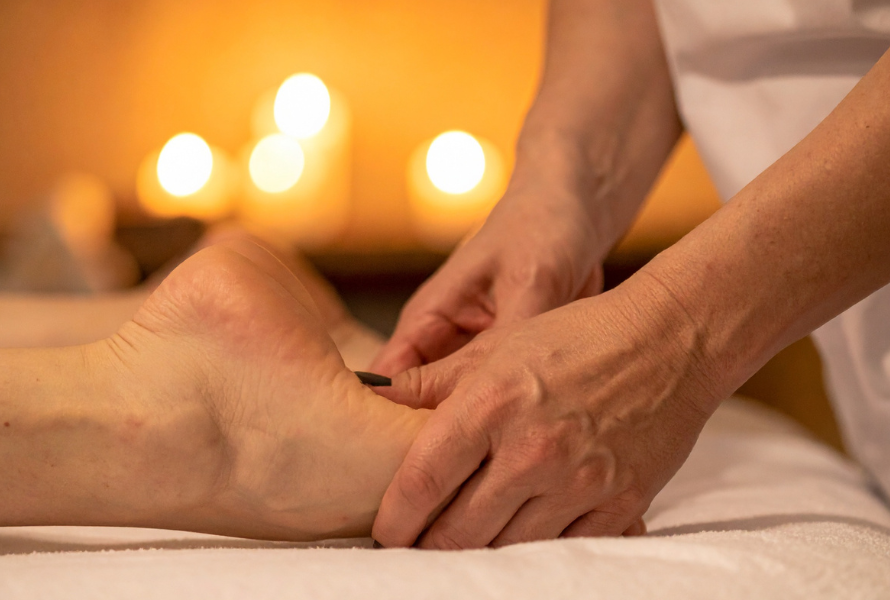
Reducing Swelling and Fluid Retention: Swollen feet, ankles, and hands are very common in the final months due to increased blood volume and pelvic pressure. Gentle, specialized Shiatsu compressions on the legs and feet encourage excess fluid to move safely, reducing heaviness and puffiness without the use of heavy massage oils.
-
Easing Sciatic Nerve Pain: When tight gluteal muscles press against the sciatic nerve, sharp pain can radiate down the leg. A prenatal massage third trimester treatment gently releases the piriformis muscle to alleviate this sharp sensation.
-
Breath and Nervous System Support: As the growing uterus pushes upward against the diaphragm, taking full, deep breaths can feel difficult. Massage opens up the ribcage, chest, and shoulders, making breathing feel easier and less restricted.
-
Preparing for Delivery: Calming the nervous system lowers cortisol levels and boosts oxytocin, the hormone that promotes calm and connection. Learning to fully relax your pelvic floor and body under a therapist’s care prepares your mind and muscles for the physical demands of labor.
How Often Should You Get Prenatal Massage?
Determining the ideal prenatal massage frequency and the best time for pregnancy massage depends entirely on how your body feels and responds as your due date approaches.
-
Base It on Individual Needs: If you are dealing with sharp sciatic pain or intense physical strain, you may benefit from more frequent visits. If your primary goal is stress relief, spacing sessions out further works perfectly.
-
Follow Your Comfort Level: Listen to your body after each session. If you feel relaxed and energized for two full weeks, a bi-weekly schedule is a great fit. If muscle tension returns quickly, shorter and more frequent appointments can help maintain your comfort.
-
First Trimester Frequency: During the first twelve weeks, one gentle session per month or waiting entirely until the second trimester is a standard approach.
-
Second Trimester Cadence: Booking a session every two to three weeks is generally ideal during weeks 13 to 27 to keep pace with your changing posture and growing belly.
-
Third Trimester Schedule: From week 28 to week 36, scheduling a massage every two weeks helps manage fluid retention and back pain. From week 36 until birth, many parents find that weekly sessions provide immense relief and mental calm.
-
Follow Therapist Recommendations: Always work with a certified prenatal massage practitioner. They will track your physical changes, adapt your positioning, and recommend a personalized care plan tailored to your health profile.
Frequently Asked Questions
1. What trimester is best for pregnancy massage?
The second trimester is widely considered the best time for pregnancy massage. Morning sickness has typically passed, energy levels are higher, and physical aches are just beginning to appear, making it the most comfortable and rewarding window to begin regular bodywork.
2. Can you get a massage in the first trimester?
Yes, you can receive light, soothing touch in the first trimester if your healthcare provider approves and you visit a certified prenatal therapist. However, many parents and spas choose to wait until the start of the second trimester for added peace of mind.
3. How often should pregnant women get massages?
Most pregnant women benefit from getting a massage once a month during the second trimester, moving to every two weeks in the early third trimester, and switching to weekly sessions during the final month before labor. Always adjust this frequency based on your personal comfort and doctor guidance.
Book Your Trimester-Specific Massage in Honolulu
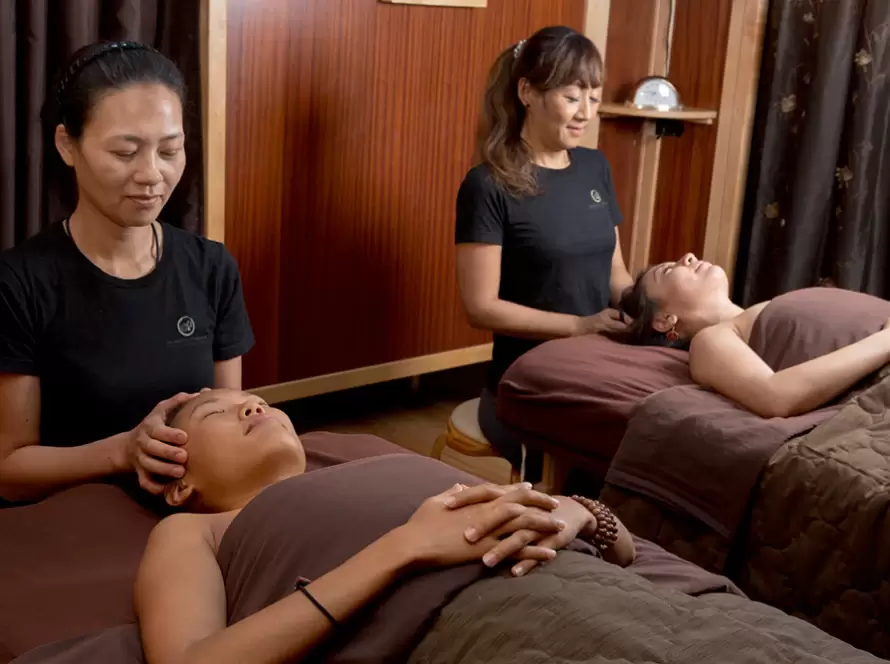
Whether you are a local resident managing daily aches or a visitor enjoying a relaxing babymoon in Waikīkī, finding a therapist who understands your specific trimester is essential. At Shiatsu Massage Center, our certified therapists customize every session to your current stage of pregnancy. All of our therapeutic treatments can be configured as a Prenatal Massage at no additional charge. Traveling with your partner? You can request to have your trimester-tailored session side-by-side in our Couples Room (if reserved) while they enjoy a deep tissue or sports massage.